









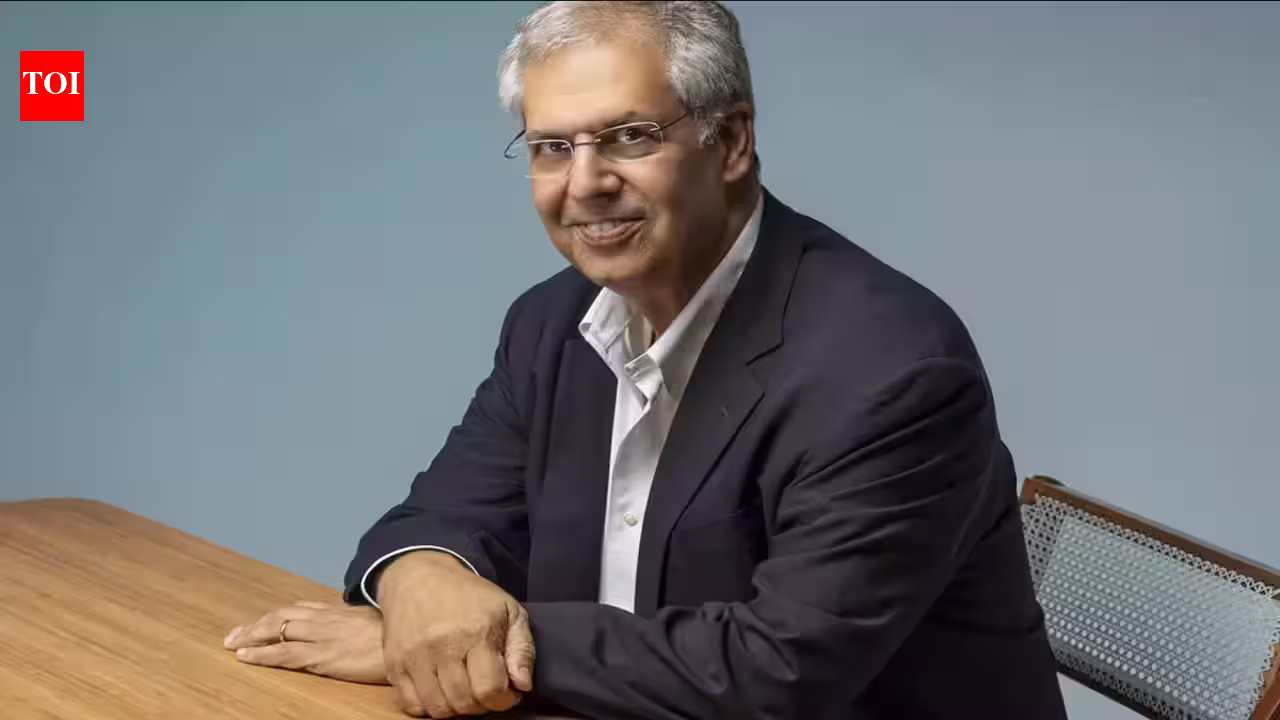
The Significance of Governance in India’s Largest Philanthropic Entities
The recent legal maneuvers involving the Sir Dorabji Tata Trust (SDTT) underscore a critical transition period within one of India’s most influential business conglomerates. As the Tata Group navigates the post-Ratan Tata era, the focus has shifted toward the structural integrity and governance frameworks of its parent entities—the Tata Trusts. The filing of caveats by Noel Tata and his son, Neville Tata, in the Bombay High Court and the city civil court reflects a precautionary stance in the face of internal friction. In the Indian corporate landscape, where trusts hold controlling interests in massive business houses, the mechanics of succession and board accountability are not merely private affairs; they are matters of significant public and economic interest.
The Tata Trusts, which hold a majority stake in Tata Sons, operate at the intersection of philanthropy and corporate control. Unlike standard corporate boards, the governance of these trusts is governed by the Indian Trusts Act and overseen by the Charity Commissioner. When disputes arise regarding appointments or the dual roles of trustees in related business entities, the regulatory spotlight intensifies. The current developments emphasize that even in institutions built on long-standing legacies, modern corporate governance standards require clear boundaries between administrative roles, oversight responsibilities, and decision-making authority.
Understanding the Role of Legal Caveats in Corporate Disputes
In the Indian legal context, a caveat is a formal notice filed by a party who anticipates that another individual or entity may initiate legal proceedings against them. By filing a caveat in the Bombay High Court and the city civil court, Noel and Neville Tata are effectively ensuring that the judiciary cannot pass an ex-parte order—a decision made without hearing all sides—on any matter arising from the complaints lodged by fellow trustees Venu Srinivasan and Vijay Singh. This is a standard, yet strategic, defensive mechanism in Indian litigation.
The dispute stems from complaints filed before the Maharashtra Charity Commissioner, which challenge the governance norms within the SDTT. These complaints reportedly target the appointments of trustees and the participation of Noel Tata at the Tata Sons level, raising questions about conflicts of interest and the separation of duties. For observers of Indian corporate law, this sequence of events serves as a masterclass in risk mitigation. By preemptively notifying the courts, the involved parties are attempting to maintain a procedural balance, ensuring that any regulatory scrutiny or legal challenges are handled with transparency and judicial oversight rather than unilateral action.
Governance Challenges and the Interplay of Tata Trusts and Tata Sons
The central tension within the current SDTT discourse lies in the complex relationship between the Tata Trusts and Tata Sons. Because the Trusts are the primary shareholders of the holding company, the composition of their boards is directly linked to the stability of the entire conglomerate. Any disruption at the Trust level has the potential to influence the strategic direction of major entities such as Tata Steel, Tata Motors, and TCS.
In India, the “trust-owned” model of corporate control is unique among major multinational groups. While it provides the group with a sense of purpose and shields it from short-term market pressures, it also concentrates a high degree of power within a small group of trustees. When senior trustees such as Venu Srinivasan and Vijay Singh raise concerns about the governance of their peers, it highlights the inherent difficulties in maintaining checks and balances within non-profit entities that wield immense corporate influence. The dispute serves as a catalyst for a broader debate on whether the existing legal frameworks for public charitable trusts are sufficient to manage the governance demands of entities that act as de facto holding companies for global enterprises.
The Regulatory Landscape for Indian Charitable Trusts
The oversight role of the Maharashtra Charity Commissioner is pivotal in this case. In India, charitable trusts are subject to stringent regulations aimed at protecting the assets of the trust and ensuring that its activities align with its charter. The Commissioner has the authority to intervene if there are allegations of mismanagement or if the activities of the trust deviate from its core charitable mandate. The recent extension granted to the trustees to respond to the complaints until October 19 reflects the complexity of the issues at hand, as the regulatory body seeks to understand the nuanced relationship between trustee roles and their broader institutional obligations.
This scenario highlights the necessity for rigorous compliance and documentation within large Indian trusts. As these entities grow in complexity, the traditional reliance on mutual trust and historical conventions is being replaced by a requirement for forensic transparency. The involvement of legal professionals in these governance disputes is becoming increasingly common, reflecting a broader trend where stakeholders are utilizing the legal system to enforce accountability. For the Tata Trusts, this process is an exercise in recalibrating their governance structure to ensure it is robust enough to withstand both internal disagreements and external regulatory scrutiny.
Strategic Implications for the Tata Group’s Future
The ultimate resolution of the dispute at the SDTT will set a significant precedent for the future of the Tata Group. As the group moves forward, the stability of the Trusts is paramount. Any public perception of internal conflict or governance fragility can affect the morale of the group’s workforce and, potentially, its market reputation. However, it is also important to note that such disputes are often the byproduct of a rigorous transition process. As new leadership takes the helm, existing governance mechanisms are tested against modern standards of transparency.
For the Indian corporate sector at large, the lesson is clear: succession planning and governance structures must be meticulously aligned with both current regulatory requirements and future organizational needs. The actions taken by the trustees—both the complainants and the respondents—are indicative of an organization that is navigating the tension between its institutional legacy and the requirements of modern corporate law. Whether these disputes lead to fundamental changes in the trust deeds or the establishment of new oversight committees, they represent a critical phase in the evolution of India’s most significant business organization. As the Charity Commissioner reviews the submissions, the focus will remain on ensuring that the philanthropic objectives of the trust remain prioritized, regardless of the individuals currently holding the reins of power.
Disclaimer: This content is auto-generated for informational purposes only.
Source: Read Original News