









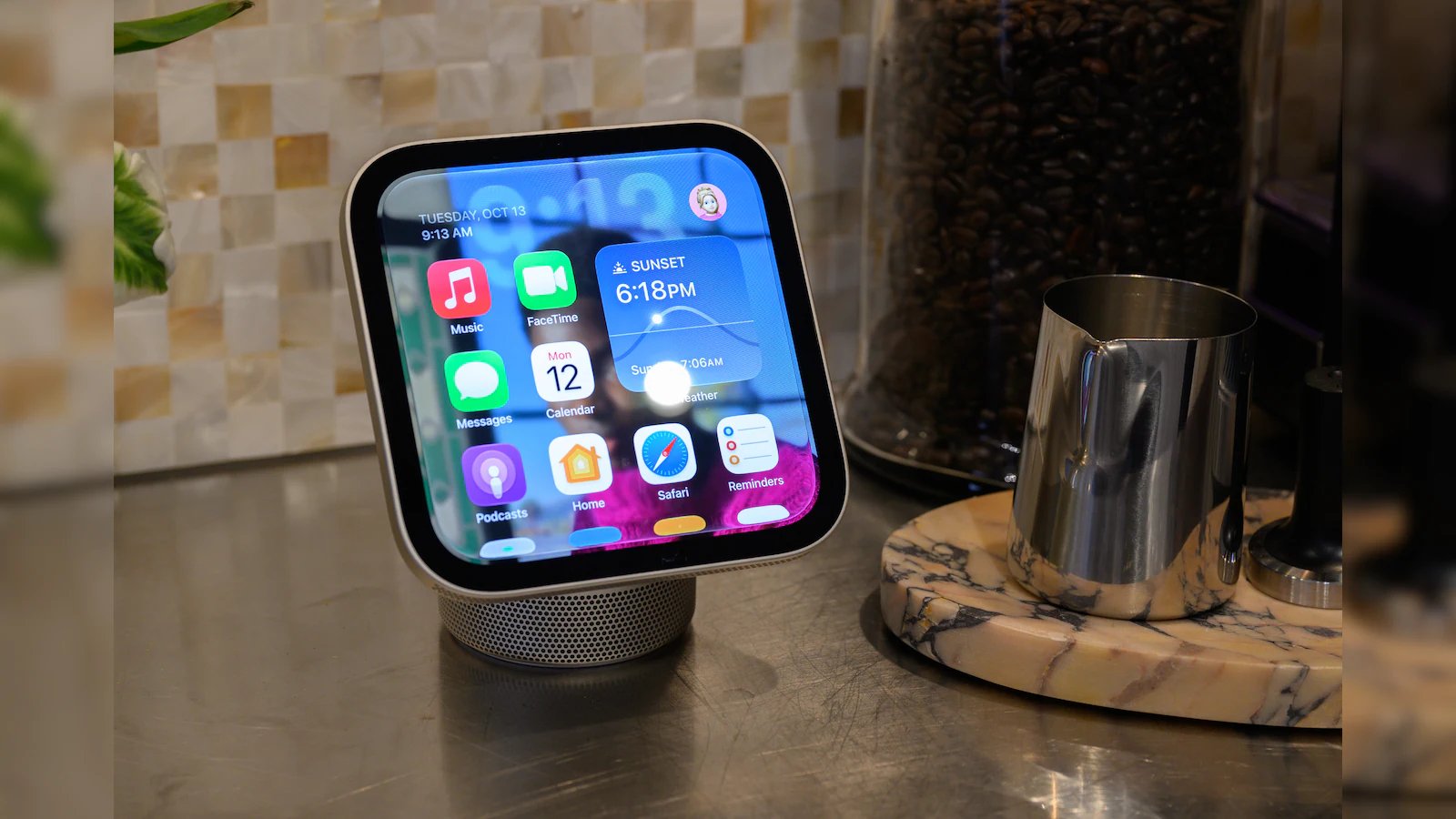
Apple is making a strategic pivot to the “boring” side of artificial intelligence. With the announcement of the HomeView, a $299 smart home device launching this November, the Cupertino tech giant is deliberately rejecting the trend of elaborate, robotic home hardware in favor of a minimalist, ecosystem-focused approach.
While competitors have spent the last decade experimenting with complex smart screens, mobile bases, and feature-bloated interfaces, Apple’s latest offering is strikingly simple: a 7-inch square display designed to sit on a desk or mount to a wall. In an era where AI is often synonymous with aggressive, complex, and sometimes confusing new software, Apple’s decision to emphasize simplicity is its most radical move yet.
## The Strategy of Subtle Integration
The core philosophy behind the HomeView is that it should act less like a standalone computer and more like an extension of the iPhone already in your pocket. Apple has learned from the lackluster performance of the original HomePod, which struggled to gain market share against entrenched rivals from Google and Amazon. Rather than trying to reinvent the wheel, the HomeView utilizes familiar interfaces—similar to those found in Apple CarPlay or on the Apple Watch—to provide a seamless experience.
Because the device relies on a nearby iPhone for context and app data, it avoids the common pitfalls of smart displays. It doesn’t need a massive library of native, third-party apps to be useful; instead, it “borrows” the utility of your phone. When the HomeView’s camera and voice recognition identify a specific family member, it pulls up their personalized home screen, calendar, and app preferences. This level of personalization is a major differentiator in the crowded smart home market, where many devices are still treated as “family” portals rather than individual assistants.
## Reframing the AI Conversation
The technology landscape is currently dominated by high-stakes AI battles. Companies are rushing to integrate complex chatbots and jargon-heavy LLMs into everything from search engines to household appliances. Apple is taking a different path. By keeping the heavy lifting tethered to the iPhone—where sensitive data isn’t stored directly on the wall-mounted unit—the company is leaning heavily into its reputation for privacy and security.
This restraint is a gamble. Critics point to the $299 price tag as a steep barrier when compared to the aggressively priced hardware from Google and Amazon. However, Apple’s track record in the smartphone industry suggests that consumers are often willing to pay a premium for hardware that functions reliably and integrates perfectly with their existing digital life. By not attempting to turn the HomeView into a revolutionary, futuristic “AI robot,” Apple is attempting to solve the biggest problem currently plaguing smart devices: that most people never move past using them for simple tasks like setting timers or playing music.
## A Second Chance at Dominance
The HomeView represents Apple’s second major attempt to capture the home, and the stakes have shifted significantly since its initial forays in 2018. Back then, voice assistants were primitive, and market share was a secondary concern. Today, “winning the home” is synonymous with controlling the primary interface for consumer artificial intelligence.
By upgrading Siri and focusing on the deep, ecosystem-based integration that has kept users locked into the iPhone for years, Apple is betting that consumers don’t want more “noise” in their homes. They want an elegant, personalized experience that respects their privacy and simplifies their daily routines. Whether this understated approach will be enough to finally dislodge Google and Amazon remains to be seen, but one thing is clear: Apple is comfortable being the quietest player in the room. By making “boring” its primary strategy, the company is betting that reliability will eventually win out over complexity.
Disclaimer: This content is auto-generated for informational purposes only.
Source: Read Original News