








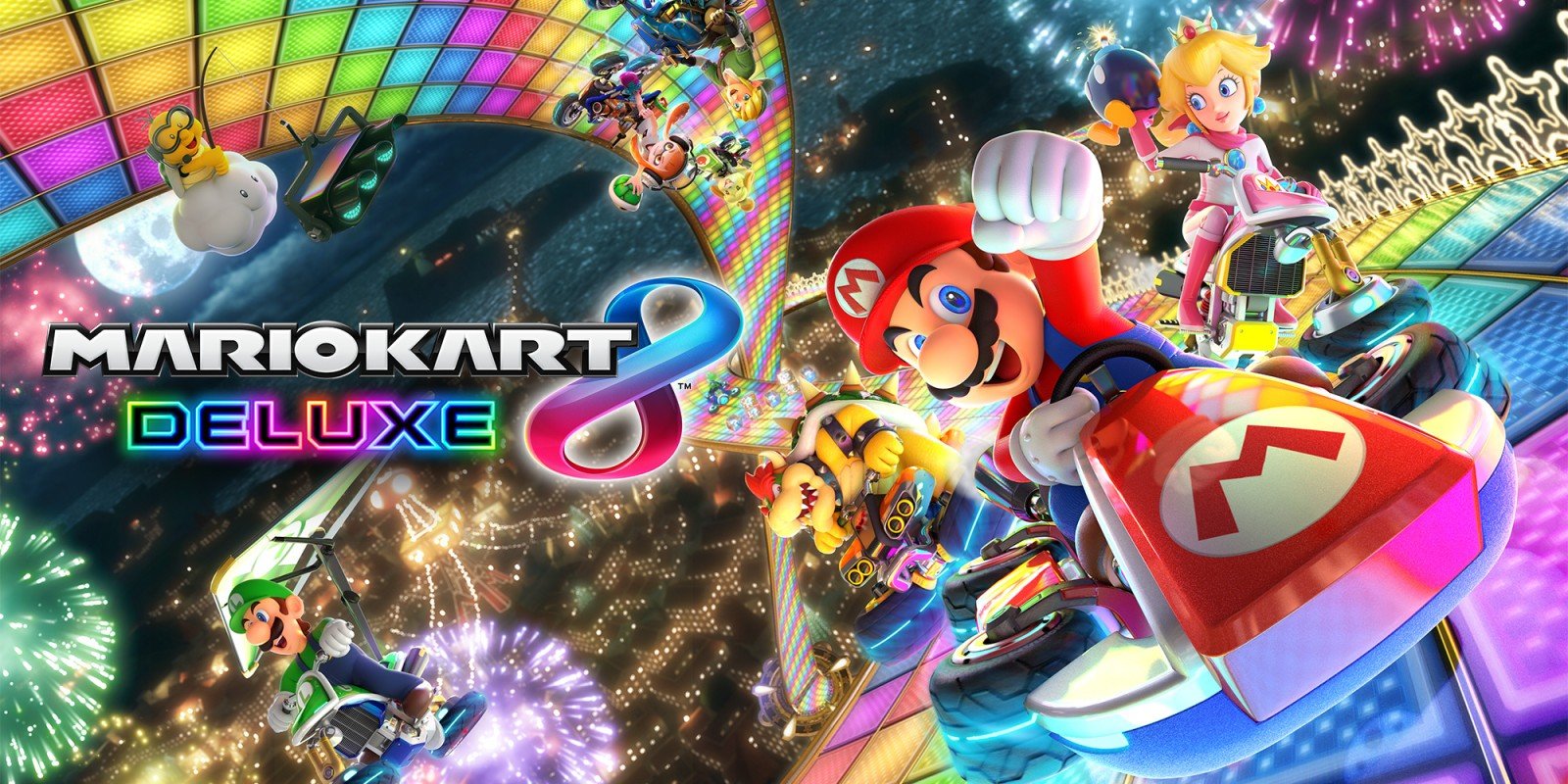
Refining the Multiplayer Experience: The Technical Scope of Version 4.0.1
Nintendo has deployed a significant update for Mario Kart 8 Deluxe, moving the software to version 4.0.1. While software patches for this title often focus on routine maintenance or minor adjustments to the Booster Course Pass content, this specific release targets critical infrastructure and synchronization issues that have emerged following the transition between hardware generations. As players begin to migrate across the Nintendo Switch ecosystem, the necessity for parity in competitive gameplay has become a primary focus for the development team.
This update is not merely a collection of cosmetic tweaks; it represents a technical intervention designed to harmonize the experience between the original Nintendo Switch hardware and the newer, more powerful Switch 2 console. By standardizing the behavior of game assets, such as environmental obstacles and item availability, Nintendo is ensuring that the competitive integrity of the online ecosystem remains intact regardless of the specific hardware version being utilized by the participant.
Addressing Cross-Generation Synchronization Inconsistencies
The most notable aspect of the version 4.0.1 update is the remediation of a discrepancy in obstacle and item density during multiplayer matches. Previously, users operating the game on the newer Switch 2 hardware reported an anomalous increase in the number of Item Boxes and track obstacles. From a game engine perspective, this suggests a conflict in how the game handles asset instantiation and spawn rates when reconciling data between different processing architectures.
When two consoles with varying computational capacities communicate in an online environment, the game must maintain a synchronized state for all participants. If one console inadvertently renders more objects than the other, it creates a desynchronization event. By fixing this issue, Nintendo has essentially leveled the playing field, ensuring that the distribution of power-ups and track hazards is identical for every player, regardless of their console generation. This change prevents one demographic of users from gaining a mathematical advantage through an unintended surplus of items.
Fixing User Selection and System Integration Bugs
Beyond hardware synchronization, the update addresses a functional obstacle regarding local multiplayer. Players had reported difficulties in selecting secondary users who were already registered on the system when attempting to initiate two-player Online or Wireless sessions. In modern console architecture, user authentication and profile management are handled through a strictly defined identity layer. If the software fails to correctly reference the system-level user registry, the secondary player remains inaccessible, effectively locking users out of shared local multiplayer modes.
This patch streamlines the identification process, ensuring that the game correctly polls the console’s user database. This resolution is vital for maintaining the “pick-up-and-play” accessibility that defines the Mario Kart brand. By improving the reliability of the profile-linking mechanism, the update removes a technical barrier that hindered players from engaging in multiplayer sessions with registered friends or family members on a single console.
Resolving Visual and Stability Anomalies
Technical updates for high-performance software must also account for graphical rendering errors and stability. The update specifically corrects a visual bug on the Wii Rainbow Road track, where certain Star Bit particles failed to manifest correctly on the Switch 2 hardware. Visual assets, particularly those involving high-frequency particle effects, are often subject to hardware-specific shader issues. The fact that these effects were rendering correctly on the legacy hardware but not on the newer iteration indicates a breakdown in cross-compatibility for graphical instructions within the game engine.
Furthermore, the update includes a crucial fix for a “crash-to-desktop” issue, where the software would unexpectedly close under specific, albeit rare, conditions. Unexpected application closure is typically caused by a memory leak or a null pointer exception within the code. By identifying the triggers for these occurrences and neutralizing them, the development team has increased the overall reliability of the software. For a title that relies heavily on consistent frame times and persistent online connectivity, these stability fixes are essential for preventing disruption during high-stakes competitive races.
The Broader Impact of Cross-Platform Patching
The release of version 4.0.1 serves as a case study in the challenges of maintaining a singular software title across multiple hardware iterations. As gaming hardware evolves, developers are frequently tasked with writing code that behaves consistently on both legacy chipsets and updated silicon. The discrepancies noted in the items and obstacles highlight the fragility of cross-generation synchronization, where even minor differences in clock speed or rendering pipelines can lead to vastly different game states.
By addressing these issues proactively, Nintendo is signaling a commitment to the longevity of Mario Kart 8 Deluxe as a foundational competitive platform. As the player base continues to expand across different console models, the ability to rapidly iterate and deploy patches that maintain parity will remain a cornerstone of the user experience. For the average player, these updates may seem minor, but the cumulative effect of these technical refinements is a tighter, more predictable, and more equitable racing environment. This update confirms that while the hardware continues to advance, the priority remains the stability of the core gameplay loop that millions of players engage with daily.
Disclaimer: This content is auto-generated for informational purposes only.
Source: Read Original News