







India Eyes Diversification Amidst US Tariff Threats: A $200 Billion Opportunity
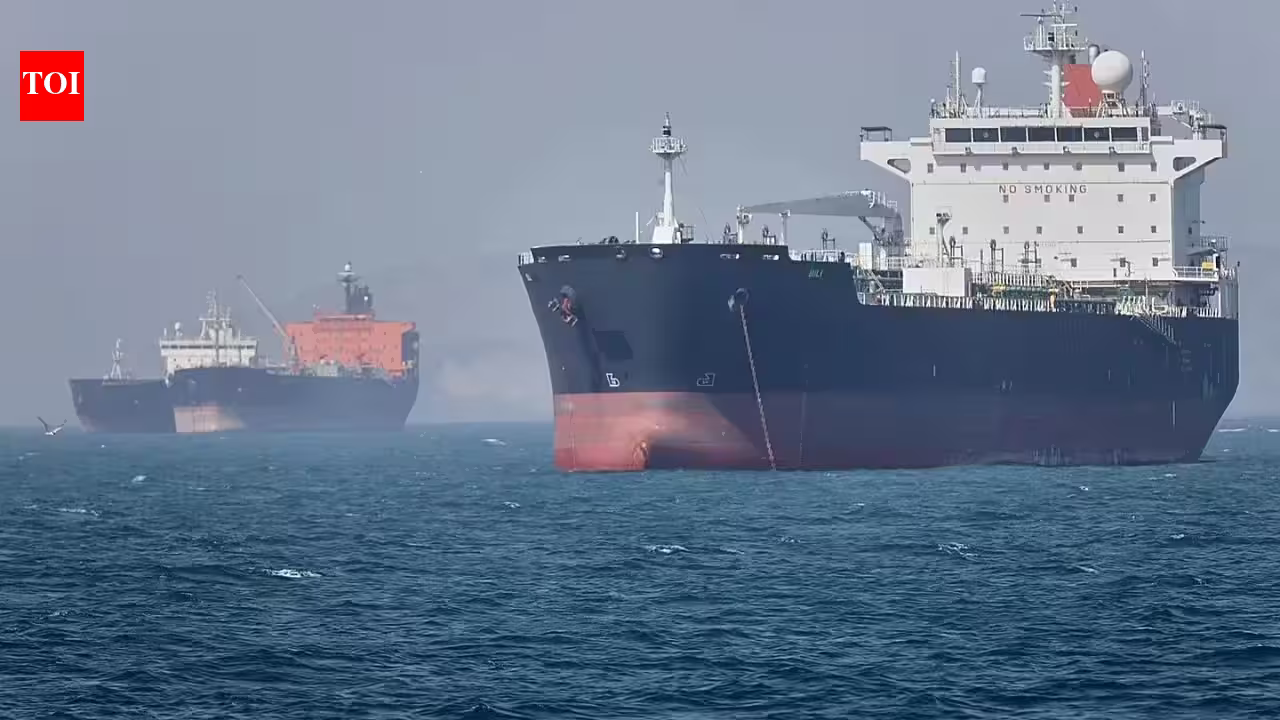
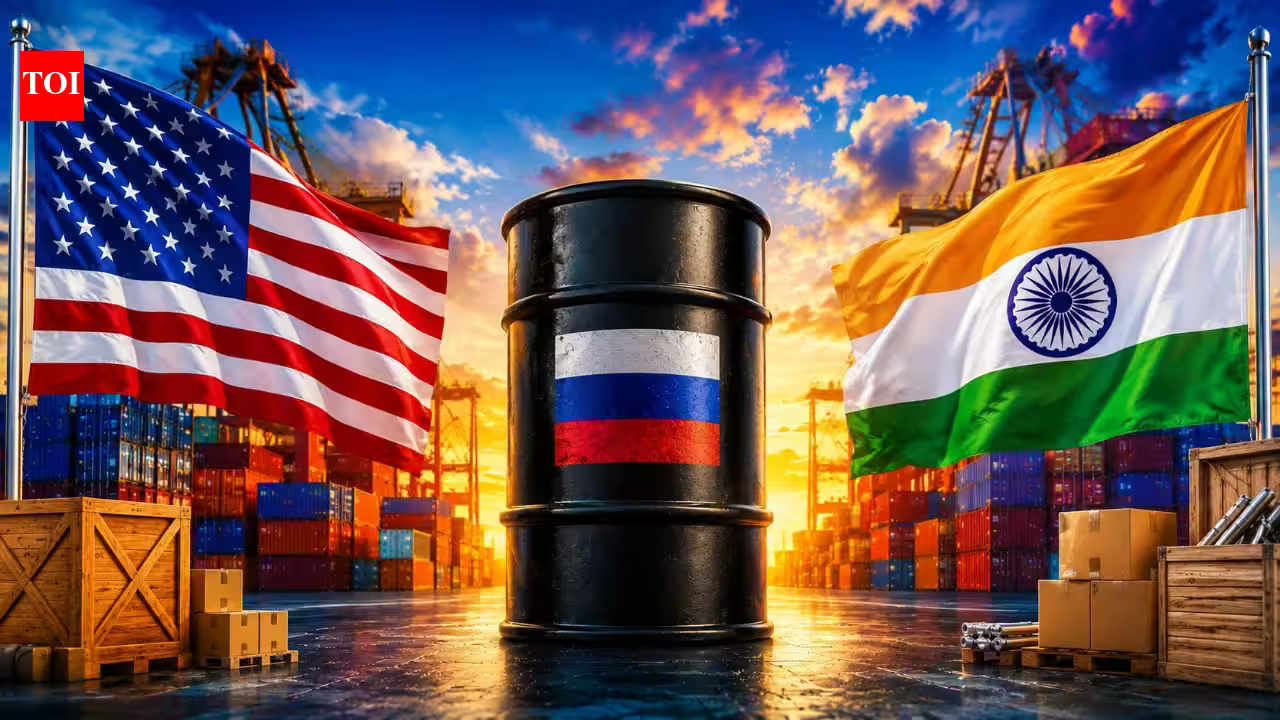
New Delhi, [Date of Publication] – Concerns are mounting within India’s export sector following reports that the United States is contemplating the imposition of a stringent 100% tariff on nations purchasing Russian crude oil. This potential move, reportedly greenlit by the Trump administration, has cast a shadow of uncertainty over India’s substantial export relationship with the US.
However, economist SP Sharma offers a reassuring perspective, highlighting that Indian exporters possess a robust safety net: approximately 15 alternative international markets. These markets, he suggests, collectively present a staggering $200 billion opportunity for the very products currently destined for the US.
Speaking to ANI, Sharma emphasized India’s significant scope for export diversification, asserting that the nation is not overly reliant on the US market, despite the established strong bilateral trade and economic ties. “We have another 15 markets where we can export our same products which we are exporting to the US,” Sharma stated. “If the exports to the US are around 87-88 billion dollars in merchandise exports, then we have a large market of 200 billion dollars in another 15 countries in the same products.”
Among the key alternative markets identified by Sharma are economic powerhouses such as the Netherlands, France, the UK, various Latin American nations, Saudi Arabia, the UAE, and neighboring Nepal. This geographical spread underscores a strategic approach to mitigating potential trade disruptions with any single partner.
Major Market But Not the Only One
Sharma provided data indicating the resilience of India’s export sector to the US. Merchandise exports to the US saw a slight increase, reaching $87.3 billion in 2025-26 from $86.5 billion in 2024-25. This growth occurred despite prevailing tariff-related uncertainties and broader global economic headwinds.
He attributed this continued expansion to strong demand for Indian products in the US and the inherent competitiveness of India’s labor-intensive goods. “Despite these headwinds, our exporters were able to show resilience, were able to make increase in their export trajectory because there is a lot of demand in the US for Indian products, we are competitive and we are providing the labor-intensive products to the US,” he explained.
Interestingly, Sharma noted that the US isn’t necessarily the fastest-growing destination for Indian exports. Shipments to other markets are expanding at a more rapid pace. “If we are growing with US at 10-15 per cent, then our growth rate in exports with other markets is between 20-25 per cent. So I believe we have alternatives and we are not that much dependent on the US economy,” Sharma elaborated, highlighting the natural diversification already underway.
Higher Tariffs Could Hurt US Consumers Too
While advocating for diversification, Sharma also underscored the enduring strength of economic ties between India and the US, noting that both nations are actively engaged in negotiations for a bilateral trade agreement. He passionately argued that the implementation of tariffs as high as 100% would be detrimental to both economies.
Such punitive duties on Indian products, he contended, would inevitably lead to increased prices for American consumers. India, he reminded, is a recognized competitive and low-cost supplier across various sectors. “Trade is always for the welfare, trade is not for the tussles,” Sharma asserted, advocating for a collaborative approach over confrontation.
He further warned, “Such kind of announcements are not in favor of US economy too because they will face the inflation.” Sharma concluded by emphasizing that sustained trade engagement between India and the US would yield far greater mutual benefits than erecting additional tariff barriers.