








India Surpasses 300 GW Non-Fossil Fuel Power Capacity, Nearing 2030 Target
A major stride towards clean energy goals, with solar leading the charge.
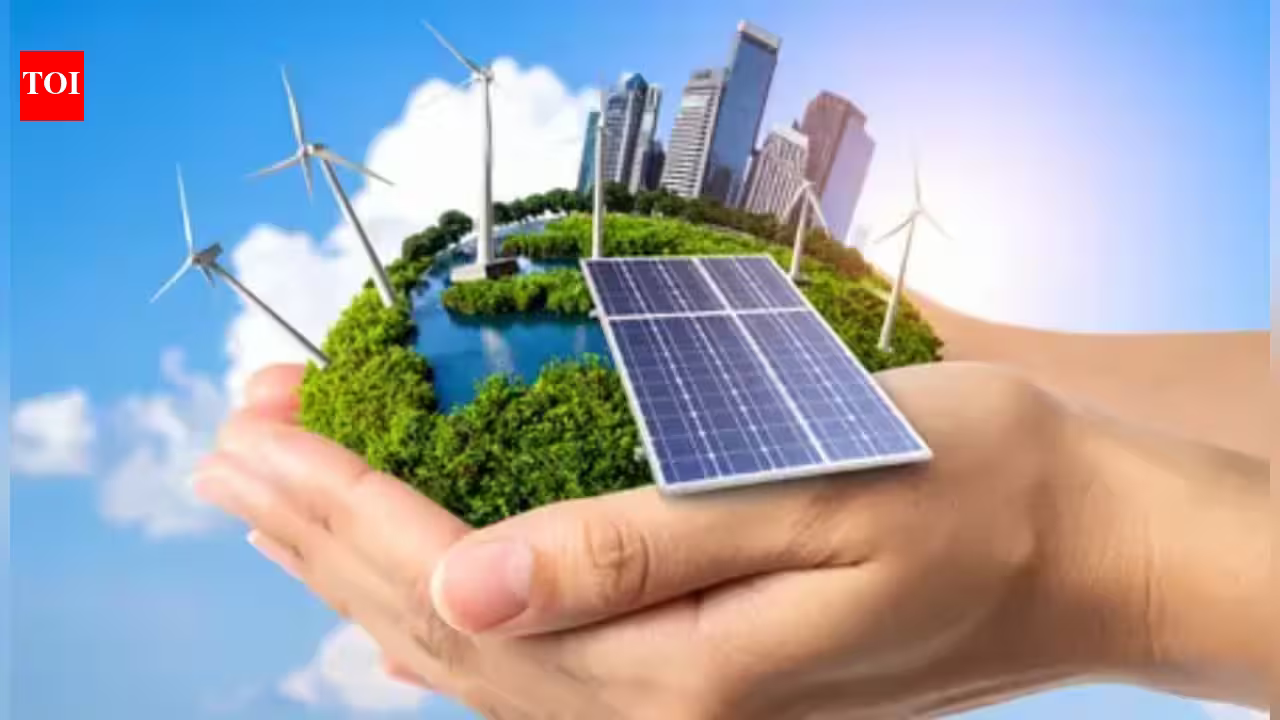
India crossed 300 GW of non-fossil fuel-based installed power generation capacity as of July 31 (representative image)
New Delhi, India – India has achieved a significant milestone in its clean energy transition, crossing 300 GW of installed non-fossil fuel-based electricity generation capacity. This achievement, recorded as of July 31, positions the nation well ahead of its ambitious target of 500 GW by 2030, having already met more than 60 percent of this goal.
According to data released by the Ministry of New and Renewable Energy, the country’s total non-fossil fuel capacity stands at 300.50 GW. When compared to the overall installed electricity generation capacity of approximately 552 GW, non-fossil sources now constitute more than 54 percent of India’s total power infrastructure. This remarkable shift underscores the nation’s commitment to reducing its carbon footprint and embracing sustainable energy solutions.
Solar Accounts for More Than Half of Non-Fossil Capacity
Driving this impressive growth is solar power, which continues to be the bedrock of India’s non-fossil fuel capacity. With 164.59 GW, solar energy alone accounts for over half of the total non-fossil installed base. Following solar, wind power contributes 58.14 GW, and hydro power adds 57.24 GW to the clean energy mix.
Further diversifying the portfolio, bio-power accounts for 11.75 GW, and nuclear power provides 8.78 GW. The exponential growth in solar capacity is particularly noteworthy, skyrocketing from a mere 2.8 GW in 2014 to approximately 165 GW currently. Similarly, wind power capacity has seen a substantial increase, rising from 21 GW in 2014 to its present 58.14 GW.
The government highlighted a record addition of 55.29 GW of non-fossil fuel-based electricity capacity during the fiscal year 2025-26 alone. Of this, solar power led with 44.6 GW of new installations, while wind power contributed 6 GW, demonstrating a robust pace of expansion across key renewable sectors.
Renewable Power Generation More Than Doubles
The surge in installed capacity has been directly correlated with a significant increase in renewable electricity generation. The ministry reported that renewable energy generation more than doubled, climbing from 190.96 billion units (BU) in 2014-15 to an impressive 477.79 BU in 2025-26. This substantial increase in output is crucial for meeting the nation’s growing energy demands sustainably.
Accompanying this expansion in generation capacity is a parallel growth in domestic manufacturing capabilities for solar equipment. The capacity listed under the Approved List of Models and Manufacturers (ALMM) for solar photovoltaic modules has dramatically expanded, now exceeding 200 GW, a stark contrast to the 2.3 GW recorded in 2014.
The ministry attributes this manufacturing boom to strategic governmental interventions, including the Production Linked Incentive (PLI) scheme. This scheme has been instrumental in incentivizing and supporting the domestic manufacturing of high-efficiency solar modules, fostering self-reliance and technological advancement within the country.
India Has 200 GW to Add by 2030
With the current non-fossil capacity at 300.50 GW as of July 31, India now needs to add approximately 199.5 GW over the next seven years to achieve its ambitious target of 500 GW by 2030. This goal, though challenging, appears increasingly attainable given the current momentum and policy support.
Beyond increasing renewable energy generation, the ministry is also focusing on broader environmental initiatives. Efforts are underway to reduce industrial emissions and cultivate a thriving green hydrogen sector. The implementation of the National Green Hydrogen Mission is a testament to this commitment, aiming to position India as a global hub for the production, utilization, and export of green hydrogen and its derivatives.
These latest capacity figures, released by the Ministry of New and Renewable Energy, underscore India’s unwavering dedication to a cleaner, more sustainable energy future, setting a powerful example on the global stage.