








Canterbury Regional Council Champions Coordinated Governance Amidst Local Government Reform
CHRISTCHURCH, NZ – October 26, 2023 – As New Zealand stands on the cusp of significant local government reform, the Canterbury Regional Council (Environment Canterbury) is advocating strongly for the preservation of regional coordination and integrated decision-making. The Council emphasizes that critical environmental and functional responsibilities transcend arbitrary boundaries, requiring a cohesive approach to ensure robust outcomes for the region’s environment, economy, and communities.
Why Regional Coordination is Imperative
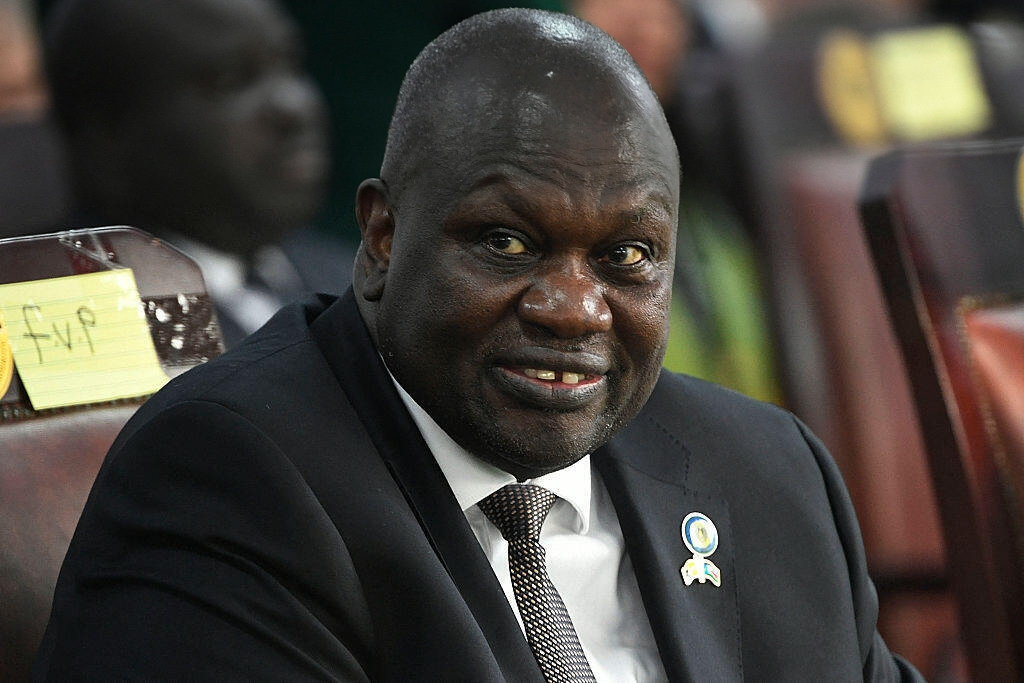
Chair Swiggs of the Canterbury Regional Council underscored the intrinsic link between effective regional management and coordinated decision-making, specialized expertise, and long-term investment.
“Our rivers, catchments, transport systems, natural hazards and ecosystems don’t stop at council boundaries. Effective management requires coordinated planning and a region-wide perspective,” Swiggs stated.
He further elaborated on the continuous nature of essential services, asserting, “Services such as freshwater monitoring, biosecurity, consenting and compliance operate every day and cannot simply be paused and restarted.” This highlights the potential disruption and long-term negative impacts should regional functions be fragmented without careful consideration.
Supporting the Transition to New Unitary Authorities
In anticipation of potential new unitary authorities, the Canterbury Regional Council is proactively positioning itself to support a seamless transition. The Council’s primary objective is to safeguard regional service delivery, maintain integrated decision-making processes, and ensure the continued achievement of strong environmental, economic, and community outcomes.
Chair Swiggs confirmed the Council’s commitment to providing comprehensive support during the detailed design phase of any new governance models. This includes making its extensive operational systems, critical environmental data, and technical expertise readily available to both the Government and local Canterbury councils. This commitment aims to facilitate the new entities’ ability to sustain service delivery from their inception.
“What matters is whether these functions keep being delivered at the scale Canterbury needs,” Swiggs stressed, emphasizing the importance of functional capacity over structural change.
Protecting Ngāi Tahu Partnerships and Treaty Arrangements
A cornerstone of the proposed reforms, as per government guidance, is the imperative to demonstrate how existing Treaty settlement arrangements will be upheld and carried forward. Chair Swiggs firmly stated that partnerships with Te Rūnanga o Ngāi Tahu and the various Papatipu Rūnanga are non-negotiable and must endure through any governance changes.
“In Canterbury that means the Ngāi Tahu Claims Settlement Act, our relationships with Te Rūnanga o Ngāi Tahu and the ten Papatipu Rūnanga, and the iwi management plans that sit underneath them. Those relationships are part of how the work gets done, and they need to be embedded in whatever model emerges,” he explained. This commitment ensures that the principles of partnership and co-governance, crucial to effective environmental management and community well-being in the region, remain intact.
Canterbury Local Government Reform Timeline
The timeline for these significant reforms is progressing rapidly. Cabinet is slated to make a decision in September on which proposals will advance to the detailed design phase. These detailed plans are required to be submitted by March of the following year, with final Cabinet approval anticipated in May.
The new governance arrangements for any established unitary authorities are expected to be implemented either before or shortly after the October 2028 local body elections. In instances where no proposal is submitted or accepted, the Government has indicated an interim process will be initiated from the 2028 elections, underscoring the determination to see reforms through.
Want to know more? Read about our response to central government reforms