









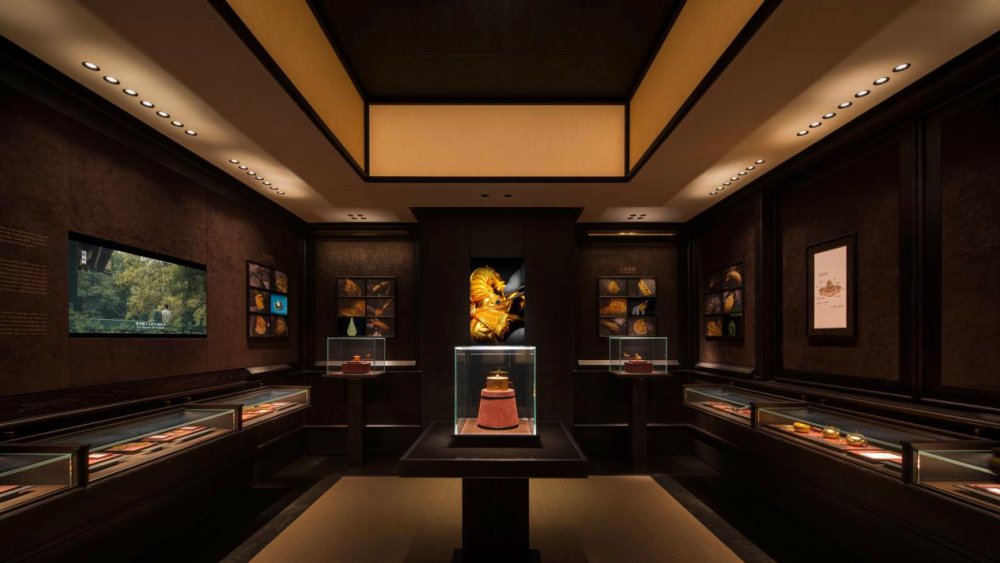
As the Chinese business landscape matures, a profound pivot is underway: the relentless pursuit of rapid scale is being eclipsed by a newfound obsession with heritage, craftsmanship, and slow-burn aesthetics. From the historic incense boutiques of Hangzhou to the high-end jewelry plazas of Nanjing, brands are discovering that cultural depth is a more durable business strategy than mass-market volume.
## The Shift from Volume to Vision
In the past, Chinese brands often measured success by rapid market penetration and explosive growth metrics. Today, that narrative has quietly evolved. Consider the “Thirty-Two Moons” project held in Hangzhou’s 800-year-old Liuxia district. Orchestrated by incense house Kongshan Shi, the activation ignored traditional promotional machinery. Instead, it invited guests into a curated, weeks-long journey of guqin music, hand-copied literature, and traditional incense rituals.
There were no aggressive sales targets, yet the event successfully cemented the brand’s identity as a cultural steward. This “slow commerce” model demonstrates a radical departure from the digital-first, high-velocity marketing that previously dominated the Chinese retail space. In a high-GDP environment like Hangzhou, where consumers are increasingly seeking authenticity, these curated, experiential touchpoints serve as a more effective moat against competitors than standard advertising.
## Craftsmanship as a Competitive Advantage
While the incense market relies on intangible experience, the luxury jewelry sector is turning to physical, hyper-detailed craftsmanship to win over wealthy patrons. A prime example is the jewelry house Lamchiu, which recently unveiled a location at Nanjing’s Deji Plaza. Despite the store’s debut during a cautious economic climate, it recorded 10 million yuan ($1.5 million) in sales on its opening day.
Lamchiu’s business model is explicitly “anti-efficiency.” By utilizing traditional techniques—such as filigree and fine carving—and limiting production, the brand has created a backlog of orders that often stretches over a year. The store itself is a study in patience, featuring floors paved with hand-crafted “gold bricks” and mother-of-pearl ceilings that took months to assemble. By treating gold as an art form rather than a commodity, Lamchiu has proven that consumers are willing to pay a premium for rarity, effectively insulating the brand from the volatility of the broader market.
## The Resurgence of the Song Aesthetic
At the heart of this shift is a shared affinity for the Song Dynasty’s cultural sensibilities. Unlike the opulent, decorative styles often associated with Chinese historical motifs, the Song aesthetic is defined by restraint, functionality, and deep integration into daily life. Both Kongshan Shi and Lamchiu utilize this aesthetic not as a branding veneer, but as an foundational philosophy.
This trend reflects a broader maturing of the domestic market. Chinese brands are no longer solely focused on validating their success through Western templates. Instead, they are looking inward to their own history to define what “luxury” means in a contemporary context. By anchoring their value propositions in cultural heritage, these businesses are building brands that are not only aesthetically distinct but also significantly more resilient.
Ultimately, these companies are betting that in an increasingly digitized world, the value of human touch—whether it is the scent of a custom incense blend or the intricate texture of a handmade gold vessel—is the ultimate luxury. For the next chapter of Chinese business, speed is no longer the metric of choice; intentionality is.
Disclaimer: This content is auto-generated for informational purposes only.
Source: Read Original News