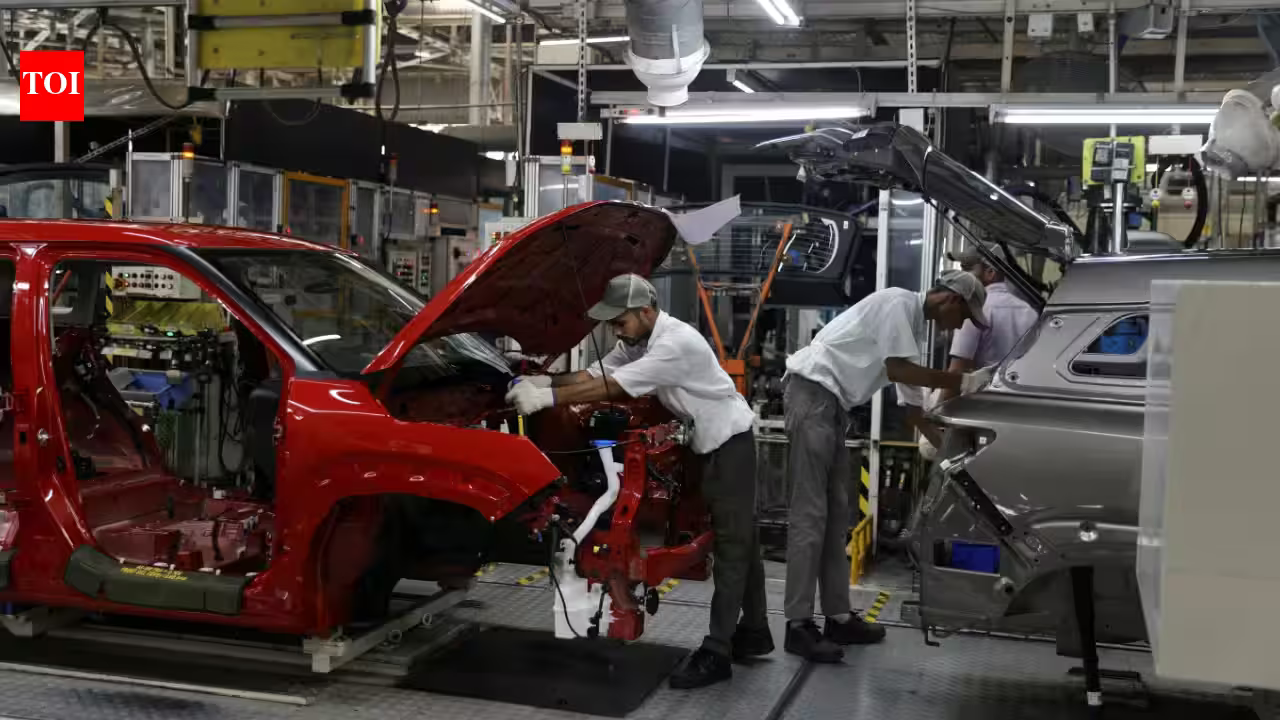








India Considers Tripling CCEA Approval Threshold for FDI to Boost Investment Climate
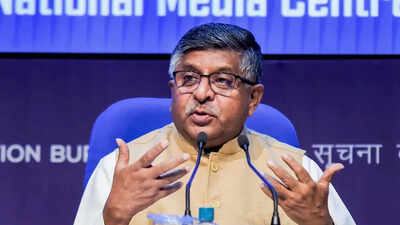
CCEA is a high-level committee headed by PM Modi.
NEW DELHI – In a significant move aimed at further enhancing India’s appeal as a global investment destination, the government is reportedly evaluating a proposal to substantially increase the threshold for foreign direct investment (FDI) proposals that require approval from the Cabinet Committee on Economic Affairs (CCEA). Sources close to the development indicate that the proposed new limit would be Rs 15,000 crore, a sharp increase from the current Rs 5,000 crore.
This potential policy shift underscores the government’s commitment to streamlining investment processes and reducing bureaucratic hurdles, thereby fostering a more dynamic and investor-friendly environment. The CCEA, a powerful and high-level committee, is chaired by none other than Prime Minister Narendra Modi himself, and its members include crucial Union Cabinet ministers such as the Home Minister and Finance Minister, among others. Its decisions carry significant weight and impact national economic policies.
The existing Rs 5,000 crore threshold for CCEA approval has been in place for some time. While it serves to ensure thorough scrutiny of large-scale foreign investments, particularly those with potential strategic implications or requiring substantial government support, it can also lead to delays in project implementation. By tripling this limit, the government aims to empower various ministries and departments to clear a larger volume of FDI proposals independently, accelerating the inflow of capital and the execution of projects.
Economists and industry experts are largely expected to welcome this proposed change. Reduced reliance on CCEA for a broader range of investment proposals could significantly cut down the average time taken for approvals, making India more competitive against other emerging markets vying for global capital. This move aligns with the government’s broader “Ease of Doing Business” agenda, which has seen India climb steadily in international rankings over recent years.
An increased threshold would mean that only the truly mega-projects, those exceeding the Rs 15,000 crore mark, would necessitate the highest level of cabinet review. This frees up the CCEA to focus its attention on investments that are genuinely strategic, complex, or have profound implications for national security, critical infrastructure, or sensitive sectors. For instance, investments in defense manufacturing, highly advanced technology, or cross-border infrastructure projects might still warrant CCEA oversight irrespective of the monetary value, but the general principle would be to decentralize approvals where possible.
While the exact timeline for the implementation of this proposal remains unclear, sources suggest that discussions are at an advanced stage. The proposal would likely undergo rigorous internal evaluation and consultations with various stakeholders before a final decision is made. Should it be approved, it would mark a significant liberalization of India’s FDI policy landscape, potentially unlocking a new wave of foreign investment across sectors.
The government’s continued focus on attracting FDI is crucial for India’s economic growth trajectory. Foreign capital brings not only funds but also technology, management expertise, and job creation, all vital for a developing economy. By signaling a greater degree of trust and autonomy to individual ministries in clearing substantial investment proposals, the government is sending a clear message to global investors: India is open for business, and it is committed to making that business easier and faster to conduct.
This strategic adjustment could further solidify India’s position as a top investment destination, especially as the global economy navigates uncertainties and companies seek stable and growing markets for expansion. The move is a testament to the government’s proactive approach in adapting its policies to meet the demands of a dynamic global economic environment.