







Waymo’s Southern California Operations Hit Hard by Neighborhood Dispute
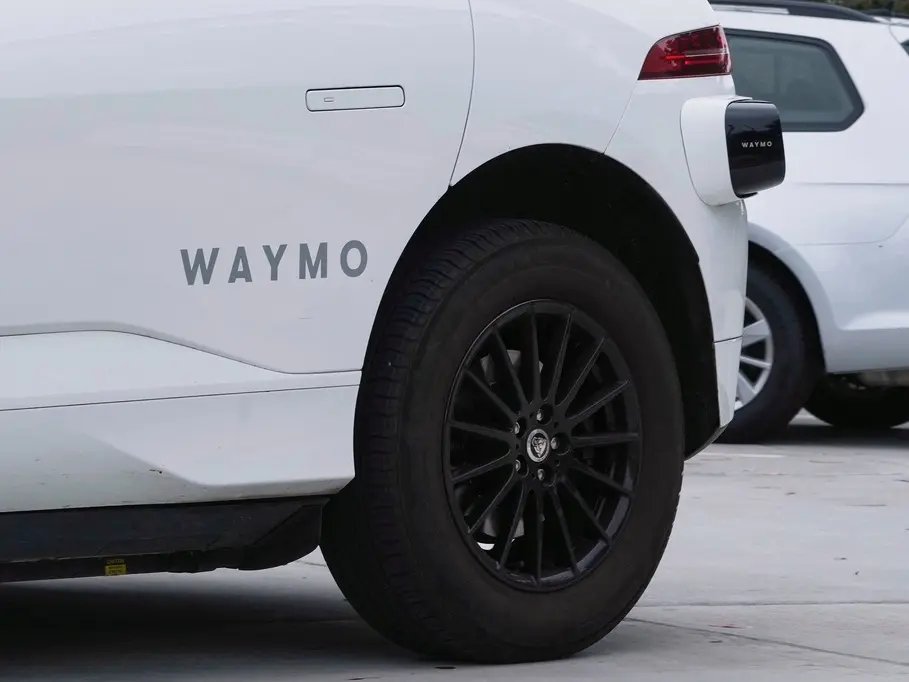
LOS ANGELES, CA – Autonomous vehicle pioneer Waymo is reporting significant disruption to its driverless taxi services across Southern California, attributing the setback to a recent development in an ongoing neighborhood dispute. The company claims this latest turn has inflicted “sweeping, irrevocable harm” on its regional operations, raising questions about the future of self-driving technology deployment in urban environments.
While details of the specific neighborhood dispute remain largely under wraps, Waymo’s strong language suggests a high-stakes conflict with tangible consequences for its ambitious expansion plans. Industry analysts are closely monitoring the situation, as it highlights the complex challenges autonomous vehicle companies face beyond technological hurdles, including community acceptance, local regulations, and public perception.
Waymo, a subsidiary of Alphabet Inc., has been at the forefront of developing and deploying self-driving technology for over a decade. Its driverless taxi service has been gradually expanding its footprint in various cities, aiming to revolutionize urban transportation. Southern California, with its vast and diverse urban landscape, represents a crucial market for the company’s long-term strategy. The reported “irrevocable harm” could translate into delayed expansion, reduced service areas, or even a complete rethinking of its operational approach in affected regions.
The incident underscores a growing tension between innovation and local community concerns. As autonomous vehicles become more prevalent, neighborhood associations, residents, and local governing bodies are increasingly vocal about issues such as traffic patterns, safety, noise, and the overall impact on community character. Disputes, once localized, can quickly escalate and, as Waymo’s statement suggests, have profound business implications for companies operating at the cutting edge of technology.
Experts suggest that for autonomous vehicle companies to succeed, a more proactive and collaborative approach with local communities might be necessary. This could involve extensive public outreach, transparent communication about operational impacts, and a willingness to adapt services based on community feedback. Without such engagement, even the most technologically advanced solutions may falter in the face of local resistance.
The ripple effects of this dispute are likely to extend beyond Waymo. Other autonomous vehicle developers and ride-sharing companies exploring similar expansions in dense urban areas will undoubtedly be studying this case closely. It serves as a stark reminder that the road to widespread autonomous vehicle adoption is not merely a technological one, but also a social and political one.
As this story develops, further details are expected to emerge regarding the nature of the dispute and Waymo’s strategies for mitigating the alleged harm. The outcome could set a precedent for how future conflicts between technological innovation and community interests are resolved in the burgeoning autonomous vehicle sector.
But before delving deeper into the biggest business stories unfolding across the Golden State, savvy consumers will be interested in some of the week’s most attractive deals and discounts:
- Exclusive Tech Gadget Discounts: Up to 30% off on smart home devices.
- Grocery Store Savings: Buy-one-get-one-free offers on select organic produce.
- Travel Bargains: Discounted flights to popular domestic destinations for fall.
- Fashion Flash Sale: 25% off on summer apparel at leading retailers.
Stay tuned for more updates on Waymo’s situation and other pivotal business developments impacting California’s dynamic economy.