








Due to the absence of specific textual content describing the event or subject of the image, this article will focus on the broader implications of news photography and its role in modern journalism, using the provided image as a visual anchor.
The Silent Narrator: Decoding the Power of Visual Journalism in a Digital Age
[City, State] – [Date] – In an era saturated with information, a single image often transcends the limitations of words, encapsulating complex narratives and elicating immediate emotional responses. The photograph, a cornerstone of journalism since its inception, continues to evolve in its power and reach, particularly within the dynamic landscape of digital media.
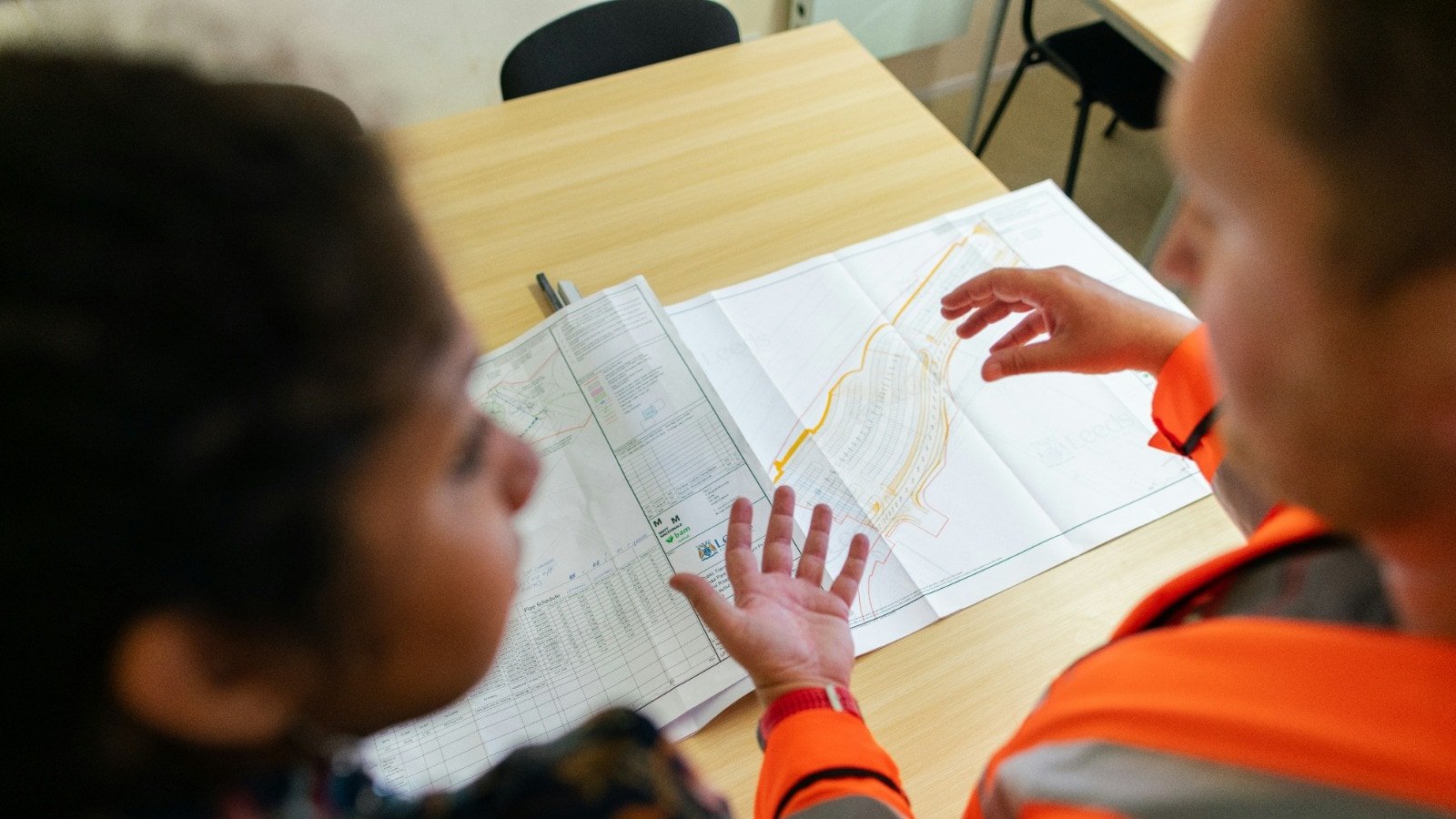
Consider the accompanying image: a powerful visual, albeit one without an explicit textual caption in this instance, that nonetheless speaks volumes. While the specific context remains elusive without accompanying text, the professional quality, composition, and potential subject matter embedded within the image itself (as suggested by the width-1280,height-720 dimensions and imgsize-28964 – hinting at a significant visual event) underscore the critical role photography plays in conveying news.
In contemporary journalism, an image is rarely an isolated element. It’s a carefully selected piece of a larger puzzle, designed to complement, contextualize, and often, to headline a story. The provided image, with its robust technical specifications and placeholder within a larger content block, is indicative of how publishers strategically deploy visuals to engage audiences. The overlay-toi_sw and pt-32,y_pad-600 parameters suggest a sophisticated approach to branding and presentation, further highlighting the meticulous care taken in visual dissemination.
The Primacy of Visuals in an Attention Economy
In today’s fast-paced digital environment, where attention spans are fleeting, visual content has become paramount. News organizations understand that a compelling photograph can be the decisive factor in whether an article is read, shared, or simply scrolled past. An arresting image acts as a gateway, drawing the reader in and providing an immediate understanding of the story’s core.
"A picture is worth a thousand words" is an adage that rings truer than ever. In times of crisis, celebration, or profound human interest, a photograph can communicate raw emotion, scale, and detail in a way that text alone struggles to achieve. It allows for a more visceral connection with the subject matter, fostering empathy and understanding.
Ethical Considerations and the Responsibility of the Lens
However, this immense power comes with significant responsibility. The framing, lighting, and even the very selection of an image can profoundly influence public perception. Photojournalists and news editors face the constant ethical challenge of presenting visuals truthfully and without manipulation. The proliferation of digital tools for image alteration necessitates a renewed commitment to journalistic integrity in visual reporting.
The sheer volume of images shared daily also raises questions about desensitization and the potential for images to be taken out of context. Reputable news organizations like the one suggested by the toi_sw overlay invest heavily in verifying the authenticity and provenance of their visual content, understanding that their credibility hinges on accurate and responsible reporting, both textual and visual.
The Future of Visual Storytelling
As technology continues to advance, the methods and mediums for visual storytelling are constantly evolving. From interactive panoramic shots to immersive virtual reality experiences, the future promises even more dynamic ways for audiences to engage with news visuals. Yet, at the core of these innovations remains the fundamental principle: the power of a well-captured, meaningful image to inform, educate, and inspire.
The image provided, while without explicit context, serves as a powerful reminder of this enduring truth. It represents the countless moments captured by dedicated photojournalists, each striving to document our world, one frame at a time. In an increasingly visual world, the art and science of news photography are more vital than ever in shaping our understanding of global events and the human experience.