








India’s Clean Mobility Future: A Dual-Technology Approach with Ethanol and EVs
The Indian Federation of Green Energy emphasizes that both ethanol and electric vehicles are crucial for India’s clean mobility ambitions.
New Delhi, India – India’s ambitious journey towards a cleaner and more sustainable mobility ecosystem will necessitate a multifaceted technological approach, rather than an exclusive focus on one solution. This is the strong assertion made by the Indian Federation of Green Energy (IFGE), which highlights the significant challenge posed by nearly 300 million internal combustion engine (ICE) vehicles currently operating on the nation’s roads.
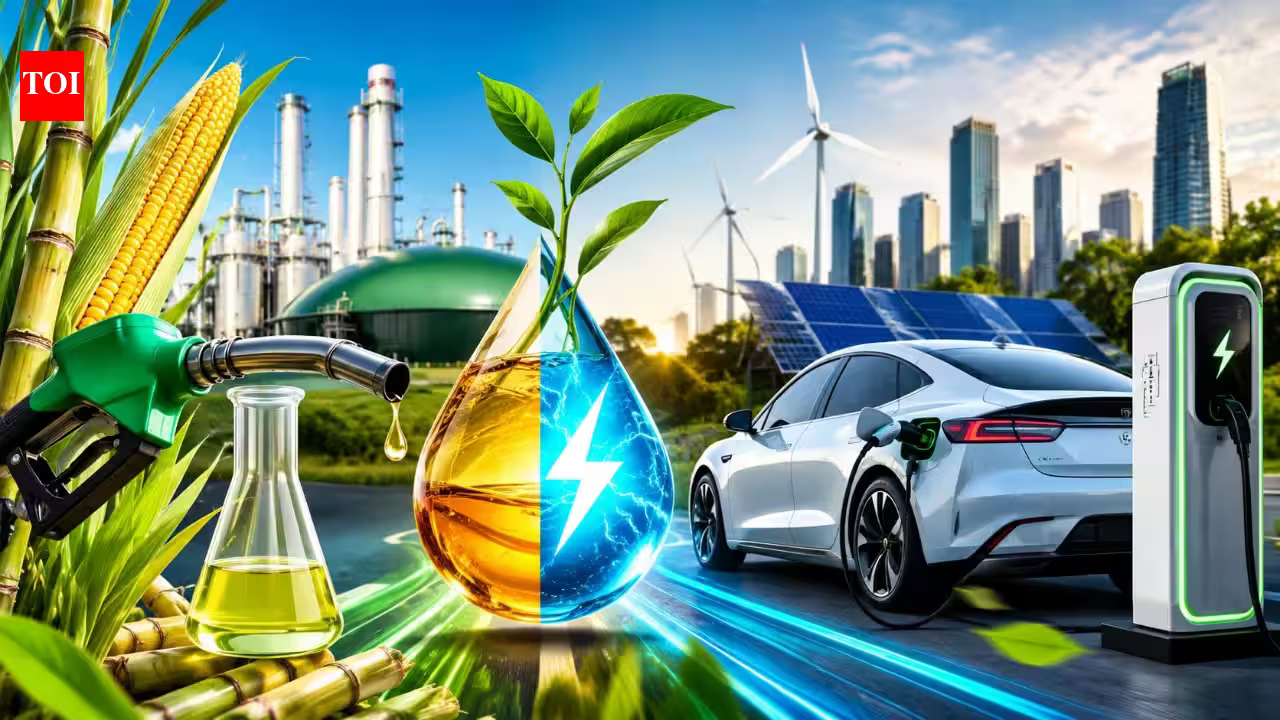
In a recent statement, the IFGE underscored that a diversified energy strategy, incorporating ethanol, electric vehicles (EVs), hybrids, Compressed Natural Gas (CNG), and hydrogen, is paramount. These comments come amidst ongoing discussions and concerns regarding the practical implications of E20 petrol, particularly its potential effects on vehicle mileage and overall compatibility.
“The debate should not be framed as ethanol versus EVs – India needs both. E20 provides an immediate pathway to reduce crude oil dependence and strengthen energy security, while EVs, hybrids and other technologies continue to scale,” stated Dilip Patil, Regional Director, IFGE-West, Pune.
Addressing E20 Concerns and Realities
The introduction of E20 fuel, a blend of 20% ethanol and 80% gasoline, has sparked discussions about its impact on vehicle performance. IFGE acknowledged these concerns, citing studies by reputable institutions such as the Automotive Research Association of India (ARAI), Indian Oil, and the Society of Indian Automobile Manufacturers (SIAM). These studies estimate a potential reduction in fuel efficiency ranging from 2-6 per cent when using E20 compared to E10.
However, the industry body also provided crucial clarification, noting that extensive testing has not revealed widespread engine damage attributed to E20. Furthermore, modern vehicles are increasingly being manufactured with materials designed to be compatible with higher ethanol blends. The IFGE suggested that compatibility concerns are predominantly linked to the transition involving older vehicles that were not originally designed for such blends.
Strategic Expansion of Ethanol Program
India has demonstrated remarkable progress in its ethanol blending initiatives. According to IFGE, the nationwide deployment of E20 was successfully completed by April 2025. The country is now actively pursuing the expansion of even higher ethanol blends, promoting flex-fuel vehicles, and developing second-generation ethanol technologies.
The ethanol blending program is not merely an environmental initiative; it is a strategic economic imperative. It has significantly contributed to reducing India’s reliance on imported crude oil, thereby bolstering energy security. Latest figures from the Ministry of Petroleum and Natural Gas highlight the substantial benefits achieved: the program has generated foreign-exchange savings exceeding Rs 1.97 lakh crore and has substituted nearly 316 lakh metric tonnes of crude oil since the Ethanol Supply Year 2014-15.
The Indian government has been a key proponent of ethanol blending, viewing it as a critical component of its broader strategy to decrease dependence on expensive imported crude oil and foster the greater utilization of domestically produced fuels, thereby creating a more sustainable and self-reliant energy landscape for the nation.
In conclusion, the IFGE’s perspective provides a pragmatic roadmap for India’s clean mobility future. It emphasizes that a pragmatic, multi-pronged strategy that leverages the strengths of both existing and emerging technologies – from ethanol to EVs, hybrids, and hydrogen – will be essential to effectively decarbonize the transportation sector while addressing immediate energy security needs and the realities of a vast existing vehicle fleet.