







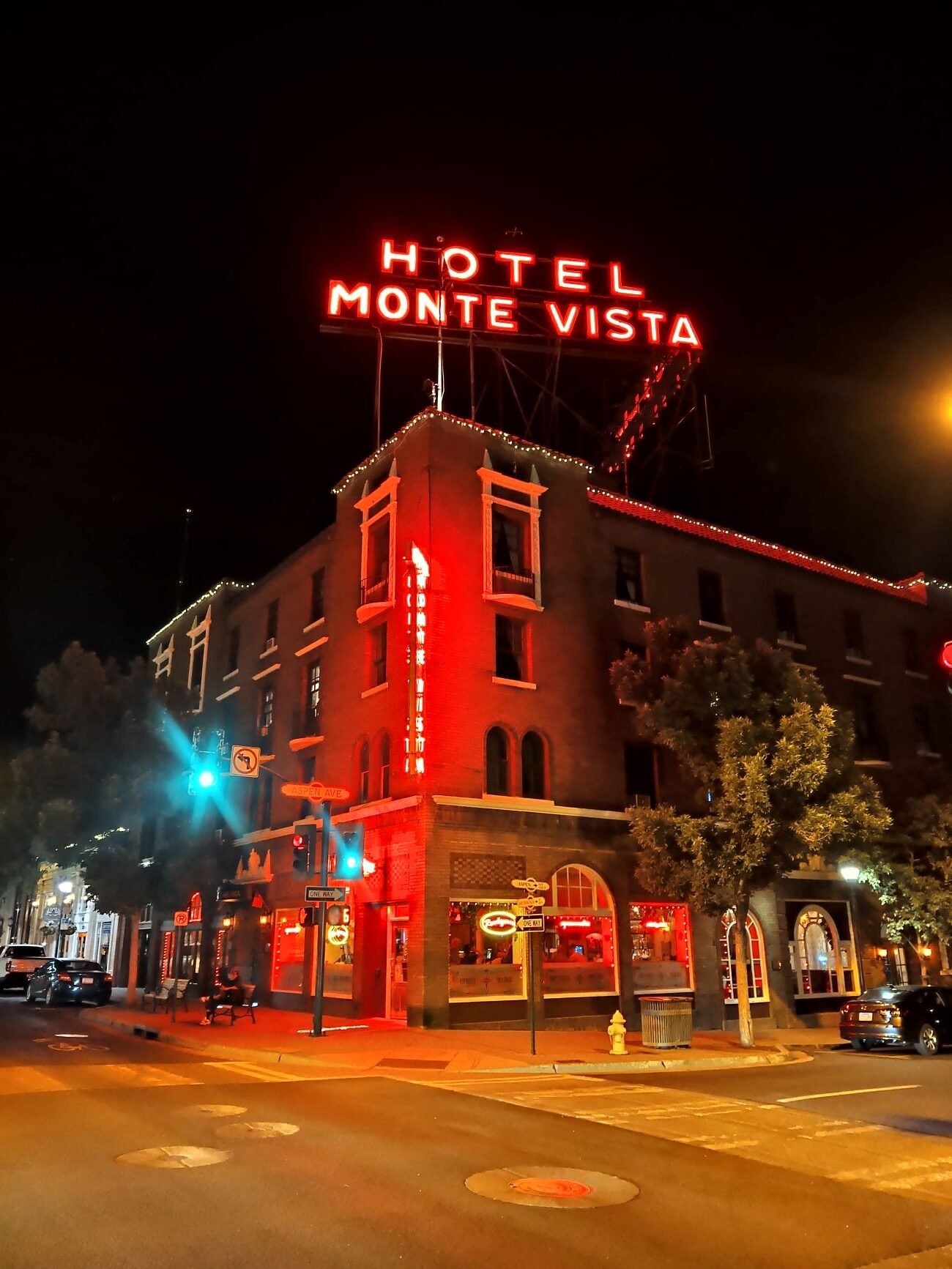
Flagstaff’s historic Hotel Monte Vista is gearing up for a major milestone this January, marking a century of operations as one of Northern Arizona’s most iconic landmarks. As the hotel prepares to celebrate its 100th anniversary, owner James “Jimmy” Craven is reflecting on a journey that began long before the digital age, while navigating the modern demands of the hospitality industry.
Since purchasing the property in 1994, Craven has focused on restoring the building to its original identity as a premier tourist destination. By moving away from its mid-century role as a mix of office space and lodging, the hotel has reclaimed its status as the heart of downtown Flagstaff.
## The Intersection of Heritage and Modern Tech
While the Hotel Monte Vista is steeped in 1920s charm, its survival in the current era requires more than just historical preservation. Maintaining a legacy business today involves integrating modern operational tools. From sophisticated property management systems (PMS) to digital guest-experience platforms, the hotel industry has shifted toward data-driven decision-making.
Much like how global tech giants leverage artificial intelligence to optimize logistics, small, family-run establishments now rely on streamlined digital workflows to manage inventory, guest bookings, and marketing. Craven notes that keeping the business thriving requires a balancing act: preserving the physical, nostalgic “neon sign” aesthetic that guests love while utilizing contemporary software to remain competitive against larger, corporate-owned hotel chains.
## Overcoming Digital and Economic Disruptions
The hospitality sector has faced unprecedented turbulence in recent years, particularly during the COVID-19 pandemic. For a historic venue, the digital transition became a survival necessity rather than a luxury. During the closure, the business had to lean heavily into digital communication and social media to maintain brand visibility and connect with its community.
“COVID was a horrible time,” Craven recalled, noting that the forced three-month closure tested the resilience of the family-run model. Today, the focus is on navigating shifting consumer spending habits. Much like tech companies that monitor user engagement metrics to pivot their product strategy, the Hotel Monte Vista has expanded its footprint to include four distinct venues—the Monte Vista Lounge, Rendezvous, the Lotus Lounge sushi bar, and the newly opened Hideout. These additions serve as “social hubs,” mirroring the way modern digital platforms aim to bring disparate groups of people together in a virtual space.
## A Family-Led Future
As the hotel enters its second century, the commitment to its independent, family-run roots remains the cornerstone of its success. While the tech industry is often defined by rapid acquisitions and corporate buyouts, the Cravens are taking a different path.
“I am not going to sell it to any chain,” said Craven. “I’m going to keep it as a family-run business for as long as possible.”
The daily operations are now a family affair, with his son, Rostylslov, managing the hotel and his wife, Lidia, overseeing the restaurant and bar programming. This transition represents the next phase of the hotel’s “lifecycle management,” ensuring that the human touch remains at the center of the guest experience.
Whether it is climbing to the roof to repair the iconic red neon sign or updating the hotel’s internal infrastructure, the ownership team remains hands-on. By blending the deep-rooted history of San Francisco Street with the operational discipline required for modern hospitality, the Hotel Monte Vista is proving that some traditions—when managed with passion and precision—are built to last forever. As it looks toward the next 100 years, the hotel stands as a reminder that even in an age of automated travel and global algorithms, there is no substitute for a physical space that facilitates real-world human connection.
Disclaimer: This content is auto-generated for informational purposes only.
Source: Read Original News