








Gopal*, a young judicial officer in north India, says caste continues to shape both formal and informal aspects of the judiciary, influencing recruitment, workplace interactions and career progression.
“They work with the presumption that I am not as knowledgeable and hard-working as my upper-caste peers,” he told DW. Gopal is from the Dalit community.
He said that although Scheduled Caste (SC) candidates often perform strongly in written exams, many are graded lower in interviews, affecting their final rankings. These rankings determine promotions, postings and additional responsibilities, reinforcing long-term disparities.
Dalits, classified as Scheduled Castes under India’s Constitution, have historically faced marginalization within the caste system. They make up about 16.6% of the population, according to the 2011 census, and are entitled to affirmative action measures such as quotas in education and public employment.
Caste bias in workplace
Beyond recruitment, Gopal said caste dynamics remain visible in everyday professional settings.
Informal conversations often include expressions of caste pride, while social networks and marriages within the judiciary largely follow caste lines. He added that questions about his missing surname are often aimed at identifying his caste.
“The judges’ association election was fought on the basis of caste. It’s everywhere if you pay attention to it, but nowhere if you don’t,” he said.
While legal safeguards against caste discrimination exist, Gopal said their impact is limited in professional spaces.
He believes there is scope for affirmative action, suggesting:
- extending caste-based reservations to promotions
- creating institutional mechanisms, similar to workplace harassment bodies, to address caste-related grievances
Gopal added that caste discrimination has evolved rather than disappeared.
“The practice of untouchability has changed form,” he said, citing workplace practices such as food-based segregation and continued emphasis on endogamy and caste identity.
“Overall, they have successfully replicated the caste system in the service. I do not see much change in the coming decades,” he said.
*name has been changed to protect the interviewee’s identity
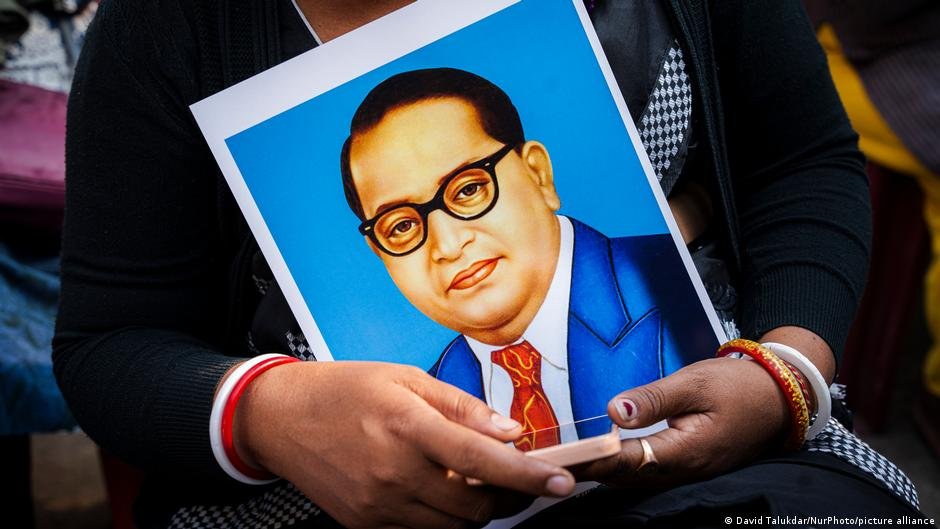
This feature is a part of DW’s special coverage of Dr BR Ambedkar’s 135th birth anniversary and Dalit History Month.