







From Surplus to Scarcity: The Untold Story of India’s Sugar Crisis
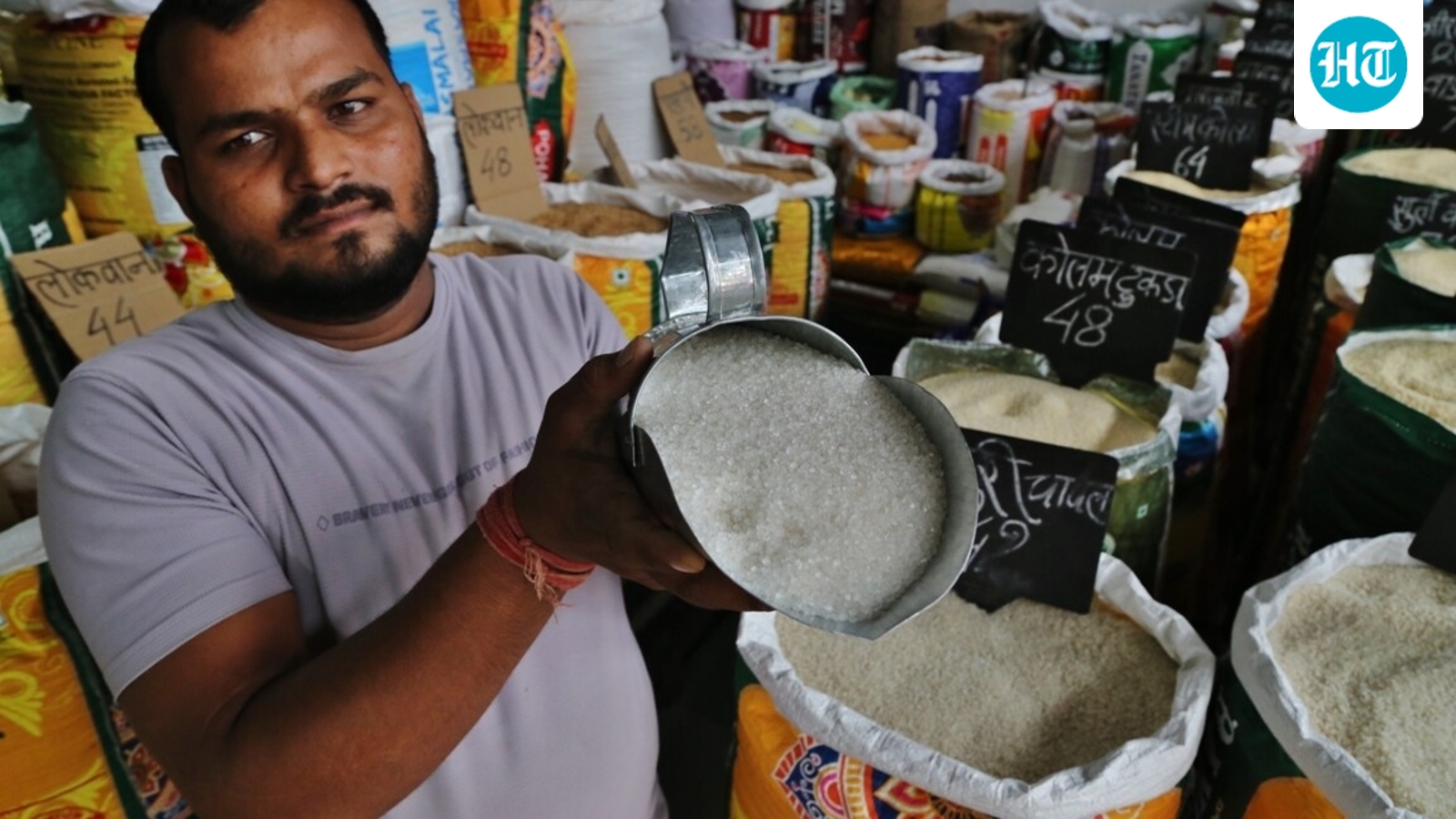
New Delhi: Consumers across India’s major metropolitan cities are facing a bitter reality this week as retail sugar prices have surged by nearly 40% compared to just a fortnight ago. This sudden price hike arrives at a precarious time, as the nation heads into a high-demand festive season beginning with Onam and Rakshabandhan.
The volatility marks a sharp reversal for a sector that, just a year ago, was positioning itself as a global export powerhouse. The rapid descent from projected surplus to a severe supply crunch has left policymakers scrambling and economists questioning the reliability of production forecasting.
The Anatomy of a Market U-Turn
At the commencement of the 2025-26 sugar season on October 1, 2025, both the government and the industry were anticipating a production boom. Initial estimates from the Indian Sugar and Bio-energy Manufacturers Association (ISMA) projected an output of 34.90 million tonnes—an 18.3% increase over the previous year.
Acting on these optimistic projections, the government greenlit 1.5 million tonnes of exports in November 2025, followed by another 500,000 tonnes in February. However, as the season progressed, the data began to falter. By May, the government executed a complete policy reversal, imposing a total ban on sugar exports to secure domestic supplies.
The market reaction was immediate and aggressive. Ex-mill prices, which hovered near ₹4,800 per 100kg in early August, skyrocketed to over ₹7,100 in some regions by August 20. The crisis reached a fever pitch when the government, for the first time in nearly a decade, opened the door to sugar imports by scrapping the 100% import tariff and authorizing 1 million tonnes of arrivals.
Forecasting Failures and Accountability
The transition from surplus to deficit has highlighted significant discrepancies in how India tracks its most vital commodities. Critics argue that persistent overestimations by industry bodies have misled policymakers, leading to ill-timed export decisions that effectively drained the national reserves.
“Inaccurate assessments have influenced major policy decisions with consequences for consumers, domestic trade and India’s credibility in global markets,” noted Deepak Pareek, founder of the agri-advisory firm HnyB.
While ISMA maintains that its preliminary estimates are standard industry practice subject to revision based on crop yields, the Department of Food and Public Distribution has clarified that it relies on internal inputs from Cane Commissioners rather than industry forecasts. The government attributed the shortfall to “Red Rot and Top Borer disease” and waterlogging caused by erratic rainfall, rather than policy mismanagement.
The Ethanol Paradox
The government has also moved to decouple the current price hike from its ambitious ethanol blending program. While some observers suggested that diverting sugarcane for fuel contributed to the shortage, the government released a statement on August 21 clarifying that the share of sugar diverted to ethanol has actually declined to approximately 9% this season. Today, nearly three-fourths of India’s ethanol production is sourced from grains, particularly maize.
A Precarious Future
As India faces this sugar surprise, the outlook for the next season remains grim. Industry estimates suggest carry-over stocks could fall to a two-decade low of 3.2 million tonnes.
Compounding the problem is the looming shadow of climate change. With a strengthening El Niño threatening to bring drier conditions to key producing states like Maharashtra and Karnataka, production for the 2026-27 season may hover near 29 million tonnes—barely enough to cover India’s annual domestic consumption of 28.5 to 29 million tonnes.
“If output matches this year’s 31 million tonnes, it would be prudent to build additional stocks,” warned GK Sood, chairman of KN Agri Resources Ltd. For now, the government remains in a state of high alert, promising to monitor market practices and intervene wherever necessary to balance the delicate needs of farmers and consumers.