









Children to be Exposed to Gambling Logos on Sports Jerseys Until 2032 Under Federal Reform Deal
Australian children will continue to be exposed to betting logos on professional sports jerseys for years to come, as a newly legislated federal ban includes a controversial five-year transition period that allows existing sponsorships to run until the end of 2031.
The Albanese government’s initiative to sever the pervasive link between professional sports and the wagering industry has been met with backlash from public health experts and crossbench politicians. While the legislation formally bans gambling company branding on player kits, the inclusion of “grandfathering” provisions means the change will not take full effect until 2032.
Critics have pointed out the absurdity of a timeline that allows the status quo to persist long after the government acknowledged the harm these logos cause to minors. Under the current trajectory, a child entering Year 8 today could potentially graduate from secondary school before the last gambling-sponsored jersey is retired from the field.
A “Real Betrayal”
Independent senator David Pocock, a vocal opponent of the extended timeline, has urged sporting clubs to terminate their existing sponsorship agreements at the earliest possible opportunity.
“We are in an absurd situation where, by the time of the legislation’s three-year statutory review, jerseys may still have betting logos on them,” Pocock said, describing the deal as a “real betrayal” of the reforms originally promised.
Liberal MP Andrew Wallace, who took the rare step of crossing the floor to vote against his own party’s position, argued that the five-year window is far too generous. Wallace revealed that he had lobbied for a two-year transition, which he deemed sufficient for clubs to secure alternative commercial partners.
Government Defends “Balance”
Communications Minister Anika Wells defended the policy, characterizing the 2032 deadline as a necessary concession to ensure the financial viability of sporting clubs. During a press briefing, Wells acknowledged that at least one club is currently tied into a contract extending until 2031.
“In trying to strike a balance between grandfathering existing arrangements and ensuring viability, that’s what we got to,” Wells stated, adding that while she hopes clubs will pivot away from wagering partnerships sooner, the timeline remains a commercial reality for the organizations involved.
Public Health Concerns
The slow phase-out has drawn sharp criticism from researchers who argue the policy lacks genuine urgency. Samantha Thomas, a public health expert specializing in gambling harm, stated that the delay undermines the government’s stated intent to protect children.
“The government has effectively said that they recognize that gambling sponsorship is harmful to children and then decided that it can continue for the next five years,” Thomas said. “It is difficult to take the government seriously when it claims to be trying to break the nexus between gambling and sport.”
Industry Impact
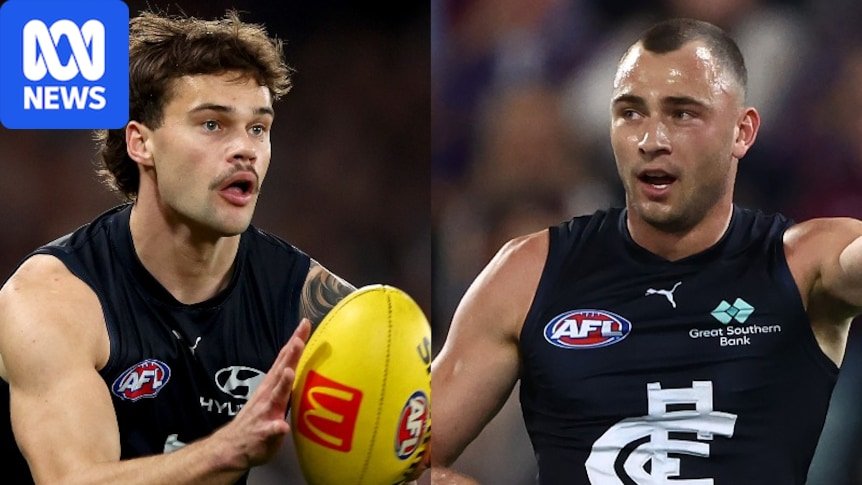
The scale of the reliance on these partnerships is significant. Seven NRL clubs currently display wagering or lottery logos on their jerseys, with several high-profile contracts running through the 2028 season.
While some clubs, such as the Brisbane Broncos, are currently in sensitive negotiations regarding their future shirt sponsors, others are locked into long-term deals. The Sydney Roosters, for example, extended their partnership with UniBet last July, while the Penrith Panthers are tied to a deal with Picklebet that runs until at least the end of 2027.
As the industry prepares for the slow shift, the final 2032 deadline—which appeared abruptly when the legislation was introduced to parliament—remains a flashpoint in the ongoing debate over the influence of betting companies on Australian cultural life.
If you or someone you know is struggling with gambling, help is available. In Australia, you can contact Gambling Help Online at 1800 858 858 or the National Debt Helpline at 1800 007 007.