







The Tata Group at a Crossroads: Leadership Vacancy Sparks Questions Over Future Strategy
The Tata Group, India’s most storied conglomerate, faces a defining moment of uncertainty as it hunts for a new chairman. Following a leadership exit that has sent ripples through the market, experts are warning that the conglomerate is at a critical juncture where the traditional “cash cow” model is faltering and internal friction with its primary shareholders threatens to stall its future ambitions.
The End of an Era for TCS
For decades, Tata Consultancy Services (TCS) served as the financial bedrock of the group, contributing approximately 85% of total cash flows. However, analysts suggest that this pillar is no longer as sturdy as it once was. As AI disrupts the traditional IT services model, the conglomerate finds itself in a precarious position: the combined losses from its aggressive new business ventures currently outstrip the cash generated by its legacy software giant.
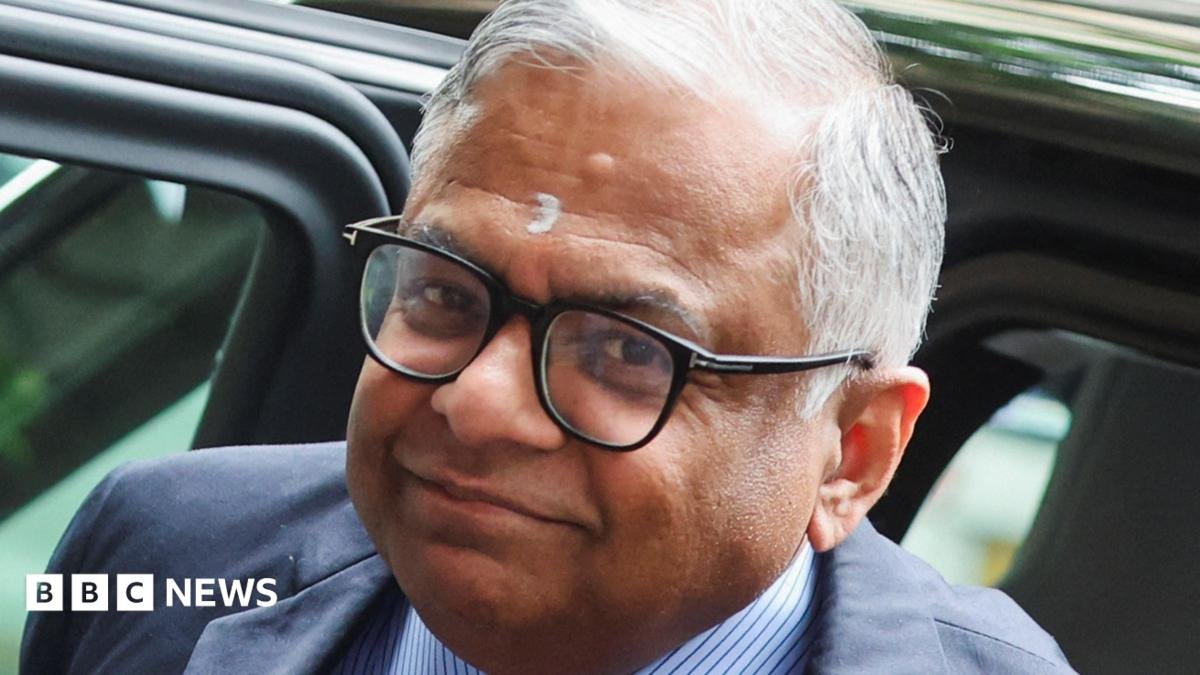
Nirmalya Kumar, former head of strategy at Tata Sons, notes that the complexity of the chairman role has escalated dramatically. “The people internally are good executors of existing business models,” Kumar told the BBC. “Companies like Tata Steel and Tata Motors are almost running on auto-pilot with a CEO in charge. The new chairman will have to understand new business models of the four unlisted businesses that are losing money.”
The Search for a Successor
While the group possesses a deep bench of internal talent, industry observers remain skeptical about whether a “plug-and-play” candidate exists. Analyst Dalal suggests that while internal candidates are viable, they will require significant grooming to handle the unique challenges of the role.
The primary task for the incoming leader will be a cold-eyed assessment of the group’s investment portfolio. With many new ventures bleeding cash, the new chairman must decide which ambitious bets to scale back and which to abandon. Investors are demanding a clear roadmap to profitability—a challenge that requires both strategic vision and transparent communication.
The Shadow of the Trusts
Perhaps the most significant obstacle facing the next leader is not commercial, but structural. The group’s history is marked by a delicate, often fraught, relationship between the operating company (Tata Sons) and the Tata Trusts, the dominant shareholder.
The era of JRD Tata and Ratan Tata was defined by a harmonious alignment between these entities. However, the structure has faced turbulence in recent years. The resignation of Cyrus Mistry previously highlighted the risks of misalignment, and observers suggest the recent leadership exit is a continuation of that structural strain.
Mukund Rajan, former brand custodian at Tata Sons, emphasized the danger of this disconnect. “You cannot have companies being run where the majority shareholder is either feeling ignored or not aligned with the way the company will be run going forward,” Rajan stated.
A Period of Prolonged Uncertainty
For investors, the coming months will be a test of stability. The departing leadership had pursued an aggressive strategy of expansion that now faces a necessary audit. Whoever takes the helm must navigate a dual mandate: restoring faith among the Trusts while steering a complex conglomerate through an era where its traditional revenue streams are being challenged by rapid technological evolution.
Ultimately, the successor’s success will likely hinge not just on their business acumen, but on their ability to repair the bridge between the boardrooms of Tata Sons and the powerful interests of the Trusts. Without this alignment, the path forward remains clouded in doubt.