








The iPhone Ultra: Hands-On Reports Suggest Apple’s Foldable is Worth the Premium Price Tag
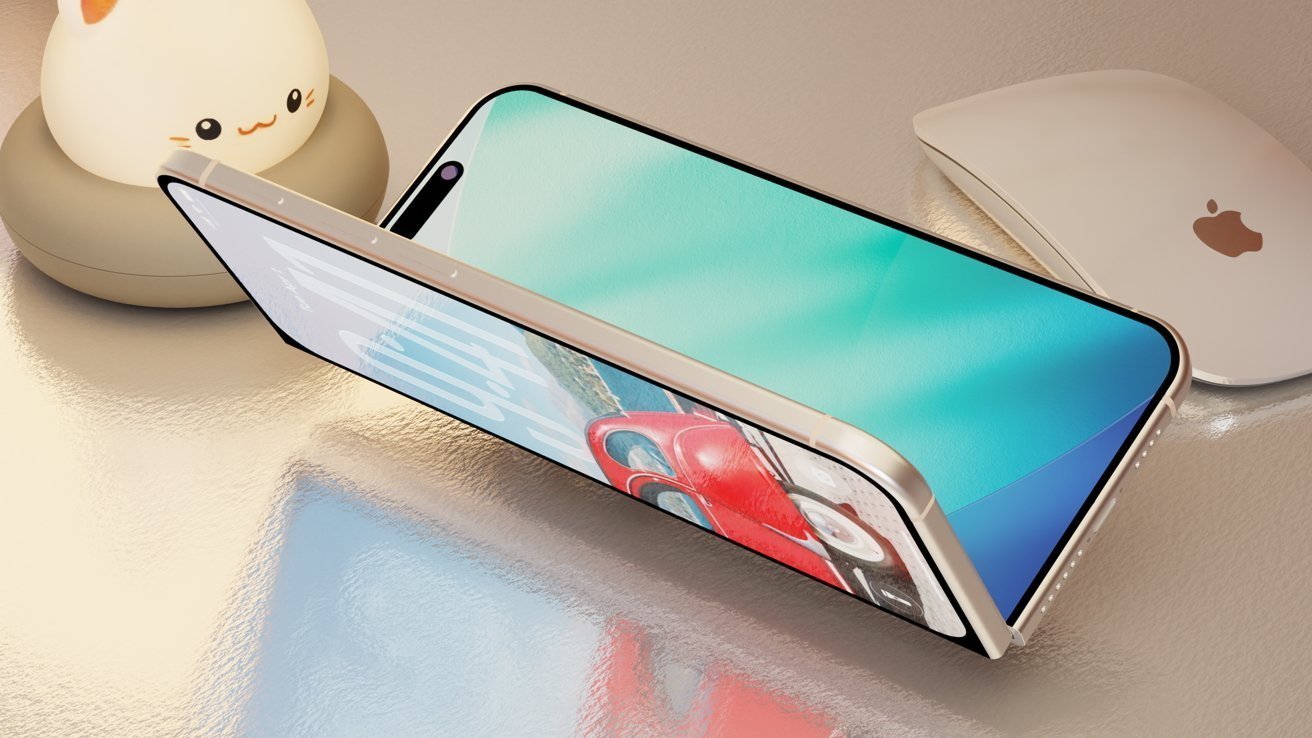
Apple is poised to enter the foldable smartphone market this September with the highly anticipated iPhone Ultra. While the device is expected to command a price point significantly higher than the flagship Pro-series iPhones, early reports suggest that the hardware may actually justify its hyper-premium status.
According to Mark Gurman in his latest “Power On” newsletter for Bloomberg, several individuals outside of Apple have already had the opportunity to experience the device firsthand. Their feedback paints a picture of a device that, while unconventional, successfully balances ambitious engineering with practical usability.
A Robust Design
One of the primary concerns with foldable technology has always been durability and portability. Despite initial skepticism regarding the thickness of the device when folded, early testers reported that the phone remains surprisingly pocketable. Furthermore, the hinge mechanism—a critical component for any foldable—has reportedly received praise for both its smooth operation and its perceived structural integrity.
The true highlight, however, is the expansive folding display. By leveraging the increased screen real estate, Apple has successfully adapted iPad-like app layouts to the smartphone form factor. Sources indicate that this software implementation is a major success, offering a multitasking experience previously unavailable on the iPhone.
Camera Capabilities and a Surprising Biometric Shift
The photography experience on the iPhone Ultra appears to be a mixed bag. While the device reportedly omits a dedicated telephoto lens, it remains a highly capable shooter. Testers noted that the large, foldable display functions exceptionally well as a camera viewfinder, providing a uniquely immersive experience for framing shots.
In a move that may surprise long-time Apple users, the device is rumored to ditch Face ID in favor of a return to Touch ID. This shift represents a significant departure from current design trends across Apple’s primary smartphone lineup.
Positioning the ‘Halo’ Product
The lack of a telephoto lens, coupled with an estimated $2,000 price tag, could be a point of contention for tech enthusiasts accustomed to the cutting-edge specifications of Apple’s standard Pro line. However, industry analysts view the iPhone Ultra as something more than a spec-sheet competitor.
The device is being positioned as a “halo” product. Historically, when Apple enters a new, maturing market—even if it is later than rivals like Samsung—it possesses the unique marketing power to elevate the entire category. By bringing the “Apple treatment” to foldables, the company is expected to broaden mainstream awareness, ultimately benefiting the entire ecosystem of folding devices.
For Apple, the strategy is twofold: create a high-end luxury device that captures the imagination of the public, and use that excitement to cast a “halo effect” over the broader, more accessible iPhone range. Even for those who opt against the $2,000 entry price, the presence of the iPhone Ultra may serve as an effective magnet, drawing customers into Apple retail stores to explore the latest smartphone innovations.