








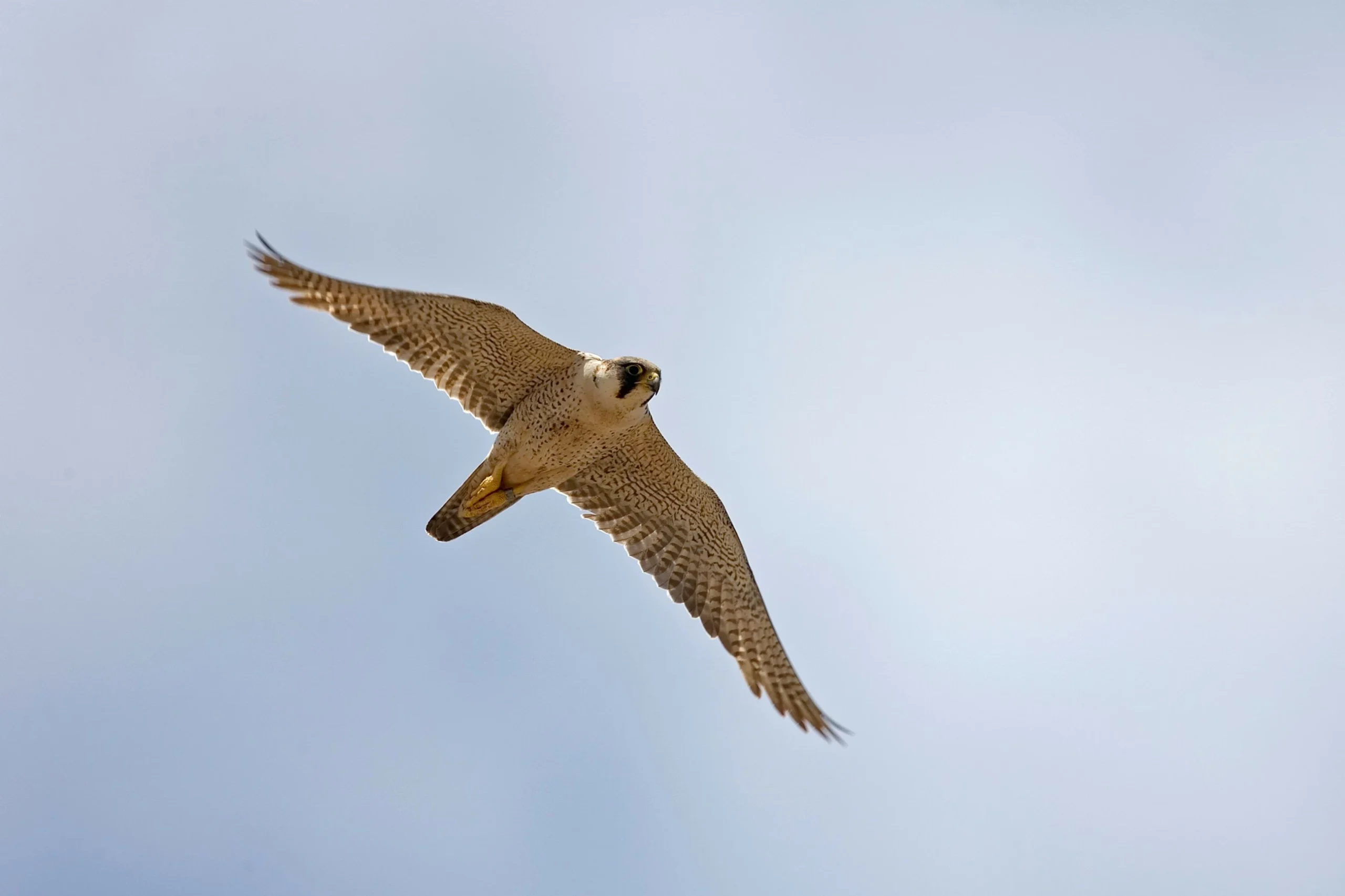
The Environment Agency – Abu Dhabi (EAD) has officially announced the dates for the upcoming 2026–2027 traditional falconry hunting season. Scheduled to run from 20 October 2026 through 31 January 2027, the season will be conducted under the framework of Law No. (22) of 2005 concerning hunting in the Emirate of Abu Dhabi and its subsequent Executive Regulations.
This annual initiative reflects the EAD’s dual mandate: safeguarding the UAE’s storied cultural heritage and ensuring the rigorous protection of regional wildlife and natural ecosystems. By establishing a structured, legal window for falconry, the agency seeks to maintain the traditions of the desert while preventing the over-exploitation of natural resources.
Participation in the 2026–2027 season is strictly limited to licensed falconers. A critical environmental safeguard is the regulation governing prey: hunters are permitted to pursue only captive-bred Houbara bustards. The geographic scope of the hunt is also carefully controlled to prevent encroachment on sensitive areas. Licensed activities must take place in open regions at least two kilometres away from public infrastructure, including main and secondary roads. Furthermore, all restricted zones—such as nature reserves, forest areas, residential sectors, military installations, petroleum facilities, and private properties—remain strictly off-limits to hunters.
To participate, applicants must be UAE nationals aged 18 or older. Compliance with national identification protocols is mandatory; all falcons utilized during the season must be registered within the Ministry of Climate Change and Environment’s national system. The application process has been digitized to ensure efficiency and accessibility, with all requests processed through the ‘TAMM’ smart application or website via UAE Pass. Applicants are directed to select the “Leisure” category under the Environment Agency – Abu Dhabi, choose the “Issuance of Falconry Licence” service, and complete the process by paying the seasonal fee of AED 127. Upon approval, the licence is issued in an electronic format.
The EAD has emphasized that holding a licence carries significant environmental and legal responsibilities. To ensure the preservation of local biodiversity, the agency has mandated that hunting may only occur between sunrise and sunset. Falconers are strictly prohibited from disturbing any wild animals, birds, or reptiles outside of the designated quarry. Furthermore, the regulations mandate that participants must not damage native vegetation by driving off-road, and licences are strictly non-transferable.
Environmental stewardship is a cornerstone of the season’s requirements. Licence holders are required to carry their documentation at all times during hunting activities and must present it to relevant authorities upon request. Beyond administrative compliance, falconers are expected to maintain the cleanliness of the natural environment, ensuring that all waste is disposed of responsibly to prevent pollution in the desert landscape.
These measures are the result of ongoing collaboration between the EAD and key strategic partners, most notably the Emirates Falconers’ Club. By implementing science-based controls and clear regulatory oversight, the EAD aims to align the practice of falconry with international best practices. This approach allows the tradition to thrive in a modern context, ensuring that the ancient bond between the falconer and the bird of prey remains compatible with the UAE’s long-term environmental conservation goals. Through these high standards of practice, the Agency continues to ensure that the sport remains a sustainable, regulated, and respected component of the national identity.
Disclaimer: This content is auto-generated for informational purposes only.
Source: Read Original News