








The UK government’s newly launched “Prepare” campaign, intended to ready the public for environmental emergencies, has drawn sharp criticism for placing the burden of national resilience on individual households while systemic policy failures continue to exacerbate the threats. The initiative encourages citizens to adopt personal measures—such as conserving water during droughts, packing “grab bags” for floods, and monitoring air quality—but analysts argue that these steps are an inadequate response to government actions that actively undermine national stability.
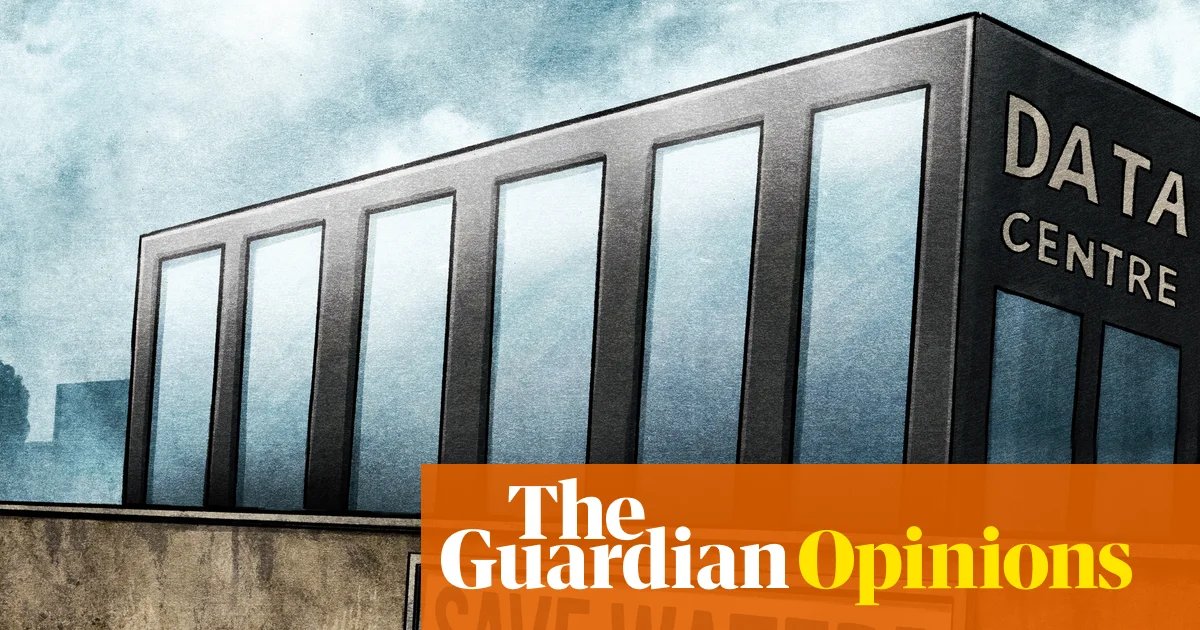
The disconnect between government advice and infrastructure policy is most visible in water management. While the “Prepare” campaign urges households to save water, the state has simultaneously classified data centres as “nationally significant infrastructure,” fast-tracking their construction despite warnings from Water UK that the country lacks the capacity to support such developments. Furthermore, government disclosures reveal a lack of strategic oversight regarding the specific utility of these centres, leading to charges that the public is being asked to economize on household water use to facilitate energy-intensive digital projects of questionable necessity.
The government’s own National Risk Register has also come under scrutiny for its assessment of climate hazards. Current projections place the risk of moderate-impact droughts and significant heatwaves at surprisingly low percentages, despite record-breaking excess deaths in recent years. In 2026, heatwaves in May and June claimed nearly 3,000 lives, mirroring the high mortality rates recorded during the 2022 climate crisis. Yet, rather than mandating rigorous building standards to protect the vulnerable, the government has faced accusations of watering down the “Future Homes Standard” following intense lobbying by the construction sector. Similar pressures have reportedly prevented local councils from enforcing higher safety standards in new developments, even in regions prone to flooding.
Public health advice has faced parallel challenges. While the “Prepare” campaign advises washing hands to prevent the spread of avian flu, the government is simultaneously championing a “poultry sector growth plan” that encourages the expansion of factory farming. Scientific bodies have long warned that such intensive operations serve as incubators for highly pathogenic viruses. Environmental advocates point out that by prioritizing industrial growth over ecological caution—compounded by the annual release of millions of game birds into the wild—the government is facilitating the very conditions it warns the public to defend against.
Similar contradictions appear in policy regarding air pollution and food security. Despite warnings about air quality, the government has allowed for the continued installation of wood-burning stoves in new housing and has proceeded with large-scale road-building projects. Meanwhile, food security experts report that the industry is relying on short-term crisis management rather than long-term investment, with major firms frequently lobbying against regulations that could ensure a more resilient supply chain.
At the heart of the critique is a fundamental tension regarding the role of the state. Recent political rhetoric, including addresses by figures such as Andy Burnham, has acknowledged that the “powers-that-be” have often worked against the interests of the public. However, critics argue that until the government moves beyond shifting the onus of survival onto the individual and addresses the influence of corporate lobbying on essential infrastructure and environmental protection, the nation’s resilience will remain dangerously fragile. As the country faces increasingly severe climate-related events, the call to “prepare” is being met with the realization that individual caution is no substitute for a functional, protected, and proactive state.
Disclaimer: This content is auto-generated for informational purposes only.
Source: Read Original News