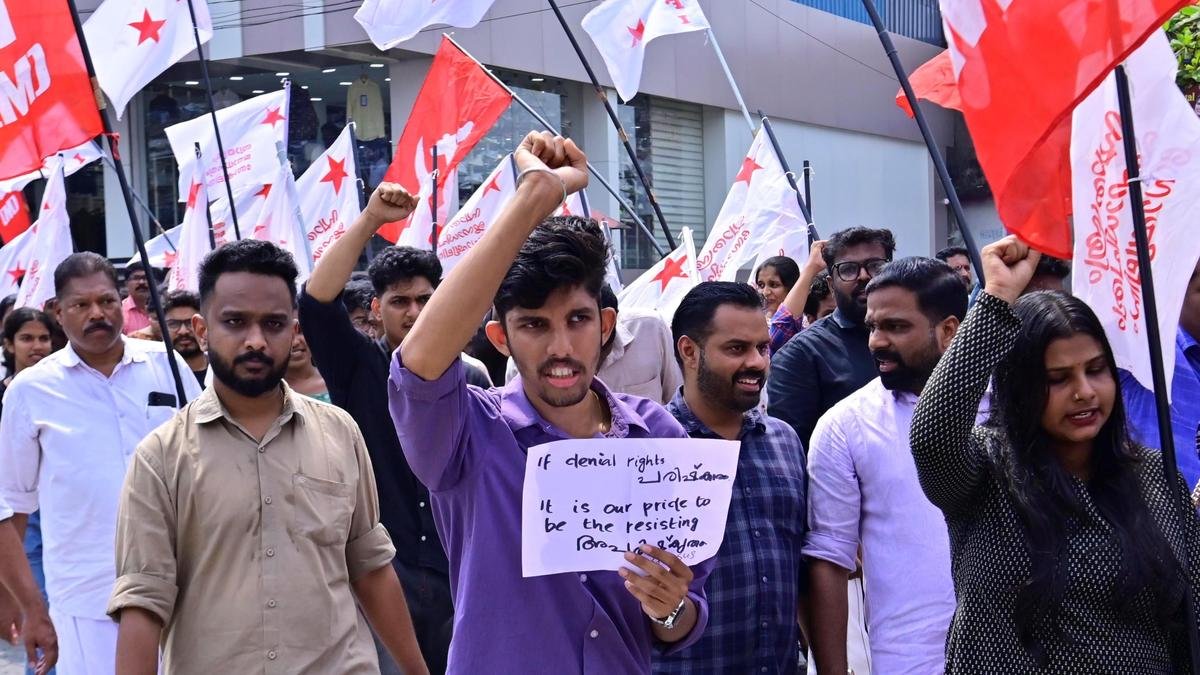









The landscape of higher education in Kerala is undergoing a significant policy shift, sparking a intense debate over the balance between administrative autonomy and public accountability. A recent directive issued by the Higher Education Department has fundamentally altered the regulatory framework for autonomous colleges, creating a divide between those advocating for academic freedom and those fearing the unchecked commercialization of the sector.
The Policy Shift: Cutting Bureaucratic Red Tape
On November 6, the Kerala Higher Education Department issued a circular that overhauled the procedure for introducing new courses and expanding intake capacities. The core of this policy change lies in the relaxation of the “No Objection Certificate” (NOC) requirement.
Under the new rules, autonomous colleges are no longer required to seek government-issued NOCs when launching new self-financing courses or increasing seats in existing unaided streams. This move differentiates autonomous institutions from standard affiliated colleges, which remain subject to more stringent government oversight. While the government retains its authority over new “aided” courses—where the state bears a financial burden—the shift effectively empowers autonomous college managements to design and expand their unaided program portfolios with significantly less administrative friction.
The Argument for Academic Autonomy
The Higher Education Minister, Roji M. John, has framed the decision as a necessary evolution of the state’s academic framework. The core argument is that autonomous colleges have already achieved their status through rigorous institutional evaluation and demonstrated academic excellence.
From the government’s perspective, requiring these institutions to navigate multiple layers of approval—both from their respective universities and the state government—creates unnecessary bureaucratic delays that stifle innovation. The Minister emphasized that this policy does not grant these institutions total financial freedom; they are still bound by existing merit-based admission quotas, reservation policies, and the oversight of university regulatory bodies. By streamlining the process, the government aims to encourage institutions to modernize their curriculum and adapt quickly to the rapidly shifting demands of the contemporary global job market.
Concerns Regarding Oversight and Equity
Conversely, the policy has drawn sharp criticism from the political opposition and student organizations like the Students Federation of India (SFI). The primary concern is that the removal of the government NOC will lead to a “black box” scenario where private managements can expand self-financing programs without the necessary scrutiny of their physical infrastructure, faculty qualifications, or overall academic standards.
Critics argue that the move signals a retreat by the state from its role as a regulator, potentially incentivizing colleges to prioritize revenue-generating courses over the quality of education. Furthermore, there is a pointed critique regarding the “timing” of the decision, with opposition leaders alleging that the concessions were made following closed-door meetings with college management representatives, raising questions about the transparency of the policy-making process.
The Student Perspective and Future Outlook
The debate has polarized student unions. While the SFI maintains that the decision undermines public education and favors private interests, the Kerala Students Union (KSU) has expressed support for the reforms. The KSU argues that the state’s previous rigid policies contributed to academic stagnation, driving students to migrate to other states or abroad for better opportunities.
As the protest continues, the central challenge for Kerala’s higher education system remains clear: how to foster a flexible, responsive academic environment without sacrificing the equitable, quality-driven foundations of public learning. Whether this reform leads to a dynamic, industry-aligned education hub or a fragmented, commercialized landscape will likely depend on the effectiveness of the remaining university-level regulations and the ongoing monitoring of institutional standards in the absence of direct government gatekeeping.
Disclaimer: This content is auto-generated for informational purposes only.
Source: Read Original News