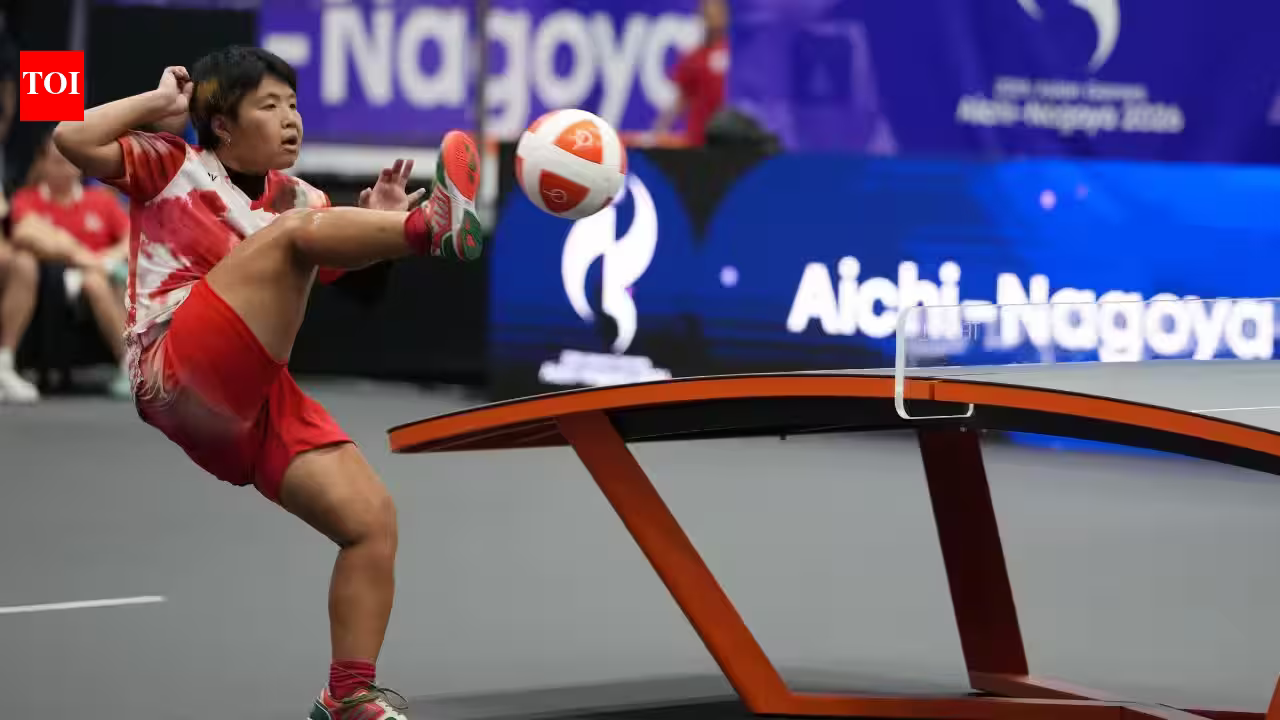





CHAOS HAS descended upon the Indian contingent heading to the 20th Asian Games in Nagoya, as administrative gridlock and accreditation hurdles threaten to derail the medal aspirations of two key disciplines. As athletes prepare for the pinnacle of continental competition, the focus has shifted away from training and toward the frustrating corridors of bureaucracy, leaving karateka and equestrian riders in a state of professional limbo.
Karate Contingent Faces Tactical Vacuum
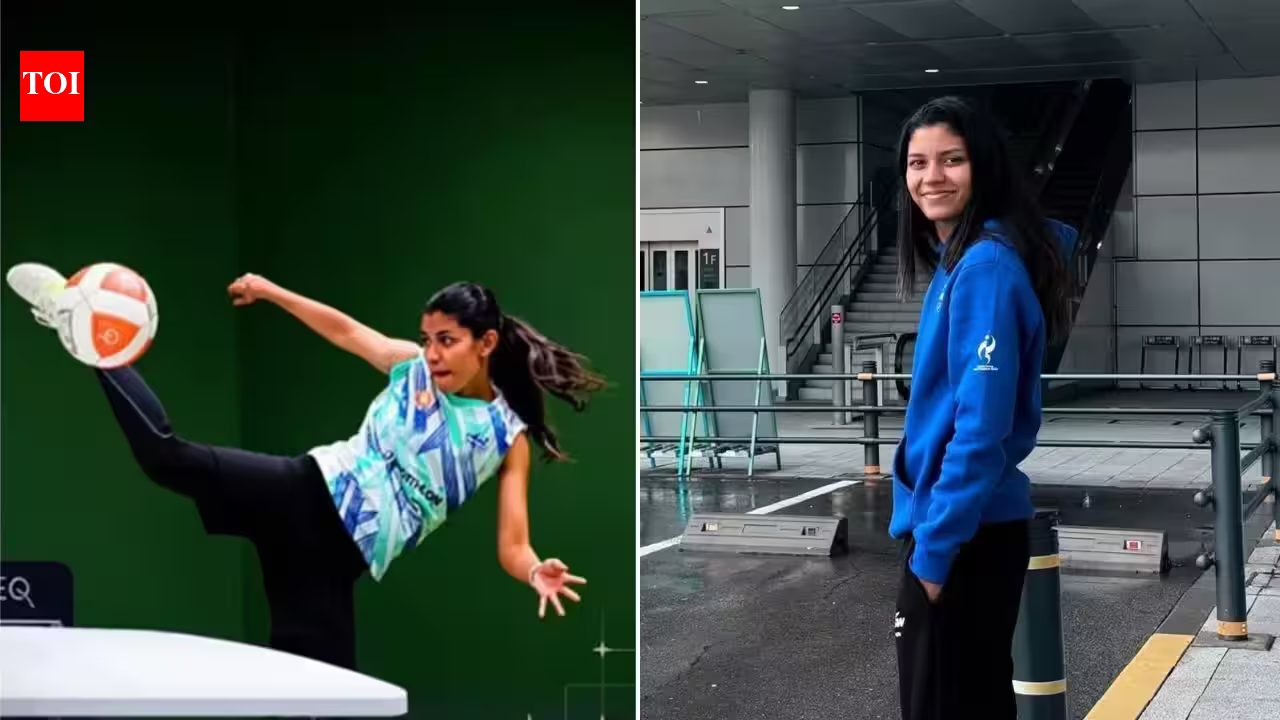
The most glaring oversight involves the karate team, which is set to depart for the Asiad without a single dedicated coach. For Alisha Choudhary, the reigning Asian champion, the situation is not merely an inconvenience—it is a competitive disaster. Choudhary, who secured a historic gold at the 2026 Asian Karate Championship, has been lobbying the Indian Olympic Association (IOA) and sports authorities for months to secure accreditation for her longtime mentor, Vikas Panchal.
Panchal, a coach certified by both the World Karate Federation and the Asian Karate Federation, has been the architect of Choudhary’s success for over a decade. Despite his proven track record and the team’s repeated pleas, the sports ministry’s September 2 sanction list conspicuously excluded a coach for the karate discipline. Instead, the two-member team, which also features men’s kumite 84kg competitor Chetan Bhatt, has been assigned a “team leader” in Adikessava Peroumal Sinouvassane.
The technical implications of this exclusion are severe. In modern competitive karate, the coach is not just a supporter; they are a vital component of the tactical machine. Only an accredited coach is permitted to occupy the coaching corner and, crucially, authorize video reviews by throwing the challenge block onto the mat. By denying Choudhary and Bhatt access to their own specialist, the IOA has effectively stripped them of their ability to contest officiating decisions or receive high-level tactical adjustments mid-bout. For a team competing at the highest level of the Asian Games, this represents an unforced error of the highest order.
Equestrian Riders Caught in Accreditation Maze
While the karate team fights for representation, the equestrian contingent is entangled in a logistical nightmare that threatens to compromise their horse-and-rider partnerships. Five foreign coaches, all of whom have been privately funded by the riders themselves, remain without accreditation as the Games approach.
The riders, currently based in Tokyo, are being forced to coordinate with IOA staff stationed in Aichi and Nagoya—a logistical labyrinth compounded by the significant distance between the sites. The frustration is palpable, with several riders considering a two-hour train journey to Nagoya just to resolve the matter in person. Such a trip would necessitate missing an entire day of training, a luxury no athlete can afford in the high-stakes environment of equestrian sports.
The absurdity of the situation is compounded by the timeline of the request. It is understood that the names of the riders, their horses, and their coaches were submitted to the IOA as early as May. Despite this lead time and the fact that the government is not incurring any financial burden for these coaches—as their travel and board are fully self-funded—the accreditation process has stalled at the eleventh hour.
A Pattern of Neglect
The accreditation woes are merely the latest chapter in a broader narrative of dysfunction surrounding the equestrian team’s preparation. Reports have emerged that the team has been left to scramble for basic necessities, including hay, bedding, and fodder for their horses. The IOA-appointed ad-hoc committee has reportedly cited a “shortage of government funds” as the reason for the shortfall, a justification that has been met with incredulity by athletes who have been left to secure their own logistics despite the magnitude of the event.
For these athletes, the pressure of the Asian Games is twofold: they must perform against the best in Asia while simultaneously navigating the administrative failures of the very organizations meant to support them. As the opening ceremonies loom, the lack of professional coordination threatens to overshadow the hard work and personal investment of those representing the tricolor.
Whether it is the karate team staring down a silent coaching corner or equestrian riders weighing the cost of a day’s training against the need for basic administrative paperwork, the message from the athletes is clear: the path to the podium is difficult enough without having to fight one’s own leadership. As it stands, the Indian delegation is entering the Nagoya Games with one hand tied behind its back, and unless the IOA can provide immediate, decisive action, these preventable administrative failures risk becoming the defining story of the campaign.
Disclaimer: This content is auto-generated for informational purposes only.
Source: Read Original News