







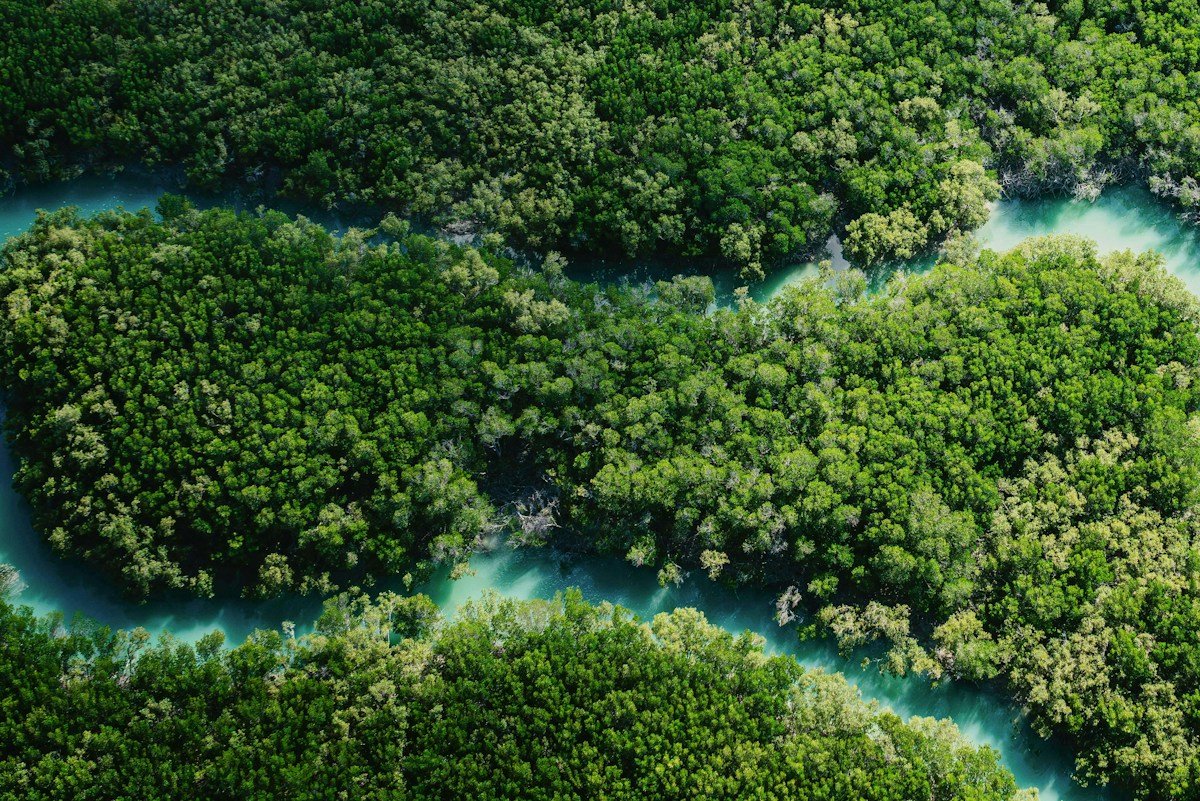
After decades of persistent decline, the world’s mangrove forests are finally showing signs of a modest but critical recovery. New data from Global Mangrove Watch (GMW) reveals that between 1985 and 2025, global mangrove coverage increased by 477 square kilometers. While this represents a subtle 0.3% net growth over four decades, it marks a significant shift in the trajectory of these essential coastal ecosystems.
## Satellite Tech and AI Power the Mapping Effort
The recovery milestone was uncovered through a sophisticated, tech-driven mapping initiative led by the Global Mangrove Alliance. To track these changes across 108 countries, researchers utilized high-resolution satellite imagery—capturing details at a 10-meter level—and advanced machine learning algorithms.
This data-intensive approach allows scientists to distinguish between actual forest regeneration and temporary seasonal shifts. By processing decades of satellite data, GMW has transformed how conservationists monitor coastal health. According to Lammert Hilarides, program lead at Wetlands International, the precision offered by these AI-powered mapping tools is indispensable. “The importance of tracking changes in mangroves lies in the need to have accurate information if you want to successfully halt loss, protect and restore mangroves,” Hilarides noted. This technological oversight is now the gold standard for global conservation efforts, helping policy makers identify regional hotspots where restoration efforts are thriving versus areas where human activity continues to exert destructive pressure.
## A Tale of Two Regions: Gains vs. Ongoing Losses
While the global net gain is promising, the data highlights a fractured reality across the globe. India, for instance, has become a standout success story, adding over 1,180 square kilometers of mangrove cover through a combination of strict government protections and innovative engineering. In regions like Tamil Nadu, “fish-bone” canal systems—designed to restore the natural flow of water to mangrove root zones—have successfully fostered rapid forest regrowth.
Conversely, the data reveals concerning trends in other parts of the world. Indonesia, which houses one-fifth of the world’s mangroves, has recorded significant historical losses since 1985 due to land conversion for aquaculture and urban development. Similar struggles are playing out in Nigeria’s Niger Delta, where chronic oil pollution and industrial activity continue to devastate the ecosystem. Furthermore, recent trends indicate that the Caribbean and parts of North America, which enjoyed early gains in the 1990s, have begun to see a decline in the last five years, signaling that global climate stability remains a moving target for these “coastal armor” forests.
## Shifting Focus from Planting to Ecology
Beyond satellite mapping, the success of these restoration efforts hinges on a philosophical shift in conservation. Historically, many programs focused on mass-planting seedlings to meet arbitrary quotas, a strategy that often yielded poor survival rates.
Today, experts are advocating for “community-based ecological mangrove restoration.” This approach moves away from simple, large-scale planting and toward restoring the physical and ecological conditions necessary for mangroves to thrive on their own. As highlighted by the GMW findings, successful projects prioritize community ownership, ensuring that local populations—who rely on the forests for protection against storm surges and erosion—are directly involved in the stewardship of their environment. By combining modern satellite surveillance with community-led ecological management, the global community is finally finding a blueprint to safeguard these vital carbon-storing habitats against the mounting threats of climate change.
Disclaimer: This content is auto-generated for informational purposes only.
Source: Read Original News