







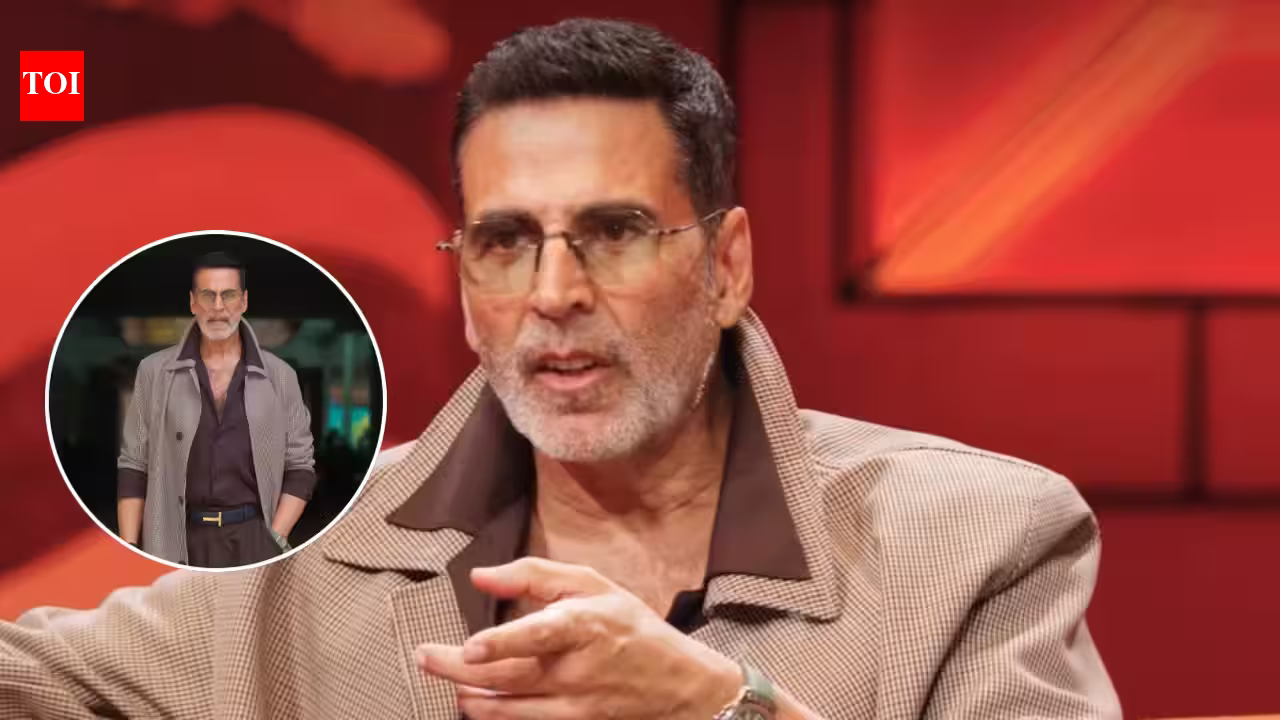
The hustle culture of Bollywood has long been defined by grueling schedules, midnight oil, and the expectation that a star’s life belongs entirely to the production house. But Akshay Kumar, a man who has outlasted generations of leading men, is pushing back against the industry’s unspoken mandate of “the more you suffer, the better the art.” In a candid appearance on the latest episode of Koffee With Karan 9, Kumar didn’t just defend his famously disciplined eight-hour workday—he turned the mirror back on an industry that confuses overwork with dedication.
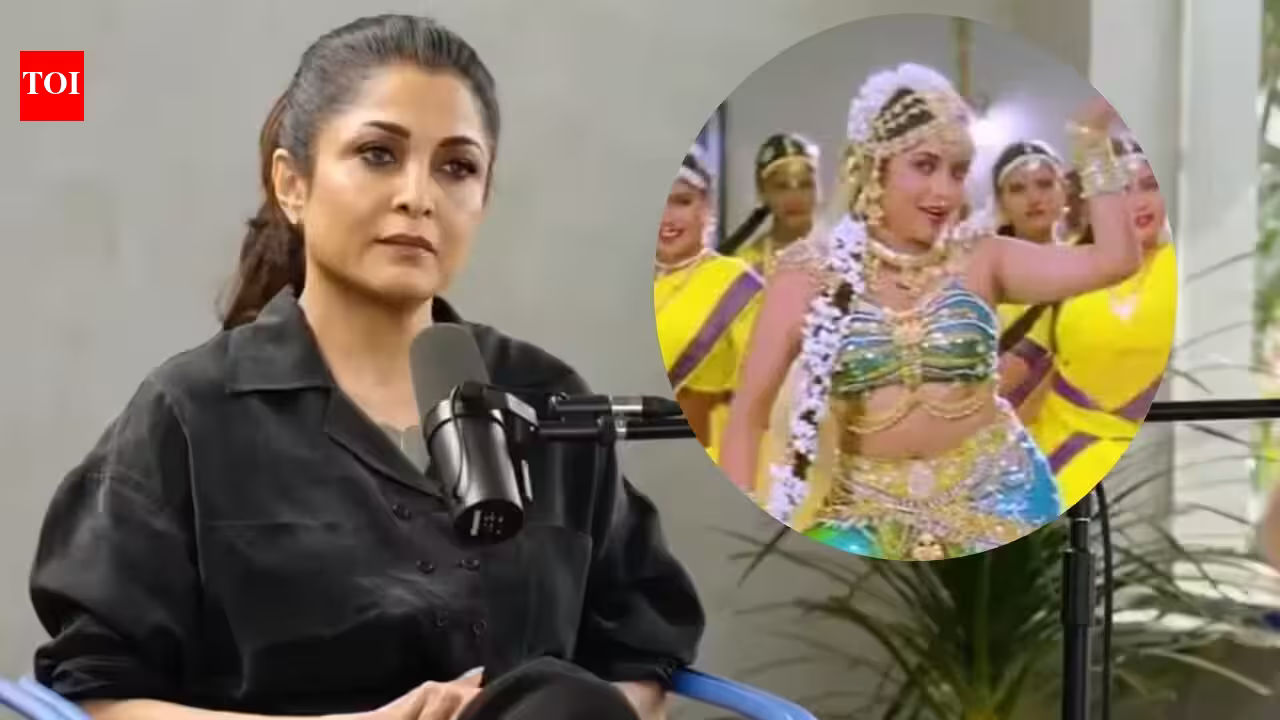
The discourse around shift lengths recently reached a fever pitch following reports regarding Deepika Padukone’s exit from the Sandeep Reddy Vanga-directed Spirit. The speculation suggested a friction point regarding work-life balance following the arrival of her daughter, Dua. While the specific professional dynamics of that situation remain behind closed doors, it has sparked a wider, necessary conversation about the sustainability of the “18-hour-on-set” grind.
The Vanity Van Paradox
For those who label an eight-hour day as “lazy,” Kumar has a sharp, reality-based retort. On the Koffee couch, he addressed the elephant in the room: the suspicion from top-tier producers who worry he isn’t giving enough of himself to the craft.
“They say I work for only eight hours,” Kumar noted, his tone devoid of apology. “But they forget that I don’t even go to my vanity van for those eight hours.”
It is a subtle but potent distinction. In the ecosystem of a film set, the “vanity time” is often where hours disappear—makeup touch-ups, phone calls, social media scrolling, or simply hiding from the heat. By eliminating the buffer zone, Kumar argues he is providing eight hours of pure, high-octane focus. His philosophy is rooted in the longevity of the performer. “You have to look fresh, you have to look energetic,” he argued. “The audience pays to see you at your best, not someone who is mentally and physically depleted by the end of a 16-hour shift.”
Backing from the Trenches
While the ivory towers of production might grumble, those who have actually shared the frame with the “Khiladi” see things differently. Ravi Kishan, the powerhouse of Bhojpuri and Hindi cinema who joined Kumar on the show, offered a defense that resonated with the reality of a working actor.
According to Kishan, who has starred alongside Kumar in four features, the star’s efficiency is, in fact, the ultimate form of respect for the producer’s bottom line. “He even saves the producer’s money,” Kishan noted. “That’s how you become Akshay Kumar. Because of that, many get a job—the units usually comprise 300 to 400 people. Producers are happy because they don’t lose money.”
By sticking to a strict schedule, Kumar ensures the film finishes in a window of roughly 55 days, preventing the budget bloat that often plagues high-profile Bollywood productions. In Kishan’s view, Kumar isn’t cutting corners; he’s running a tight ship.
The Nolan and Cruise Benchmark
Perhaps the most striking part of the conversation was Kumar’s refusal to be gaslit by the Indian film industry’s obsession with “marathon shoots.” He pointed to the gold standard of global cinema, noting that Christopher Nolan rarely exceeds 90 days for a project, and Tom Cruise—perhaps the world’s most physically demanding actor—famously wrapped Mission: Impossible installments in similar timeframes to his own.
“I don’t know why people ask me, ‘Why do you do so many films?'” Kumar questioned, clearly tired of the narrative that his volume of work implies a lack of quality. “Kaam nahi karunga to kya karunga (What else should I do if not work)?”
It is a refreshing, blue-collar take on the life of an A-lister. While other stars treat their filmography like a carefully curated gallery of exhibits to be unveiled every three years, Kumar treats it like a craft. He acknowledges that he enjoys the process of working, and for him, the “eight-hour” boundary is the very mechanism that allows him to keep coming back to set project after project, year after year.
A Shifting Professional Landscape
The timing of this debate is critical. As Indian cinema moves toward global professional standards, the “vanity van” culture of the last two decades is coming under scrutiny. Are these sets functioning as efficient creative hubs, or are they bloated environments where the star’s convenience is the primary bottleneck?
Kumar’s stance is one of pragmatic professionalism. He is not arguing for less work; he is arguing for better work. By prioritizing his health—sleeping for eight hours, managing his nutrition, and focusing on fitness—he is attempting to extend his shelf life as a leading man. It is a stark contrast to the “burn-out” culture that has historically claimed many of Bollywood’s greats.
What’s Next for the Khiladi
Despite the mixed reception of his latest release, Haiwaan, and the shifting fortunes at the box office, Kumar remains a fixture. His absence in Season 8 of Koffee With Karan only made his return this season more anticipated, serving as a reminder that even when his films fluctuate in popularity, his personality remains one of the industry’s most enduring brands.
As for the broader conversation about shift lengths, the industry might be forced to listen. If one of the most bankable stars in history can deliver a career of massive hits while insisting on an eight-hour day, perhaps it’s time for the rest of Bollywood to stop measuring success by how long a star spends in their vanity van, and start measuring it by how much they bring to the monitor when the camera is actually rolling.
Disclaimer: This content is auto-generated for informational purposes only.
Source: Read Original News