





Tech Inflation Bites: Amazon Joins Wave of Manufacturers Hiking Prices
The year 2026 is proving to be a difficult period for technology enthusiasts, as the cost of living crisis continues to bleed into the hardware sector. Following a wave of price adjustments from industry giants like Apple, Dell, HP, and Asus, Amazon has confirmed it is raising prices across its core hardware portfolio, with some devices seeing increases of up to 60%.
The hikes come as the global tech industry continues to grapple with a volatile chip crisis and significantly higher costs for key hardware components.
A Sweeping Price Hike
Amazon’s decision to adjust its pricing strategy follows months of absorbing inflationary pressures. According to an Amazon spokesperson, the company has reached a tipping point regarding memory and storage component costs.
“After absorbing these increases for as long as we could, we recently adjusted pricing across our product lines,” the spokesperson stated.
The impact is most visible among Amazon’s entry-level devices:
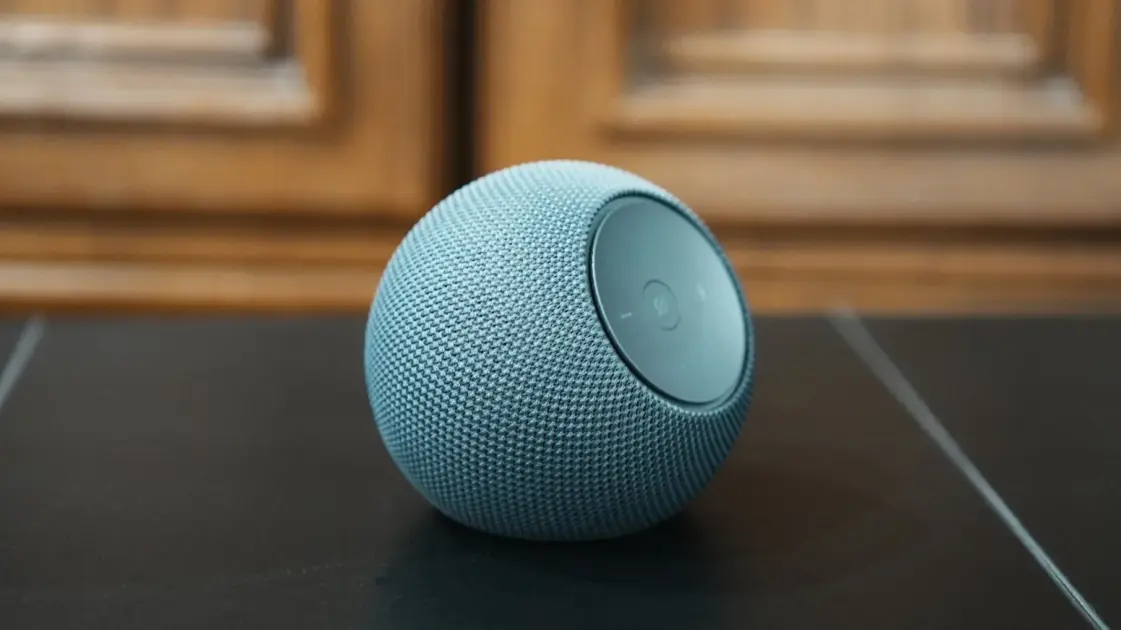
- Echo Dot: The most significant jump, moving from $49.99 to $79.99, a 60% increase.
- Kindle: The 16GB model has surged from $109.99 to $149.99.
- Kindle Paperwhite: Now retailing at $199.99, up from $159.99.
- Fire TV Stick 4K Max: Increased by over 40%, jumping from $59.99 to $84.99.
- Eero Systems: The Eero 7 and Eero Pro 7 have both seen a 14.3% price hike.
Notably, Amazon’s Ring security product line appears to be the only major segment spared from these latest adjustments, with prices remaining stable for the time being.
A Broader Industry Trend
Amazon is far from alone in this trend. The semiconductor shortage and rising costs of silicon have forced nearly every major electronics manufacturer to pass costs on to the consumer. Competitors in the streaming space, such as Roku, have also implemented aggressive price hikes; the Roku Ultra recently saw its price rise by $50, while the entry-level Streaming Stick saw a $10 increase.
Industry analysts note that while these price increases shrink the historic gap between budget-friendly tech and premium alternatives, it is a necessary move for companies looking to maintain margins in a high-inflation environment.
For the average consumer, the era of inexpensive, entry-level smart home tech appears to be shifting. As costs for memory and storage components show little sign of immediate relief, experts suggest that shoppers should brace for similar price fluctuations across the broader consumer electronics market throughout the remainder of 2026.