








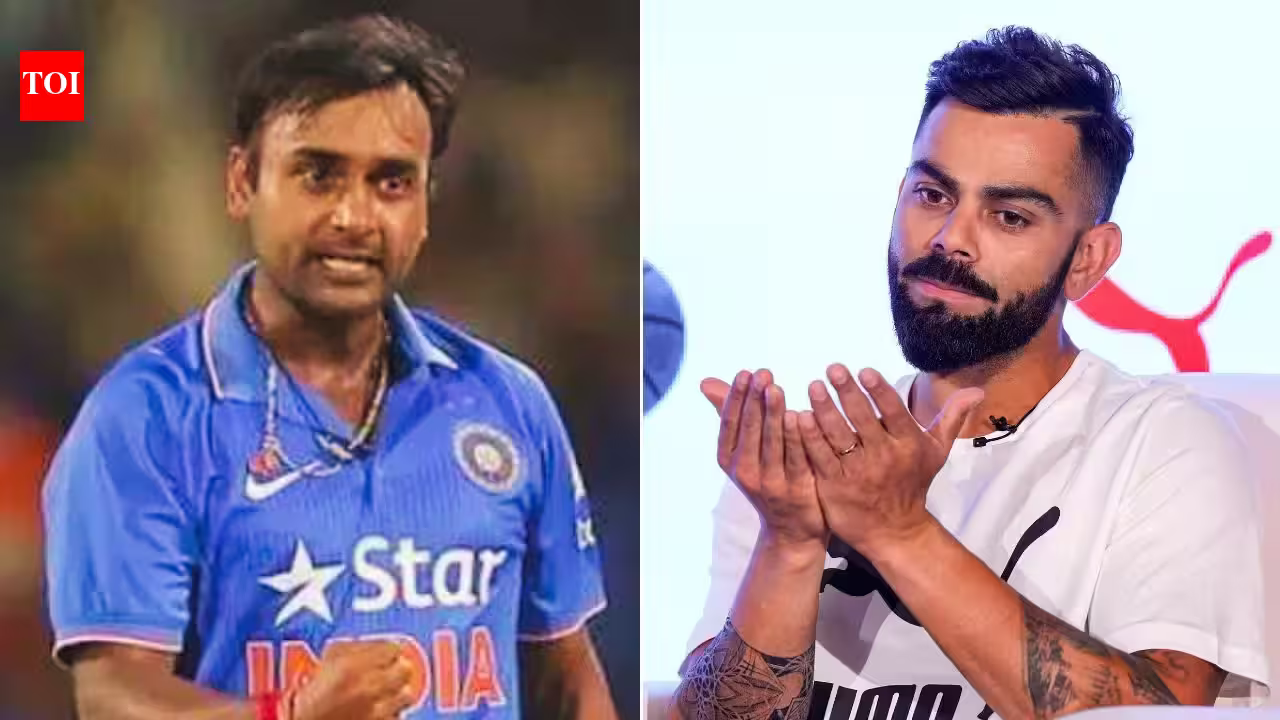
Silence often speaks louder than words in the high-stakes world of international cricket, but for veteran leg-spinner Amit Mishra, the silence from the leadership group left him searching for answers that never came. In a candid and revealing appearance on a podcast hosted by former Indian opener Aakash Chopra, Mishra pulled back the curtain on the abrupt end of his international career, leveling serious allegations against former Indian captain Virat Kohli regarding a broken promise of a national team return.
The narrative centers on a pivotal moment in 2017 during a T20 International against England in Bengaluru. Mishra, then a mainstay in the limited-overs setup, suffered a leg injury that sidelined him during the heat of the series. While injuries are an occupational hazard for any professional athlete, Mishra claims he was given explicit assurances from the highest levels of the team management that his exit from the squad was merely a temporary detour.
The Promise of a Return
According to Mishra, the transition in leadership—with Virat Kohli taking the reins—did not alter the plan for his inclusion. The leg-spinner recounted a clear dialogue with then-head coach Anil Kumble, who urged him to focus solely on his rehabilitation.
“I got my leg injured during that time in Bangalore,” Mishra told Chopra. “When I was leaving after getting injured, Anil Kumble was the coach. So I told Anil Bhai… he said, ‘Don’t worry. As soon as you get fit, you will automatically come back.'”
Mishra claims he sought further confirmation from Kohli, the man who would be tasked with building the Indian team for the future. The response, he says, was equally encouraging. “I also asked Virat Kohli, I said, ‘Brother, what needs to be done?’ He said, ‘You don’t worry. Get fully fit and comfortable, and you are there [in the team].'”
The Sound of Silence
With the roadmap to his comeback seemingly set by the captain and coach, Mishra threw himself into a rigorous recovery program. However, upon returning to full fitness, the camaraderie he felt he had with the team leadership vanished into thin air. The professional rapport was replaced by a digital wall of silence that left the spinner stranded.
Mishra detailed an excruciating period of waiting. After approaching Kohli for a status update, the captain allegedly requested a window of seven to ten days to provide clarity. That window, Mishra claims, stretched into weeks of fruitless attempts to bridge the communication gap.
“One week passed, two weeks passed, three weeks passed, there was absolutely no update from him,” Mishra recalled. “I called him… he did not pick up the call. I messaged him, but there was no reply. I called again, he did not answer. I called twice more, still nothing.”
For a player who had served the country with distinction, being ghosted by the leader of the side proved to be a bitter pill to swallow. Eventually, the realization settled in that his international career had hit a definitive, if unexplained, dead end. “I also let it go. Then I thought, ‘Brother, what can we do?’ When someone does not want you, what can you do?”
A Legacy Questioned
The pain in Mishra’s testimony stems not just from the loss of a spot in the playing XI, but from a perceived lack of parity in how injuries were handled within the dressing room. He pointed to his peers who had navigated more severe injuries and longer rehabilitation periods, only to be welcomed back into the fold seamlessly.
“Players who got more severely injured than you, and were injured for much longer, made their comebacks,” Mishra noted. “Yet, I have never received any answer to this day.”
Mishra’s comments offer a rare, unfiltered look into the complexities of team selection and the interpersonal dynamics that define modern cricket squads. While the selection process is inherently subjective, the expectation of transparency remains a pillar of player-management relations. By bringing these allegations into the public domain, Mishra has ignited a conversation about how elite athletes are treated during their most vulnerable moments—when they are sidelined by physical setback and reliant on the word of those in command.
As of now, there has been no public response from Virat Kohli or the coaching staff from that era regarding these specific claims. However, Mishra’s account serves as a poignant reminder that even at the pinnacle of sport, the transition from being a valued asset to an outsider can happen in the blink of an eye—and sometimes, without a single word of explanation.
Disclaimer: This content is auto-generated for informational purposes only.
Source: Read Original News