







An English Noblewoman on the Tiger’s Trail: Henrietta Herbert’s Extraordinary Expedition Through India
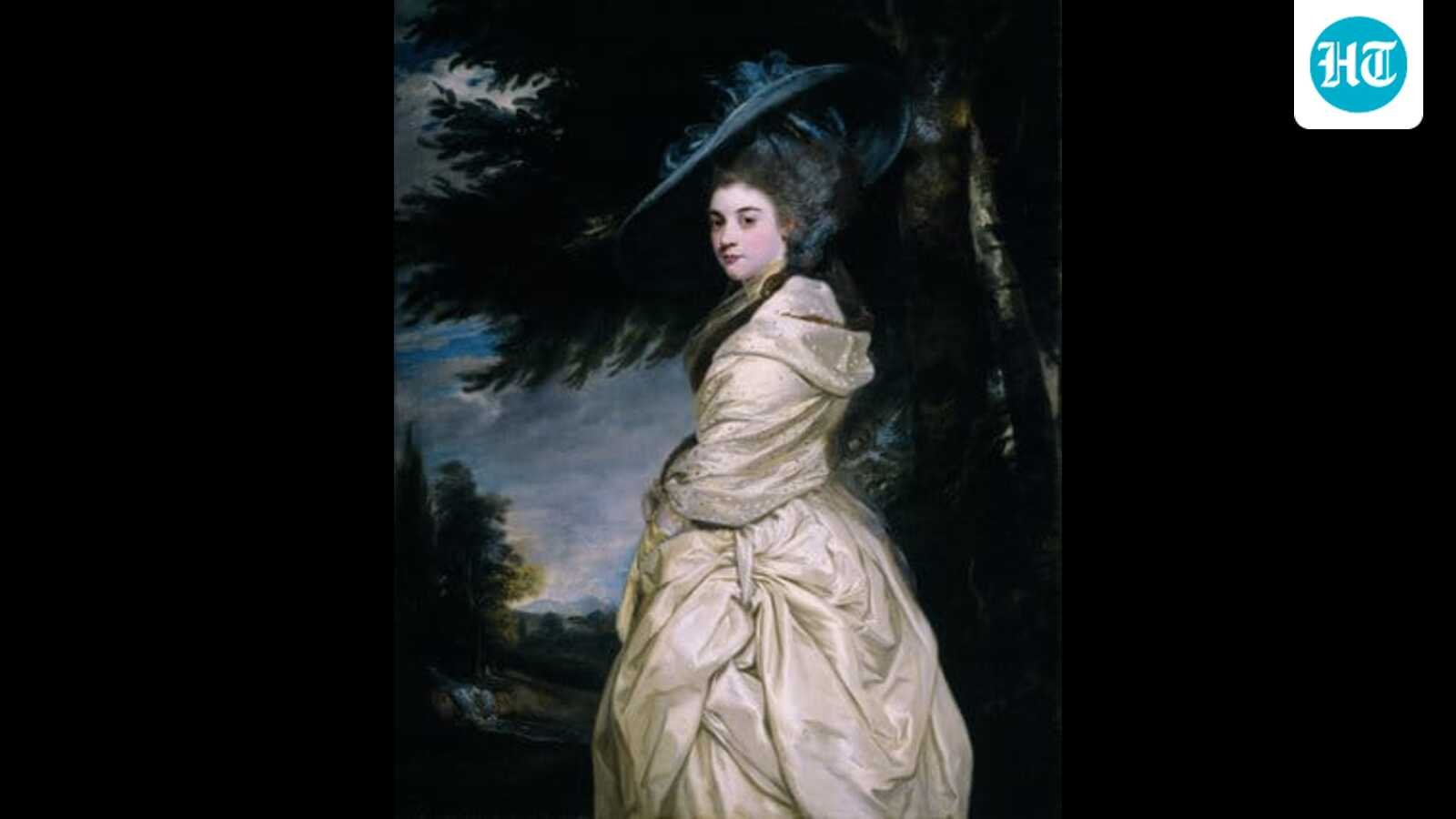
This week marks the 268th anniversary of the birth of Henrietta Herbert, a pioneering botanist and mineral collector whose legacy is inextricably linked to the history of South India. Born into a titled family in Shropshire on September 3, 1758, Henrietta would go on to author some of the earliest and most detailed accounts of India ever penned by a British woman.
Her journals, covering the years 1798 to 1801, provide a unique lens through which we view a pivotal moment in colonial history. Yet, her connection to the subcontinent began long before she set foot on its soil.
A Legacy Intertwined with Empire
Henrietta’s life was tethered to the exploits of the British East India Company (EIC) through her family’s connection to Robert Clive. After his return from India, the wealthy Governor of Bengal bought Henrietta’s childhood home, Oakly Park, in 1771. In 1784, the Herbert and Clive dynasties united when Henrietta married Edward Clive, the son of the 1st Baron Clive. The union served both parties: Edward ascended to become the Earl of Powis, while the Herbert family found relief from significant debts.
In 1798, the couple arrived in India, with Edward appointed as the Governor of Madras. While her husband navigated the high-stakes politics of the EIC at Fort St. George, Henrietta—an intellectually curious noblewoman with a passion for geology and botany—began an unusual, transformative journey.
The Great Expedition
With the Fourth Anglo-Mysore War raging against Tipu Sultan, Henrietta was initially confined to the humid climate of Madras, where she occupied herself by learning Farsi and Hindustani. However, following the fall of Tipu Sultan on May 4, 1799, the Mysore plateau opened up for exploration.
On March 4, 1800, Lady Clive embarked on a remarkable 1,000-mile expedition. Her traveling party was a sight to behold: accompanied by her two young daughters, a governess, and a massive entourage comprising 750 servants, 14 elephants, 100 bullocks, and two camels. The caravan even carried a harp and a pianoforte, ensuring a touch of European refinement remained amidst the rugged landscapes of Vellore, Bangalore, Mysore, and beyond.
Documenting a Changing India
During her seven-month journey, Henrietta meticulously cataloged rocks, minerals, plants, and wildlife, while offering sharp observations on the local culture. She was particularly fixated on the recently defeated Tipu Sultan, documenting the lingering presence of his power—including the blood-stained walls of the Water Gate in Seringapatam where the “Tiger of Mysore” met his end.
Her companion, the Italian portraitist Anna Tonelli, produced numerous sketches during the trip, including the iconic Tipu Sultan Enthroned. The throne, a masterpiece of craftsmanship adorned with jewel-encrusted gold tiger heads, left an indelible mark on the travelers. Henrietta’s daughter, Charlotte (Charly)—who would later become the governess to the future Queen Victoria—noted in her own journal the immense value of the throne, estimated at £120,000 at the time.
Following the dismantling of the throne, one of the exquisite tiger-head finials was gifted to Lady Clive. Today, that artifact remains a centerpiece of the Clive Museum at Powis Castle, a silent witness to the An English noblewoman on the Tiger’s trail that bridged two worlds at the turn of the 19th century.