







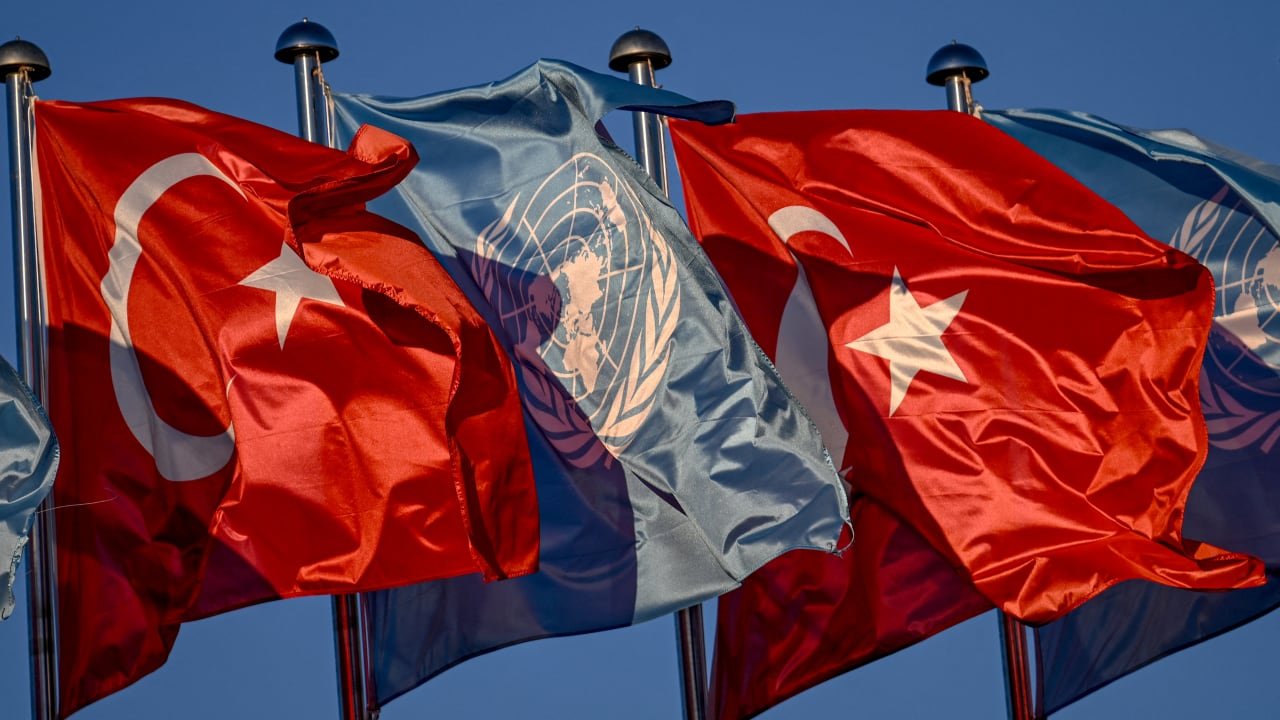
Global leaders and climate experts have gathered on Turkey’s Mediterranean coast for the opening of the COP31 climate summit, facing a sobering reality: the fight against global warming is failing to keep pace with the mounting climate-driven disasters threatening both human life and the stability of the global economy.
The two-week United Nations conference, which began this Monday in the resort city of Antalya, arrives at a moment of significant geopolitical strain. From the ongoing conflict in the Middle East and the economic pressures of soaring global inflation to the rapid, resource-intensive ascent of artificial intelligence, governments are finding their attention fractured. Despite these competing crises, UN Climate Change Executive Secretary Simon Stiell delivered a stark warning during the opening proceedings, stating that current global progress is “nowhere near fast enough.”
The urgency of the summit is underscored by recent data from the United Nations Environment Program, which confirms that the world is on track to overshoot the 1.5°C warming threshold established by the 2015 Paris Agreement—a limit widely considered vital to preventing the most catastrophic climate outcomes. Adding to the gravity of the talks, 2026 is currently trending as one of the four hottest years on record, fueled by a powerful El Niño. The year has already been marked by severe meteorological events, including persistent extreme heatwaves across Western Europe and a devastating glacier collapse in Nepal that triggered flooding, claiming over 1,450 lives and leaving thousands more missing.
Turkey, presiding over this year’s negotiations, has centered the summit’s agenda on a ambitious proposal: to electrify more than a third of the global economy by 2035, a significant increase from the current level of approximately one-fifth. The Turkish presidency is urging nations to sign a pledge to facilitate this transition, which supporters argue will reduce greenhouse gas emissions by shifting transport, heating, and industrial infrastructure away from fossil fuel combustion.
“We want people to feel the results of climate talks in daily life: in buildings that use less energy, in clean public transport, in energy they can afford, and in new jobs,” said COP31 President Murat Kurum.
However, the proposal has already sparked contention. Climate advocates have voiced concerns that the pledge lacks a mandate requiring the increased electricity to be generated from low-carbon sources, potentially allowing countries to fulfill the target using coal or gas-fired power. Critics argue that electrification without a clean power grid represents a superficial solution rather than genuine climate progress.
The backdrop of the summit is undeniably shaped by energy insecurity. Ongoing regional wars—particularly in the Middle East—have disrupted oil shipments through critical transit points like the Strait of Hormuz, driving up fuel prices and fueling a global scramble for energy supplies. While some nations have prioritized renewables as a solution to this volatility, others, including India, Thailand, and South Korea, have reverted to increased coal consumption. Furthermore, the absence of the United States—which is skipping the talks for the second consecutive year—has emboldened some global players to push for the expansion of fossil fuel production to mitigate economic shocks.
Despite these hurdles, there are signs of progress. The falling cost of clean technology, driven by massive exports from China, has accelerated renewable energy deployment globally. Mr. Stiell emphasized that the transition to renewables remains the only viable path to energy security, noting that renewable installations have already saved the global economy hundreds of billions of dollars.
As the summit proceeds, delegates will also grapple with the environmental impact of AI. The massive computational demands of modern artificial intelligence are driving a surge in energy consumption, complicating efforts to decarbonize. Turkey is seeking a formal commitment from nations and institutions to ensure that the development of these technologies is conducted sustainably.
“Paris is working,” said Australia’s COP31 negotiation president, Chris Bowen, acknowledging the framework of the 2015 accords. “But we must move faster.”
Disclaimer: This content is auto-generated for informational purposes only.
Source: Read Original News