









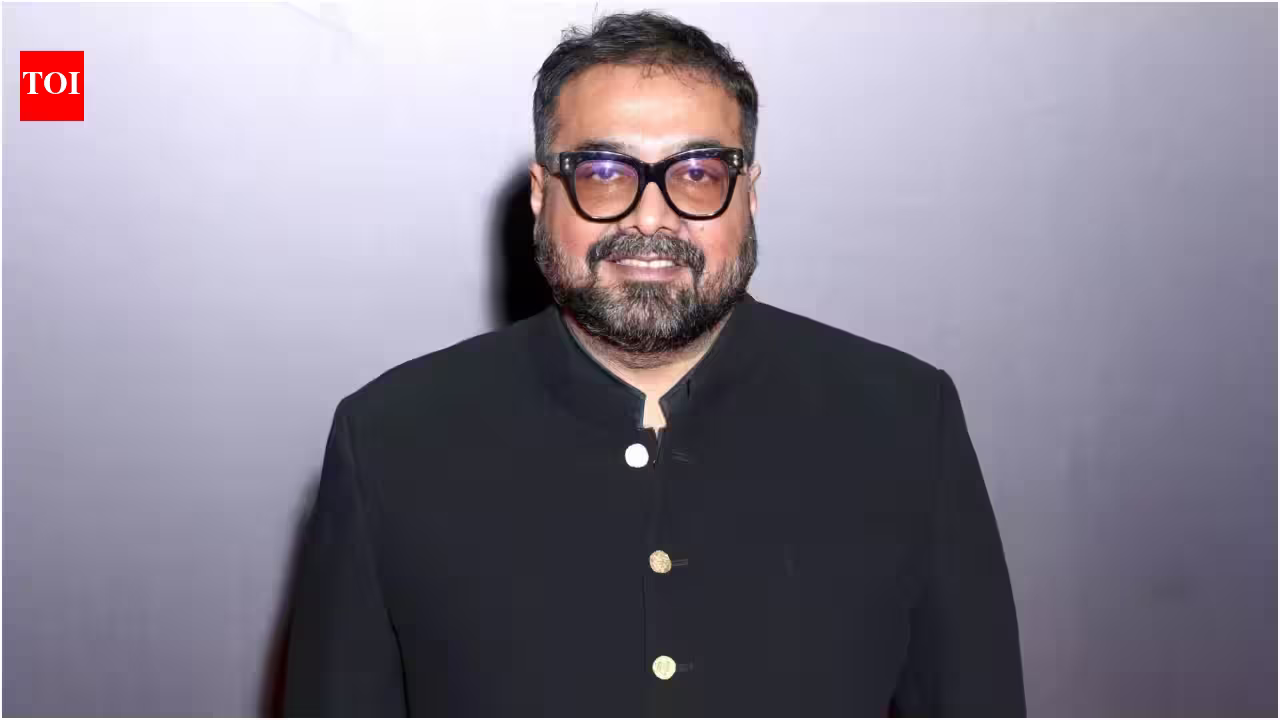
Filmmaker Anurag Kashyap, known for his outspoken observations on the intricacies of the Indian film industry, has once again shed light on the divergent approaches of Bollywood and its Southern counterparts when it comes to navigating external pressures. Kashyap posits that the susceptibility of Bollywood to external influence stems from a foundational compromise, a yielding to demands that, once made, creates a perilous precedent. He emphasizes that this initial capitulation is often accompanied by significant, almost irresistible, rewards, making it exceedingly difficult to subsequently resist further concessions. This cycle, he argues, ensnares those who partake, making retreat a formidable challenge.
Kashyap elaborated on this dynamic during a conversation with Janice Sequeira, asserting that these compromises are rarely a matter of genuine choice. Instead, they become an ingrained pattern once the initial demand is met. The allure of the immediate benefits associated with bending to power creates a self-perpetuating cycle, where individuals find themselves increasingly entrenched and less able to reverse course. He suggests that the prospect of substantial gains, whether financial or otherwise, makes the initial compromise a powerful gateway to continued acquiescence.
Drawing a stark contrast, Kashyap explained that the regional strength and deeply rooted cultural identities of the South Indian film industries provide them with a crucial buffer. These industries, he noted, possess a robust cultural foundation that resists division and outside manipulation. Crucially, their less reliance on Hindi-speaking audiences for their commercial success grants them a significant degree of independence. Unlike parts of Bollywood, which actively seek to penetrate the Hindi market, South Indian cinema’s self-sufficiency allows it to remain largely impervious to the same pressures that compel segments of the Hindi industry to compromise. It is primarily those striving to make an impact with Hindi audiences, he believes, who find themselves in a position where they are compelled to bend.
Kashyap further revealed that this phenomenon is not a secret within the industry. He indicated that many within Bollywood are acutely aware of these compromises and the long-term implications. Despite this awareness, there’s a pervasive sense of powerlessness. He stated that while many feel embarrassed or even ashamed by these concessions, the ingrained nature of the system makes it nearly impossible to collectively resist. Individual actions against such pressures are rare unless specifically mandated, highlighting the systemic nature of the issue.
In terms of his recent professional endeavors, Anurag Kashyap’s latest directorial venture, “Bandar,” produced by Nikhil Dwivedi under his Saffron Magicworks banner, featured Bobby Deol in the leading role. The film also boasted a talented ensemble cast including Sanya Malhotra, Sapna Pabbi, Saba Azad, Indrajith Sukumaran, Raj B. Shetty, and Jitendra Joshi. While critics largely lauded “Bandar” as a significant return to form for Kashyap, the film unfortunately did not translate its critical acclaim into substantial box office success, a common narrative in the ever-unpredictable world of entertainment.