







DeLuca’s Italian Restaurant owner Robert DeLuca discusses running a small business in New York, citing policy shifts, rising labor costs and the impact of tax cuts on ‘FOX Business In Depth.’
A proposal backed by Rep. Alexandria Ocasio-Cortez to raise the federal minimum wage to $25 an hour is drawing warnings from economists, who say the plan could squeeze small businesses and hit red states hardest.
Because many red states remain near the $7.25 federal floor, the move would more than triple wages in those regions — a jump economists say could be harder for small businesses to absorb, raising the risk of higher prices, reduced hiring and broader economic strain.
“That’s one of the common fallacies people fall into. Many believe raising the minimum wage will solve everything, that wages will go up while prices stay the same,” Santiago Vidal Calvo, a policy analyst at the Manhattan Institute, told Fox News Digital. “But that’s Econ 101, it doesn’t work that way.”
AOC-BACKED $25 MINIMUM WAGE PLAN SOUNDS GREAT — BUT AT WHAT COST?
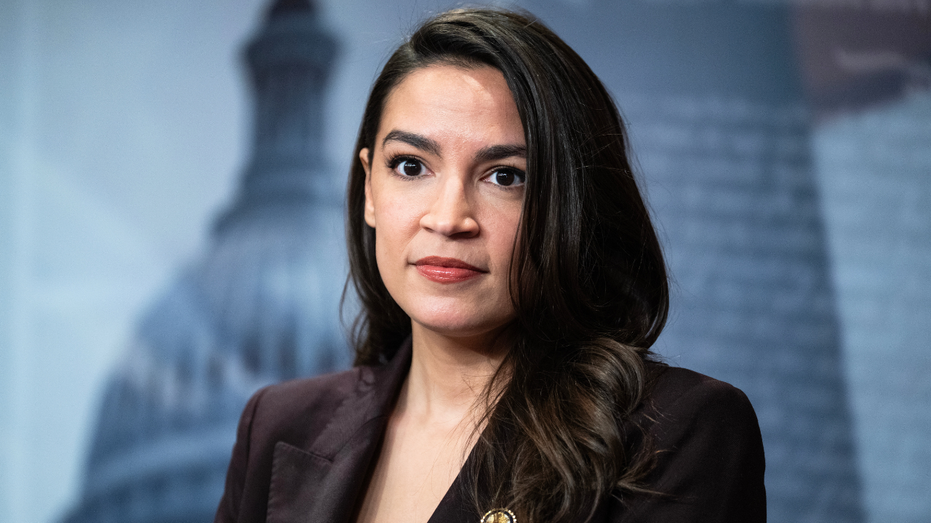
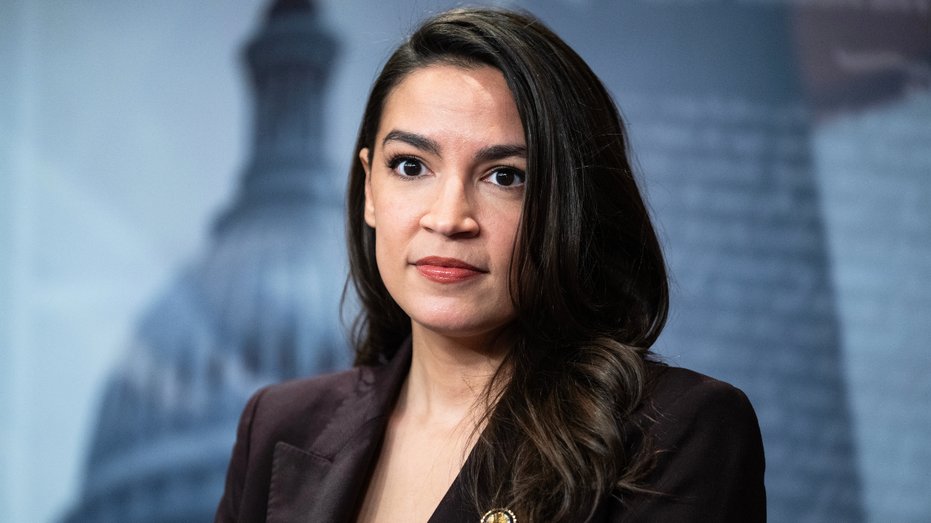
Rep. Alexandria Ocasio-Cortez, D-N.Y., has called for raising the federal minimum wage to address affordability concerns. (Tom Williams/CQ-Roll Call/Getty Images / Getty Images)
He warned the proposal could disproportionately impact younger and low-income workers as businesses move to offset higher labor costs by cutting hours, reducing jobs or turning to automation.
Rebekah Paxton, research director at the Employment Policies Institute, said opposition to steep wage hikes is widespread among economists.
“We surveyed more than 160 American economists and found that 96% opposed proposals above $20 an hour,” Paxton told Fox News Digital, adding that concerns are especially pronounced in thin-margin industries like hospitality and restaurants, where higher labor costs could lead to job losses and make it harder for businesses to operate.
ONE LITTLE-KNOWN MEETING HELPS DECIDE WHAT AMERICANS CAN AFFORD — AND WHAT THEY CAN’T
Nicole Huyer, a senior research associate at the Thomas A. Roe Institute for Economic Policy Studies, said those pressures could force businesses to make tough decisions.
“Small businesses will look to cut costs by any means necessary,” Huyer said. “That includes raising prices, laying off workers, cutting hours or relocating altogether.”
The federal minimum wage has remained at $7.25 an hour since 2009, even as some states have pushed base pay above $15 — widening the gap between higher- and lower-wage economies.
States like California and New York now mandate minimum wages above $16 an hour, while others, including Texas and North Dakota, remain at the federal baseline. Economists also warn higher labor costs could accelerate automation in industries like retail and fast food, where margins are thin and entry-level jobs are common.
CLICK HERE TO GET FOX BUSINESS ON THE GO

Experts warn that hiking the federal minimum wage to $20 an hour will hurt small businesses. (Jeffrey Greenberg/Universal Images Group/Getty Images / Getty Images)
Small business owners in lower-wage states may be particularly vulnerable, as they often operate with tighter margins and less ability to absorb sudden cost increases than firms in higher-cost regions.
As proposals to raise the federal minimum wage gain traction, the debate is likely to intensify over whether a single national standard can account for wide differences in state economies, or whether wage policy is better left to the states.