







Why the iPhone 17 Remains a Top-Tier Choice Despite Looming Upgrades
In the fast-paced world of smartphone hardware, the conventional wisdom for tech enthusiasts has always been the same: if it’s August, don’t buy a new iPhone—just wait for the September keynote. However, as we approach the final stretch of 2026, the industry landscape has shifted. With the next-generation iPhone 18 not expected to launch until March 2027, the current iPhone 17 is proving to be a surprisingly resilient contender, making it a compelling purchase for those in need of an upgrade today.
A Proven Performer
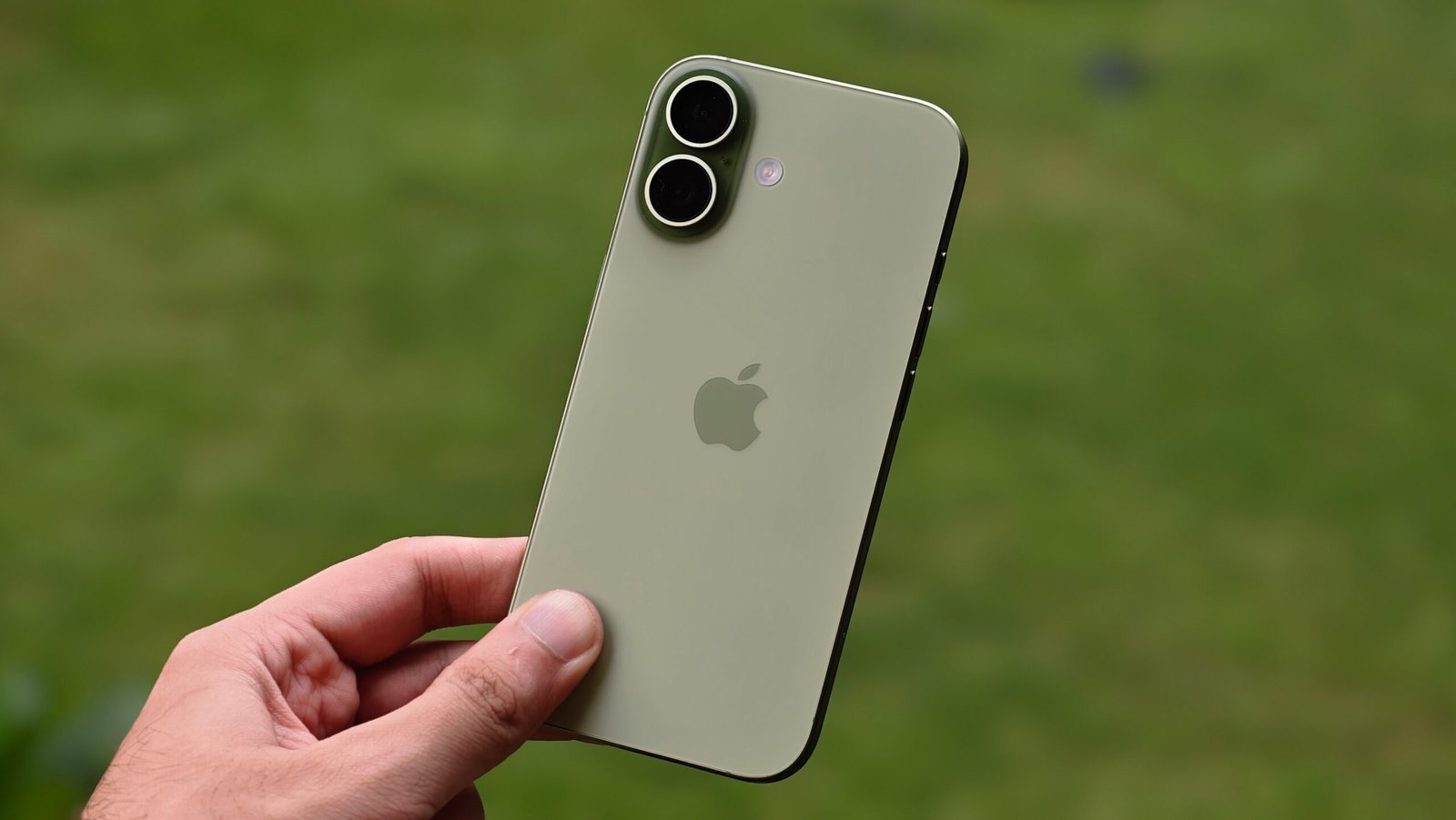
The iPhone 17 bridged the gap between Apple’s entry-level handsets and its premium Pro lineup last year, introducing long-overdue display upgrades and significant camera improvements. With features like Center Stage and Dual Capture now standard across the entire lineup, the device offers a level of value that remains difficult to beat.
While Samsung and Google have been forced to hike the prices of their entry-level models due to a global surge in RAM costs—driven largely by the demands of AI and data center expansion—the iPhone 17 has managed to maintain its standing as the most affordable entry-level flagship on the market.
Display and Durability
One of the most immediate upgrades users experience with the iPhone 17 is the 120Hz refresh rate display, which finally matches the performance of Apple’s Pro models and Android rivals. The screen is not only smoother but also brighter and less reflective, making it a joy to use in direct sunlight. Combined with Apple’s Ceramic Shield 2 glass, the build quality has proven to be exceptionally rugged, standing up well to the rigors of daily, case-free usage.
A Masterclass in Selfie Tech
Perhaps the most understated improvement is the 18-megapixel square sensor for the front-facing camera. Beyond the megapixel count, the sensor’s architecture allows for landscape selfies without rotating the device and enables “Center Stage,” which automatically tracks the subject during video calls. For users—particularly those managing physical limitations like hand tremors—the enhanced stabilization in the front camera has been a transformative addition, ensuring crisp, steady video that was previously difficult to capture.
The Software Challenge
While the hardware shines, the current software experience on iOS 26 has seen its share of growing pains. Users have reported issues with system volume inconsistency, keyboard lag, and awkward Control Center behavior in landscape mode. Fortunately, the upcoming iOS 27 update, currently in public beta, appears to address these flaws, introducing better volume management, optimized horizontal controls, and new generative AI-powered features like spatial reframing.
Should You Wait for the Future?
With rumors swirling about a potential price hike for the upcoming flagship series, the $799 price point of the iPhone 17 feels like an increasingly safe harbor. Reports suggest that the future iPhone 18 may not represent a massive leap forward for the base model, potentially even adopting a lower-cost “18E” approach that lacks the power of its Pro siblings.
For many, the question of whether the iPhone 17 is still worth it has a clear answer: yes. Given the combination of stable performance, high-end display tech, and the uncertainty surrounding future pricing, picking up the iPhone 17 now is a sound strategy for those who want a reliable, top-tier device without waiting half a year for the next iteration.