







The Engineering Challenge of the iPhone Duo
The introduction of the iPhone Duo marks a significant shift in Apple’s mobile hardware strategy. For years, the industry has watched competitors navigate the complexities of foldable screen technology, addressing issues ranging from hinge fatigue to display degradation. While Apple has remained characteristically silent regarding the specific technical specifications of its proprietary hinge mechanism, the device has finally entered the hands of testers. Unlike traditional smartphones that rely on rigid chassis construction, the iPhone Duo necessitates a complex mechanical junction that allows for seamless folding while maintaining the structural integrity required for long-term daily use.
In the mobile industry, the hinge is the primary failure point for any foldable device. Apple has approached this challenge by integrating a sophisticated internal architecture designed to withstand tens of thousands of cycles. Because Apple has not released an official “rated” fold count—a metric often utilized by competitors to verify longevity—independent durability assessments have become the primary source of information for consumers curious about the device’s lifespan.
Empirical Testing and Hinge Resilience
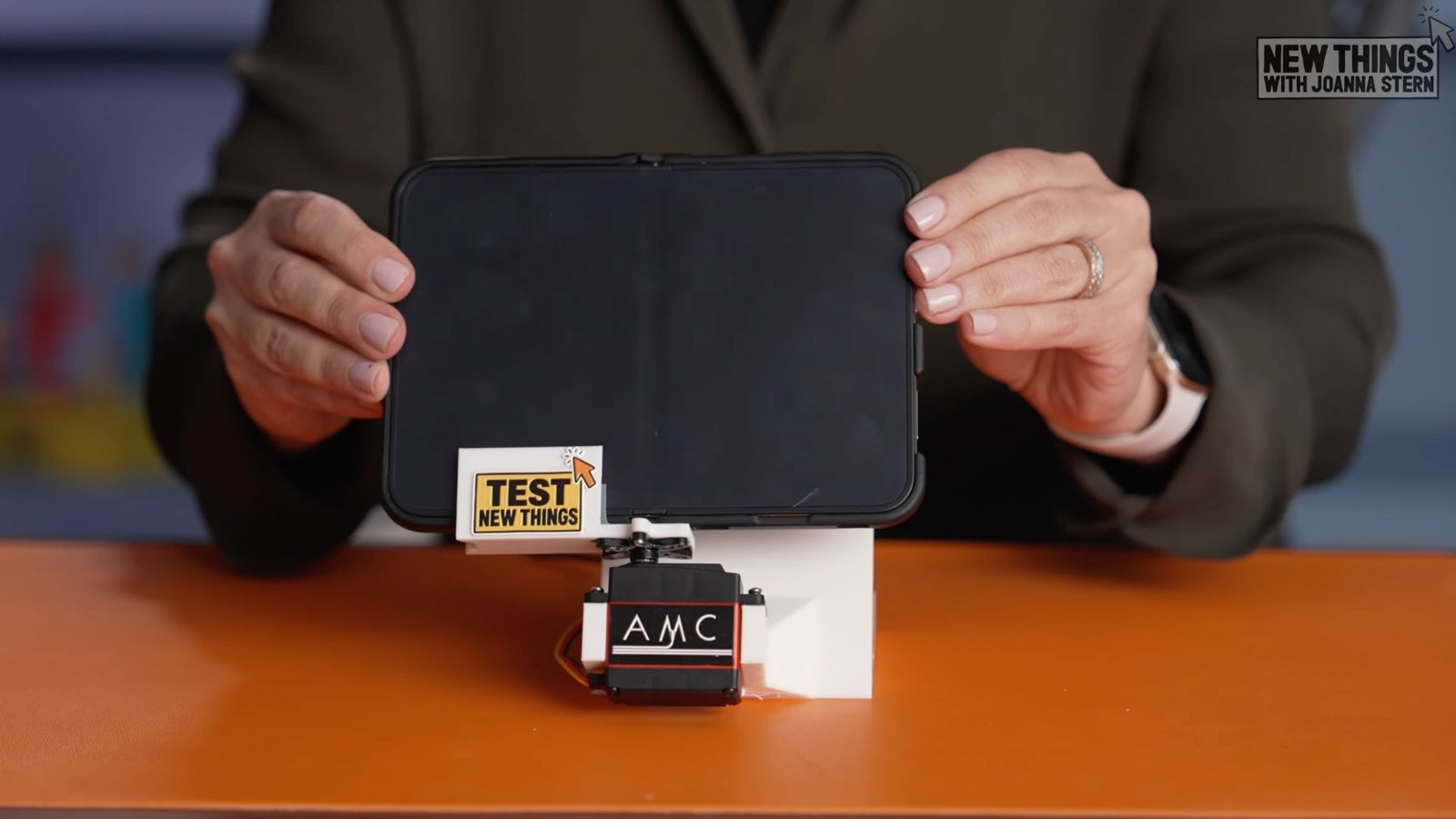
Recent independent stress testing has provided the first real-world data regarding the durability of the iPhone Duo. Using a custom-built mechanical apparatus, technology analyst Joanna Stern subjected a retail unit to 32,000 continuous folding cycles over a four-night period. This methodology provides a controlled simulation of long-term usage, far exceeding the repetitive motions a typical user might perform in a week or even a month.
Perhaps the most surprising finding from this assessment was the consistency of the hardware. While subjective tactile feedback during the testing process suggested a potential loosening in the hinge mechanism, objective measurement instruments told a different story. Utilizing a calibrated push-pull gauge, testers recorded the mechanical resistance of the device before and after the 32,000-fold sequence. The data indicated that the hinge did not degrade in the manner typical of early-generation foldable devices; rather, the measured resistance remained stable and, in some metrics, actually exhibited increased stiffness. This suggests that Apple’s engineering team has prioritized wear resistance in the internal gears and tension components, ensuring that the device maintains its structural shape throughout its intended functional life.
Comparison to Industry Benchmarks
To understand the context of the iPhone Duo’s performance, one must look at existing industry standards. Competitors, most notably Samsung with its Galaxy Z Fold series, have long championed high-cycle testing to demonstrate device reliability. Samsung’s official testing protocols often cite figures in the range of 500,000 folds for its recent displays. Based on a usage pattern of 100 to 200 folds per day, such a rating suggests a multi-year service life that spans the duration of a standard consumer upgrade cycle.
While the 32,000-fold test performed on the iPhone Duo is significantly lower in total count than official manufacturer claims for other devices, it serves as a critical baseline. The fact that the device demonstrated no detectable loss of tension or structural failure after 32,000 cycles suggests that the underlying materials science is robust. While Apple has yet to issue an official statement regarding expected fold counts, this early data indicates that the iPhone Duo is engineered to withstand substantial mechanical stress, mitigating concerns about premature hinge fatigue that hindered earlier foldable technology in the broader market.
Design Considerations and Limitations
It is important to note the limitations of current unofficial stress testing. In the recent assessment, the device was equipped with a protective case, and the mechanical arm did not force the device into a fully closed state during every cycle. These factors likely influenced the results, as internal stress profiles change based on whether a device is held in a case or whether the hinge is pushed to its absolute limit of compression. Furthermore, the test did not explicitly measure the development of a “crease” in the display panel. On many foldable devices, the crease is a visual byproduct of the display material being stretched over the fold, rather than a failure of the mechanical hinge itself.
As the iPhone Duo reaches a wider consumer base, these variables will become more transparent. The success of a foldable device relies not only on the mechanical hinge but also on the fatigue characteristics of the display substrate and the protective layer covering it. Apple’s transition to this form factor represents a high-stakes investment in mechanical design, and observers are now focused on how the device handles environmental factors such as dust ingress and temperature fluctuations, which remain significant variables in the performance of any hinged smartphone.
Market Impact and Future Outlook
The arrival of the iPhone Duo has been accompanied by intense interest and significant logistical hurdles. Reports indicate that Apple faces considerable supply chain constraints, with retail staff being advised to manage consumer expectations regarding availability. The decision to initiate pre-orders in the face of these supply challenges has drawn criticism from industry analysts, who suggest that the demand for the device significantly outstrips current production capacity.
Despite these launch-day difficulties, the technical performance of the iPhone Duo sets a new standard for the brand’s entry into foldable technology. By focusing on hinge stability and providing a refined user interface that accommodates the flexible display, Apple is positioning the Duo as a mature product rather than an experimental one. As more users begin to incorporate the device into their daily workflows, the real-world data regarding long-term reliability will continue to emerge. For now, the initial mechanical assessments suggest that the iPhone Duo is a capable piece of engineering, marking a successful, if supply-constrained, debut for Apple’s latest hardware category.
Disclaimer: This content is auto-generated for informational purposes only.
Source: Read Original News