









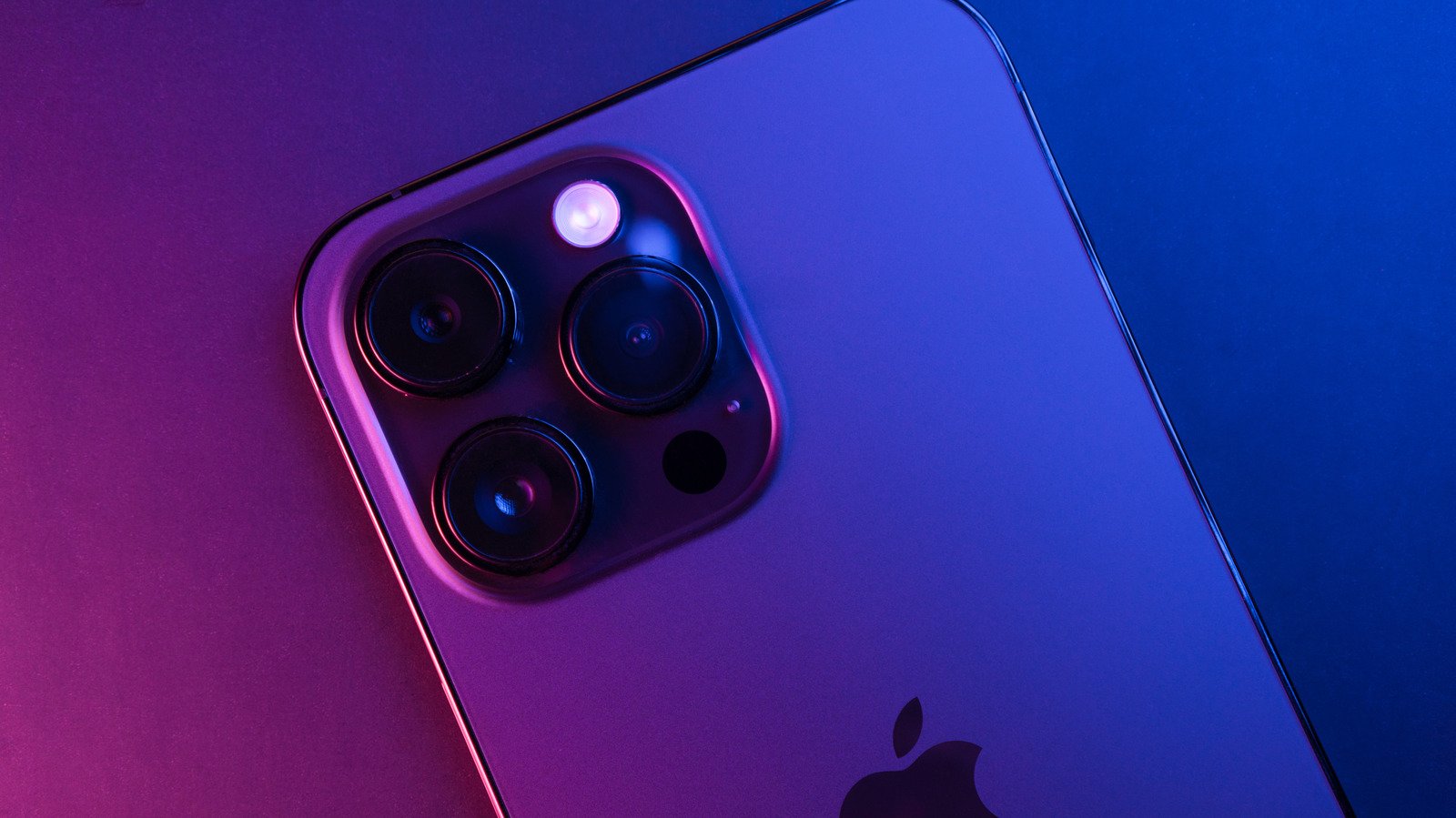
The Evolution of Apple’s Design Strategy
Apple has increasingly shifted toward a bifurcated release cycle, separating its hardware announcements into two distinct phases. While the premium iPhone 18 Pro and the iPhone Duo series captured the spotlight during the traditional September launch window, upcoming reports indicate that the company is preparing significant updates for its mid-range and entry-level offerings. These spring-bound updates, specifically the iPhone 18e, the base iPhone 18, and the iPhone Air 2, suggest that Apple is narrowing the design gap between its affordable hardware and its high-end flagships.
Leaked computer-aided design (CAD) files provide a glimpse into these changes, revealing a concerted effort to standardize the visual identity of the brand’s lower-priced devices. By aligning the external aesthetics—specifically the rear camera arrangements—with the hardware language used in the Pro series, Apple is addressing consumer feedback regarding the perceived value and sophistication of its budget-friendly devices. These insights, sourced from supply chain channels with a history of accurate projections, suggest that the spring lineup will move away from the flush-lens designs that have characterized the entry-level models for several years.
Redesigning the Camera Plateau
Perhaps the most notable hardware modification planned for the iPhone 18e is the transition to a dedicated camera plateau. The current iPhone 17e utilizes a flush rear design where the lens, LED flash, and microphone are embedded directly into the back glass. This aesthetic, while minimalist, distinguishes the device from the more prominent, raised camera modules found on Pro models.
The leaked CAD images reveal a shift toward a square, raised island measuring approximately 28 mm by 35 mm. This new module houses the primary lens, the LED flash, and the rear microphone, echoing the design philosophy recently adopted for the M5 iPad Pro. This change serves both a functional and a visual purpose. By consolidating the optical components into a raised plateau, Apple appears to be prioritizing a uniform design language across its entire mobile portfolio. While this modification is currently exclusive to the 18e, it signals a broader movement toward more substantial, unified camera housings even in the entry-tier segment.
Upgrades to the Base iPhone 18 and Sensor Evolution
The base iPhone 18 is also set to receive subtle yet impactful hardware adjustments. While the overall chassis design remains largely consistent with its predecessor, the camera module itself is undergoing a physical transformation. The thickness of the module is expected to increase from 3.45 mm to 3.8 mm, representing a measurable deviation in the physical footprint of the phone’s primary imaging hardware.
This increased depth is of particular interest to industry observers. Given that Apple has maintained the 48-megapixel Sony IMX904 sensor for the base models since the introduction of the iPhone 15, the decision to enlarge the housing suggests that updated sensor technology may be on the horizon. A deeper housing allows for more complex lens architecture, potentially facilitating larger apertures, improved light intake, or enhanced optical stabilization. By deepening the module, Apple may be creating the necessary space for higher-performance sensors that were previously incompatible with the shallower dimensions of the older module design.
Advancements in the iPhone Air 2
The second-generation iPhone Air represents a critical pivot for Apple’s ultra-thin smartphone category. When the original Air model launched, a primary point of criticism was its reliance on a single-lens system, which limited its utility in a market where multi-camera arrays are standard. The CAD files for the iPhone Air 2 provide definitive evidence that Apple intends to remedy this by introducing a second rear-facing camera.
Despite the device maintaining its ultra-thin 5.6 mm profile, the camera module will mirror the increased thickness seen in the base iPhone 18, rising to 3.8 mm to accommodate the new optics. The design places the two lenses in a horizontal alignment. Industry reports, supported by consistent leaks from analysts and hardware industry insiders, indicate that this addition will be an ultra-wide sensor. By bringing dual-camera functionality to the ultra-thin form factor, Apple is attempting to balance the physical appeal of a slender device with the functional requirements of contemporary mobile photography, ensuring that users do not have to sacrifice image versatility for thinness.
Strategic Implications and Display Limitations
Despite the meaningful updates to camera hardware and aesthetics, the spring lineup will maintain some limitations to preserve the status of the Pro-tier models. CAD data indicates that both the base iPhone 18 and the iPhone Air 2 will retain the existing Dynamic Island architecture. This serves as a reminder of the intentional segmentation in Apple’s roadmap; the significantly smaller, refined cutout seen on the iPhone 18 Pro remains a premium feature reserved for the flagship experience.
These design decisions reflect a carefully calculated strategy to provide incremental improvements that justify a new purchase while maintaining clear delineations between product tiers. The shift toward more robust camera modules and the integration of dual-lens systems in thinner devices demonstrates that the company is responding to user demand for better performance. While these designs are subject to change as the spring production cycle continues, they represent a clear intent to elevate the baseline specifications of the iPhone ecosystem, ensuring that even the most affordable devices remain competitive in an increasingly demanding hardware landscape.
Disclaimer: This content is auto-generated for informational purposes only.
Source: Read Original News