







A Major Shift in Apple’s Hardware Philosophy
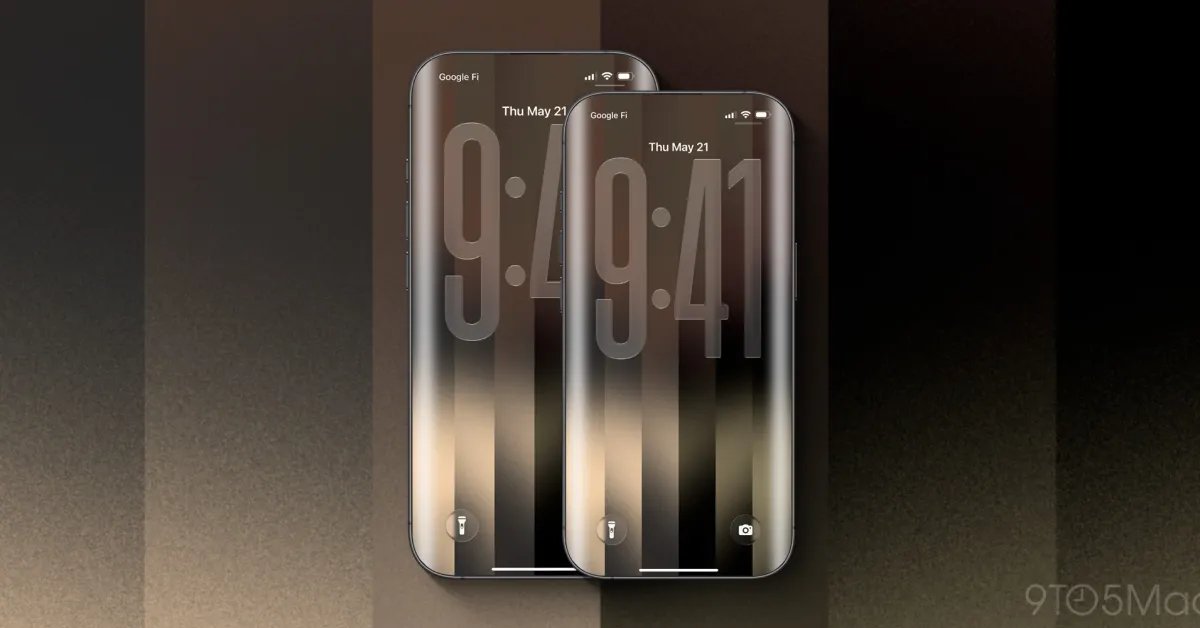
As the technology industry approaches 2027, anticipation is building for the 20th anniversary of the iPhone. History suggests that Apple reserves significant design pivots for these milestone markers, much like the introduction of the iPhone X in 2017. Current reports indicate that the upcoming iPhone Pro models will feature a radical departure from the current aesthetic, moving toward a “bezel-free” design language. Central to this transformation is the rumored adoption of quad-curved displays, which would wrap the screen around all four edges of the device.
However, a design overhaul of this magnitude often requires the sacrifice of existing physical components. Emerging reports suggest that Apple is planning to remove the dedicated Action button from its high-end lineup. This physical switch, which replaced the iconic mute toggle just a few years ago, provided users with a customizable shortcut for various system tasks. Its potential removal signals a transition toward a more streamlined, button-less architecture that relies heavily on integrated, multi-functional controls.
The Integration of Camera Control
The loss of the Action button does not imply a total surrender of its functionality. According to technical leaks, Apple intends to consolidate user-defined inputs into the existing Camera Control module. While the Action button served as a dedicated hardware trigger for specific actions—such as launching the flashlight, recording voice memos, or activating shortcuts—the Camera Control button is expected to absorb these capabilities through more sophisticated software layering.
In this proposed setup, the Camera Control button would maintain its primary function of launching the imaging interface with a standard press. A secondary, long-press interaction would be mapped to the tasks formerly assigned to the Action button. This consolidation logic is consistent with Apple’s long-term strategy of minimizing the number of physical apertures and protrusions on the phone’s chassis, contributing to a cleaner, more cohesive industrial design.
Design and Display Evolution
The shift away from the Action button is not merely an aesthetic choice; it is a structural necessity dictated by the new display technology. Implementing a quad-curved screen requires a significant rethinking of the frame’s structural integrity. By removing physical switches along the rails of the device, Apple creates more room for the advanced display circuitry and touch-sensitive pathways required to achieve the wraparound look.
Industry analysts suggest that these Pro models will also see an increase in overall screen size, pushing the boundaries of what is considered an ergonomic handheld device. The focus on a “borderless” appearance suggests that Apple is prioritizing visual immersion over the tactile feedback provided by mechanical buttons. This approach aligns with the company’s historical preference for minimizing hardware complexity, pushing users instead toward gesture-based navigation and software-driven interface control.
Impact on User Workflow
The removal of the Action button will likely cause friction for power users who have grown accustomed to the instant, physical trigger for frequently used tools. Critics of the change argue that dedicated physical buttons offer a level of reliability and speed that screen-based or multi-function hardware controls cannot replicate. Relying on a long-press interaction on the Camera Control button introduces a layer of complexity; a user must intentionally hold the button rather than tapping it, which could inadvertently trigger the camera app if not programmed with precision.
Conversely, for the average user, this reduction in physical buttons contributes to a more durable device. Fewer mechanical parts typically result in a tighter seal for water and dust resistance and a more uniform chassis. As Apple moves to unify the functionality of the iPhone Pro and future iterations of the iPhone Duo, the company is betting that software-driven flexibility will eventually outweigh the utility of a single-purpose physical switch.
The Future of Apple’s Interface Strategy
The transition toward a unified control scheme suggests that Apple is moving closer to the “button-less” dream that hardware designers have pursued for over a decade. By layering functionality onto the Camera Control button, Apple creates a hierarchy of input. The primary press remains fast and accessible for the camera, while secondary actions are tucked into long-press or gesture-based inputs.
This evolution is indicative of a broader trend: as smartphones become more sophisticated, the hardware is becoming a substrate for software. The decision to retire the Action button marks the end of a short-lived era for that specific component, but it also opens the door to more fluid, context-aware interaction models. As the 20th-anniversary iPhone nears, the primary question for consumers will be whether these hardware sacrifices truly improve the daily experience or if they complicate simple tasks in favor of a sleek, minimalist silhouette. Regardless of the outcome, the hardware choices made for the 2027 Pro lineup will likely dictate the direction of mobile design for the next five years.
Disclaimer: This content is auto-generated for informational purposes only.
Source: Read Original News