







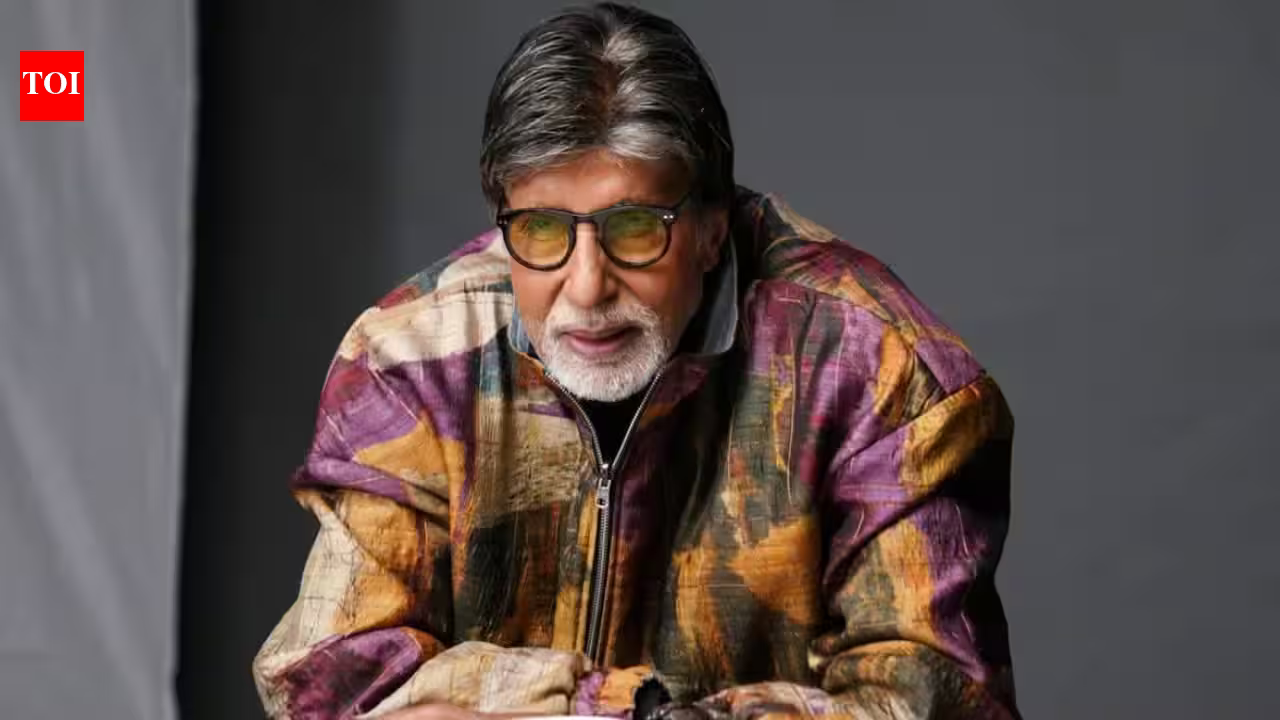
In the age of deepfakes, AI-generated content, and the relentless churn of the digital attention economy, the concept of “identity” has become the new frontier of legal warfare. For Bollywood’s living legend Amitabh Bachchan, his name, his voice, and that iconic, baritone gravitas are more than just personal attributes—they are global cultural assets. This week, those assets received a massive, precedent-setting shield from the Delhi High Court.
In a sweeping legal victory, Justice Purushaindra Kumar Kaurav has passed a decree that effectively puts the world on notice: if you want to use the “Big B” brand for your bottom line, you had better get permission first. The court’s ruling serves as a stern reminder that even for a star who has spent five decades in the public eye, there is a boundary between fame and property—and crossing it now carries a clear legal cost.
The Digital Wild West: Why Big B Took a Stand
For years, Bachchan’s likeness has been the primary tool for a specific brand of digital deception. We have all seen them: the WhatsApp messages promising a massive windfall from a fake Kaun Banega Crorepati lottery; the dubious mobile apps promising a “video call” with the star; or the cheap, bootleg merchandise flooding e-commerce platforms featuring his silhouette.
These weren’t just harmless fan tributes. To the legal teams representing Bachchan, these instances represented a coordinated effort to siphon off the actor’s hard-earned brand equity. By linking his face to products, services, and scams, these entities were essentially hijacking his reputation to trick the public. The lawsuit was never just about a minor copyright infringement; it was a proactive strike to protect the integrity of a persona that defines Indian cinema for millions.
A Two-Tiered Legal Victory
The Delhi High Court’s ruling is structurally significant because it handles the various defendants in two distinct ways, showcasing how the law can adapt to both cooperative and recalcitrant entities.
Four of the defendants—those who clearly saw the writing on the wall—chose to settle. They acknowledged that Bachchan’s publicity rights and privacy are non-negotiable. They have officially bowed out of the “using-Big-B-for-profit” game, signing agreements that legally bind them from ever using his voice, likeness, or name without express authorization.
However, the court was equally decisive with the four defendants who chose to ignore the summons entirely. By invoking Order VIII Rule 10 of the Code of Civil Procedure, Justice Kaurav passed a decree against them despite their non-appearance. The court wisely noted that when the facts of exploitation are clear, there is no need to drag the process through years of tedious, unnecessary trial. If you ignore the court while profiting off a legend, the court will simply decide without you.
The “John Doe” Factor: Policing the Invisible
Perhaps the most forward-thinking aspect of this ruling is its reach beyond named defendants. The court has extended its protection to include “John Does”—the faceless entities that operate through burner websites, anonymous apps, and ephemeral social media accounts.
In the digital era, the ability to disappear behind a screen is the primary weapon of identity thieves. By including these unidentified parties in the decree, the Delhi High Court has provided a framework for future protection. It acknowledges the “continuing pattern” of exploitation that characterizes the internet. Should a new website pop up tomorrow using an AI-synthesized version of Bachchan’s voice to hawk herbal supplements, the legal groundwork is already laid to shut it down. It is a vital safeguard in an era where technology makes it terrifyingly easy to clone a human being’s presence.
Personality Rights: The New Standard for Bollywood
This case is a bellwether for the Indian entertainment industry. For a long time, the “personality rights” of Indian celebrities were treated as a gray area—an unofficial tax on fame. If you were a movie star, people assumed your face was public domain, fair game for anyone with a printing press or a web server.
Bachchan’s win signals a definitive shift. It elevates the legal status of a celebrity’s persona to that of a high-value asset, akin to a registered trademark or a patent. This ruling will undoubtedly empower other A-list stars who have watched in frustration as their likenesses are used to push everything from betting apps to political narratives.
The Bottom Line: Respecting the Brand
Ultimately, the decree isn’t about stifling creativity or preventing genuine fan appreciation. It is about the fundamental right to control one’s own commercial narrative. Amitabh Bachchan has spent 50 years curating an image characterized by professionalism, intelligence, and dignity. Allowing random commercial entities to co-opt that image—often for fraudulent purposes—is a violation of his autonomy.
As we move further into a world where digital avatars and AI impersonations blur the lines between reality and simulation, the Delhi High Court’s decision is a timely anchor. It reminds us that behind the screen, the posters, and the lottery scams, there is a real person with a real right to say, “No, you cannot use me to sell that.”
For Bachchan, the courtroom battle may be over for now, but the precedent remains a permanent fixture. Any business looking to leverage the aura of the Shahenshah of Bollywood would do well to remember: the name is copyrighted, the face is protected, and the silence is expensive.
Disclaimer: This content is auto-generated for informational purposes only.
Source: Read Original News