







Analyzing the Hardware Specifications of the iPhone 18 Pro Series
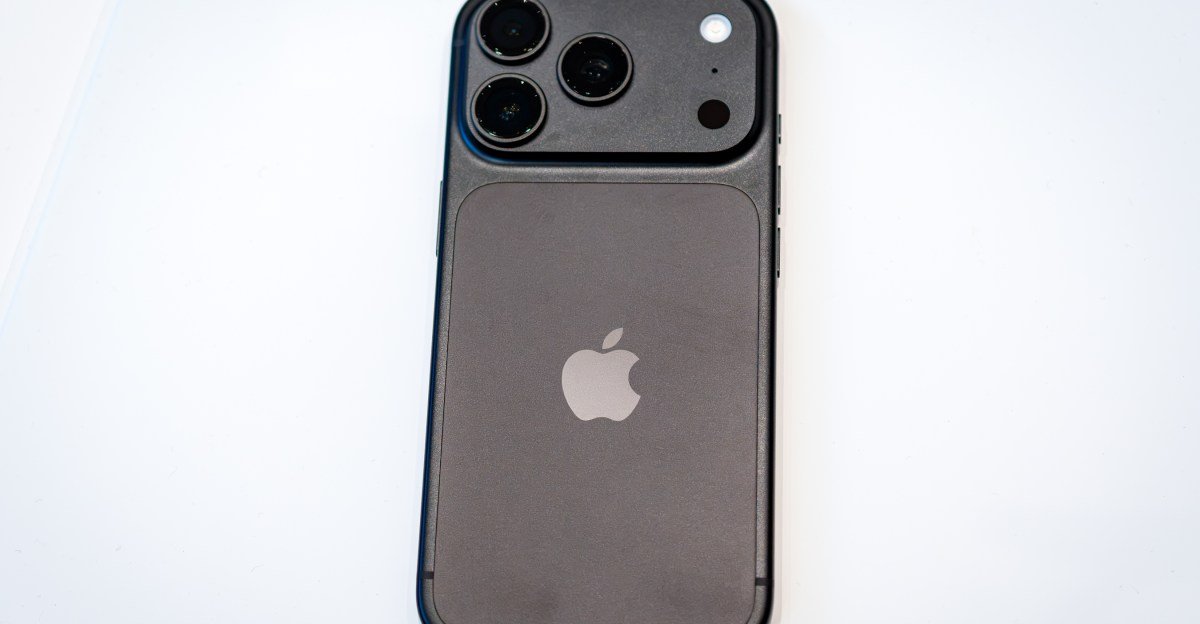
Apple has officially unveiled the hardware specifications for its latest flagship smartphones, the iPhone 18 Pro and the iPhone 18 Pro Max. Following the launch event, the company disclosed the battery capacities for these devices in accordance with European Union energy labeling requirements. These disclosures provide a granular look at the power storage capabilities of the new hardware, highlighting a significant divergence in how energy density is managed across the two premium models.
The data confirms that the iPhone 18 Pro is equipped with a 4,056 mAh battery, marking a modest 1.7 percent increase over the 3,988 mAh cell found in the preceding iPhone 17 Pro. Conversely, the iPhone 18 Pro Max features a more substantial architectural shift, sporting a 5,391 mAh battery. This represents an 11.7 percent increase compared to the 4,823 mAh capacity of the previous generation. This disparity suggests that Apple’s engineering team prioritized maximizing the internal volume of the larger chassis to push the boundaries of endurance for their top-tier device.
The Impact of Geographic Variations on Battery Design
One of the most technically intriguing aspects of the iPhone 18 series is the persistence of regional hardware differences regarding the SIM card interface. Apple continues to produce two distinct variants of its handsets: one featuring a physical SIM card tray and another designed exclusively for eSIM technology. This design choice has a direct impact on the internal layout and component density of the devices.
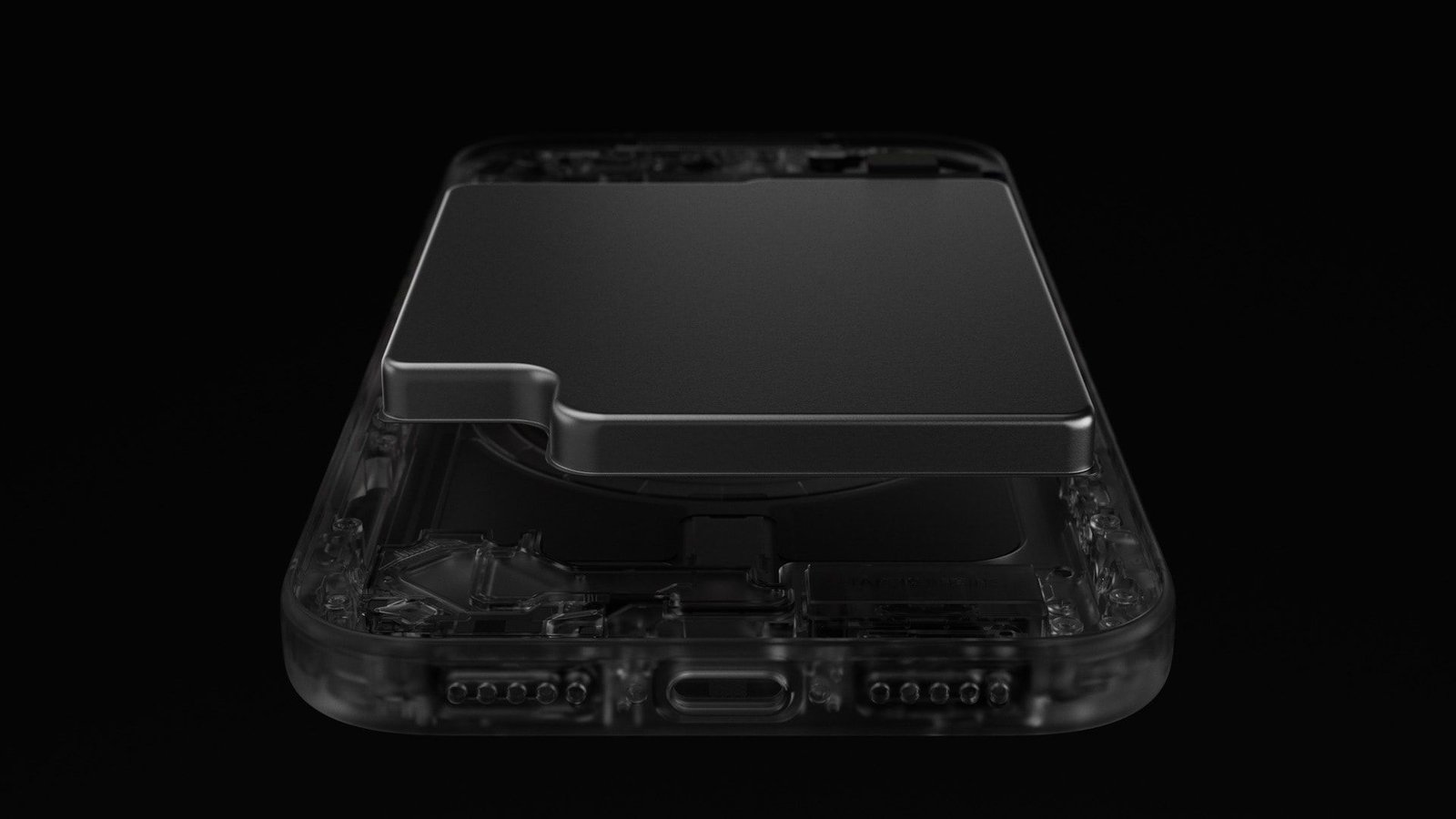
In regions such as the United States, Japan, and several Middle Eastern nations, the absence of a physical SIM tray allows for a reconfiguration of the internal space. In these eSIM-only models, the area traditionally occupied by the SIM reader and its associated mechanical components is repurposed for additional battery material. While the precise milliamp-hour ratings for these specific eSIM-only variants have not yet been formally published, history dictates that these versions possess a higher energy density than their counterparts sold in the United Kingdom and continental Europe, where the physical SIM tray remains a standard feature.
Efficiency Gains and Semiconductor Architecture
The increase in battery capacity is only one half of the energy equation. The longevity of the iPhone 18 Pro series is heavily dependent on the efficiency of the underlying silicon, likely the latest generation of the A-series Bionic or Pro processor. As battery capacities scale incrementally, the computational efficiency of the chip becomes the primary driver of extended user sessions. By tightening the instruction set architecture and utilizing more advanced lithography processes, Apple aims to ensure that the marginal gains in battery capacity translate into meaningful real-world improvements in screen-on time.
The 11.7 percent jump in the iPhone 18 Pro Max capacity is particularly significant. For power users who leverage high-refresh-rate ProMotion displays, heavy computational photography, and sustained high-performance gaming, this increase provides a much-needed buffer. Managing thermal output while drawing more power from a larger battery requires sophisticated power management integrated circuits (PMICs) that can throttle current delivery without sacrificing system stability. The integration of these advanced PMICs ensures that the hardware can handle the increased energy flow effectively, reducing heat dissipation during rapid charging cycles.
Use-Cases for Enhanced Energy Capacity
The decision to offer a significant battery boost in the Pro Max model aligns with the growing demands of professional workflows. Modern mobile computing involves intensive background processes, such as real-time 4K video transcoding, augmented reality rendering, and constant connectivity to satellite-based emergency services. These activities exert a high load on the battery. A 5,391 mAh capacity ensures that professionals capturing high-bitrate video or utilizing advanced generative AI features on-device can maintain functionality throughout a standard workday without frequent reliance on external power banks.
Furthermore, the implementation of more efficient power regulation allows these devices to better support always-on display features and high-resolution spatial computing applications. By increasing the capacity, Apple is effectively providing a larger reservoir of energy to accommodate the spikes in power consumption associated with heavy multi-threaded tasks, thereby preserving the health of the lithium-ion cells over several years of use.
Future Implications for Smartphone Engineering
The technical trajectory of the iPhone 18 series signals an ongoing focus on volumetric efficiency. As the physical dimensions of smartphones reach a plateau, engineers are forced to innovate through the optimization of the logic board, the placement of the Taptic Engine, and the elimination of redundant mechanical interfaces like the SIM tray. The gap between the Pro and the Pro Max models highlights a strategic intent to differentiate the user experience based on physical footprint, using battery life as a primary selling point for the larger form factor.
As regulatory requirements for transparency in energy storage continue to tighten globally, manufacturers will likely be compelled to provide more detailed documentation regarding battery chemistry and expected cycle life. This shift provides consumers and analysts with a clearer understanding of how hardware improvements contribute to the longevity of the device ecosystem. Ultimately, the release of the iPhone 18 Pro battery specifications underscores a maturing market where incremental hardware improvements are carefully balanced against the necessity of maintaining a slim, durable, and highly capable mobile platform.
Disclaimer: This content is auto-generated for informational purposes only.
Source: Read Original News