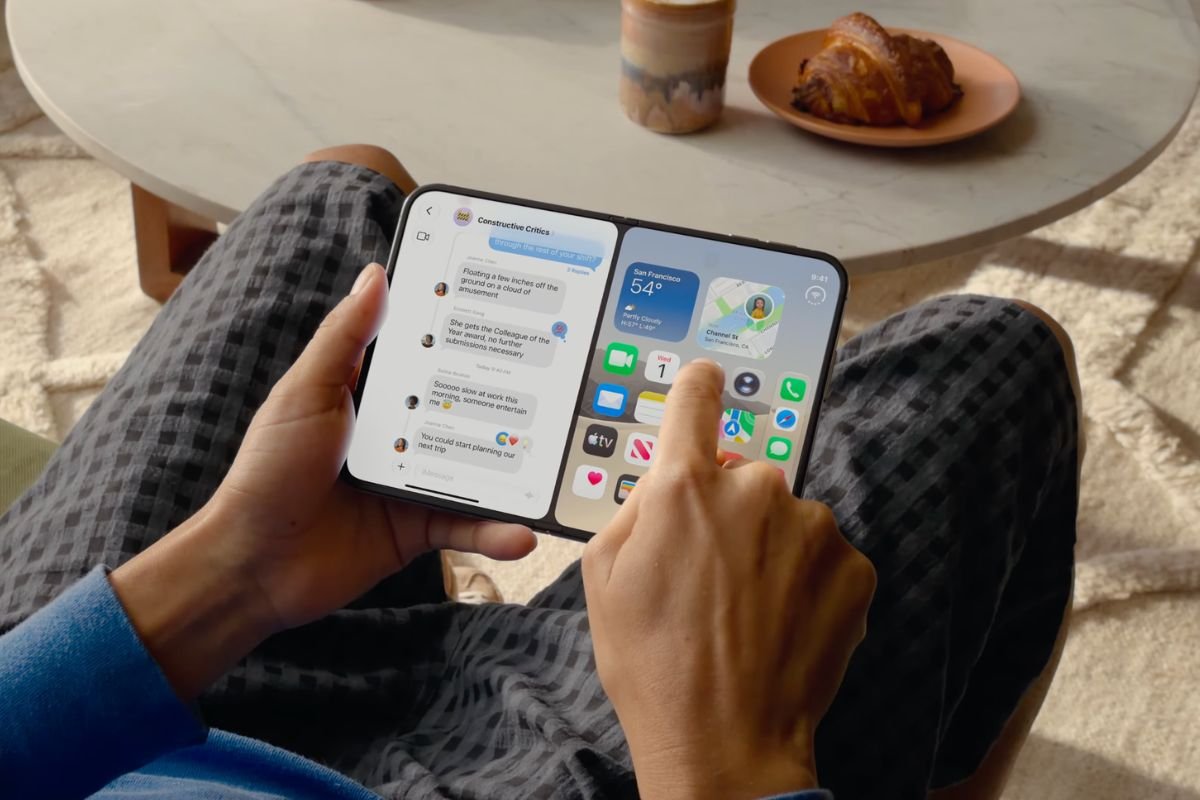










Apple is facing a public relations and logistics crisis following the launch of the iPhone Duo, with industry experts calling the company’s handling of the rollout a “major mistake.” Despite being well aware of severe production constraints, Apple pushed ahead with global pre-orders, leading to a massive inventory shortfall that has left countless early adopters facing months-long waits.
Writing in his latest Power On newsletter, Bloomberg’s Mark Gurman argued that Apple severely misjudged the timing of the release. According to Gurman, the company was fully cognizant of manufacturing hurdles that would limit supply but chose to move forward with pre-orders on October 16 rather than delaying the launch to build a more stable inventory cushion.
The consequences of this decision were immediate. Within 15 minutes of the store going live, launch-day delivery estimates vanished for multiple iPhone Duo configurations. As of this week, many customers placing new orders are being told they may not receive their devices until January 2027.
Analysts believe Apple’s rush was driven by a desire to bolster its fiscal first-quarter results. Rather than following its traditional tiered rollout—which would have limited the initial launch to a few key markets like the United States and China—Apple expanded the release to more than 70 countries simultaneously. This decision effectively spread a critically thin inventory pool across the entire globe, exacerbating the scarcity for every region.
“The company appears to have prioritized getting the device onto the market early,” Gurman noted, a move that has risked alienating the most dedicated Apple enthusiasts.
While Apple has officially described the demand for the iPhone Duo as “extraordinary,” the reality for consumers is increasingly bleak. Retail operations appear to be feeling the strain as well; Apple Store employees are reportedly advising customers not to expect any walk-in stock when the device officially hits shelves on October 23. This guidance effectively eliminates the traditional strategy of waiting outside a store on launch day to secure a unit, leaving those who missed the initial online window with few alternatives.
The tech giant has yet to disclose how many units were available when pre-orders first opened, and while delivery estimates could theoretically improve if production ramps up or order cancellations occur, the situation remains dire. For now, Apple finds itself in an unusual and uncomfortable position: it has successfully generated massive interest in its first-ever foldable iPhone, but has failed to meet that enthusiasm with enough physical product, turning one of its most anticipated launches into a lesson in supply chain mismanagement.
Disclaimer: This content is auto-generated for informational purposes only.
Source: Read Original News