








Do you feel drained? Less able to pick up a pace while walking, or struggling to open a jam jar? If you’re otherwise well but noticing health niggles, a bit of weakness or brain fog, you could be “pre-frail”. The term describes the early stage of physical and mental decline, “when your body has started to lose resilience”, according to the GP and longevity specialist Dr Alka Patel, who adds: “I often see it starting in midlife.”
According to new research by the Health Foundation think tank, our healthy life expectancy is declining, having fallen over a decade from 62.9 to 60.7 years for men and from 63.7 to 60.9 years for women. In other words, we are likely to spend a quarter of our lives with significant health issues. Meanwhile, a study in The Lancet Public Health found that 38 per cent of women aged 37 to 45 and 35 per cent of men in the same age group showed signs of pre-frailty which, according to landmark research by the American geriatrician Linda Fried, include self-reported exhaustion, slow walking, low physical activity and weak grip strength.
The concept of pre-frailty is under the spotlight in the former neuroscientist and health journalist David Cox’s new book, The Age Code, which examines the role our diet plays in ageing and how frailty is associated with reduced diversity in the gut microbiome.
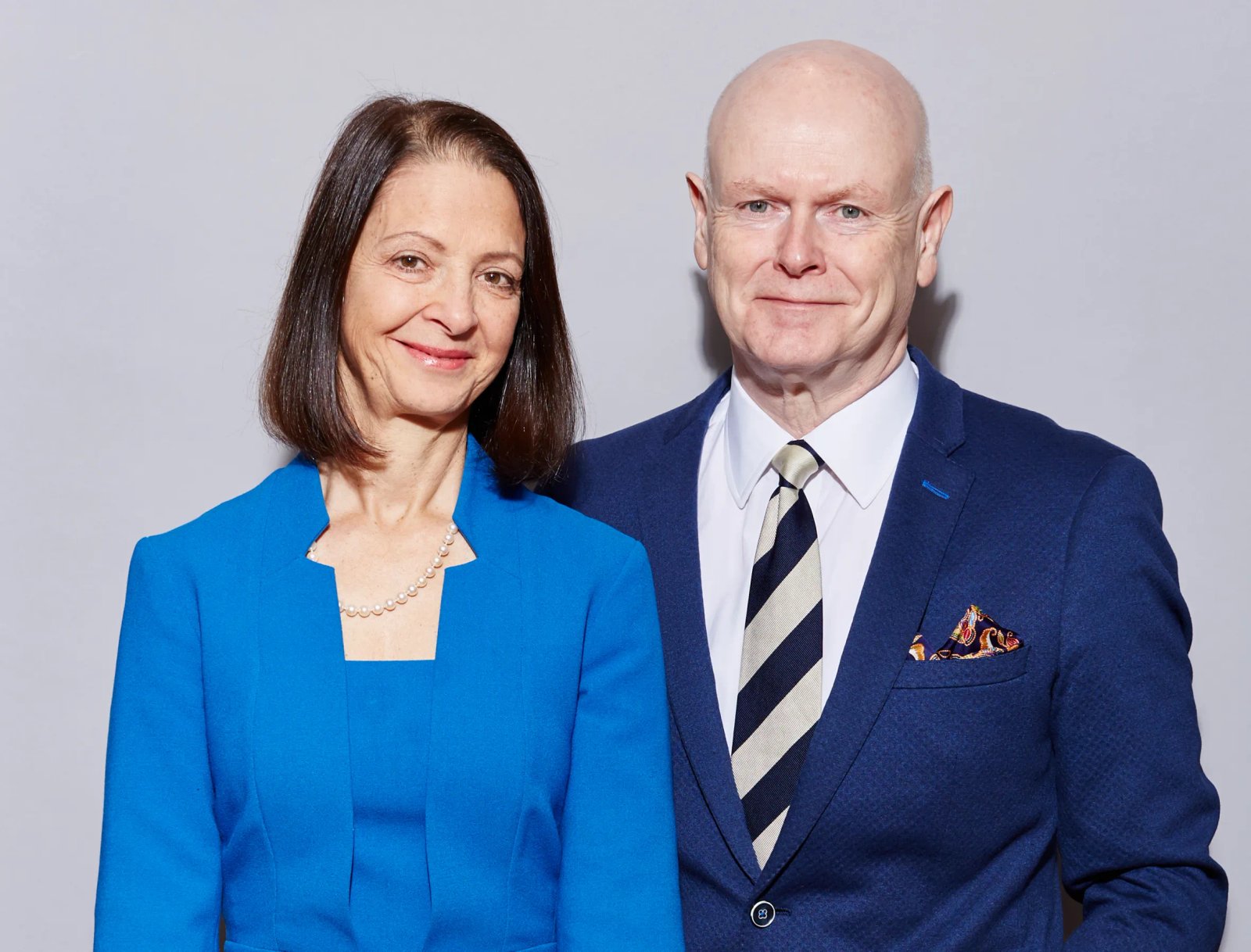
Ageing starts at a cellular level, with damage to mitochondria in each of the cells that “give us the energy to breathe, think, move”, says the surgeon and metabolic specialist Dr Paul Chell. He and his wife, Dr Monique Hope-Ross, also a surgeon and expert in metabolic health, have co-founded Healthbuddi, an online provider of courses for weight loss and disease reversal. “There are two ageing peaks in life, one between 40 and 45, and one at 60,” Hope-Ross says. “That’s when mitochondrial dysfunction, among many other cellular problems, happens.”

Then there are senescent, or “zombie”, cells, which are unable to divide like healthy cells or self-destruct via apoptosis. These increase in number as we get older “and sit there, grossly non-functional, affecting all the other cells, and it leads to inflammation, a major part of ageing”, Hope-Ross says.
The shortening of telomeres, the protective caps on the end of chromosomes that protect our DNA when cells divide, is a “big factor” driving senescent cell growth, Hope-Ross says. The resulting inflammation, where the body thinks it’s under threat and attacks healthy tissue, “brings on the early signs of ageing”, she says. “Your muscles can become frail. You don’t recover as well after exercise.” Cognitive function is affected.
However, as Patel says, “the more we understand these processes, the more we can address them”. With the right lifestyle choices you have the ability to make your body robust again.
Do half an hour of moderate exercise four times a week
 Getty IMAGES
All exercise is good for mitochondrial health, Chell says, but “the ultimate mitochondrial improvement exercise is zone two”. This means exercising at moderate intensity so you “can talk but not sing” and your heart rate is about 60 to 70 per cent of its maximum. “Mitochondria thrive when they are asked to work but not crushed,” Chell says. “Steady, sustainable exercise encourages the growth of healthier, more numerous mitochondria.” Light jogging, cycling, rowing, swimming and walking all count. “Aim for 30 minutes of zone two, four times a week,” he says.
Try to add in at least one HIIT session a week
Think of the mitochondria as a furnace, Hope-Ross says — zone two exercise increases its size while high-intensity exercise, such as spinning, sprint training and circuits, makes it burn stronger. “It’s increasing the power from your mitochondria in slightly different ways,” she says. Chell, meanwhile, says that one or two sessions of HIIT a week is enough to reap the benefits.
Do these five strength training exercises every other day
Grip strength is used as a marker of muscle loss because it’s often where people first notice strength slip — when opening a jam jar, say. Decline in muscle, which is essential for posture, balance and bone health, comes with age. It can be compounded by inflammation, which causes anabolic resistance, meaning the body becomes less able to build muscle. The personal trainer Kate Rowe-Ham suggests a focus on five simple exercises: push-ups, squats, deadlifts, overhead presses and bent-over rows holding a 2-3kg weight in each hand.
Limit your eating to a ten-hour window each day
Mitochondria, just like everything else, “need rest” and intermittent fasting is “supremely powerful at creating new, healthier mitochondria”, Chell says. Unfed cells, when we’re fasting, are much less likely to get cancer, she says. Hope-Ross suggests an eating window of ten hours a day, with “no snacking and two meals, if possible”.
Eat salmon and chia seeds to support healthier telomeres
 Getty IMAGES
A 2022 meta analysis found consumption of omega-3 fatty acids — healthy fats found in fatty fish and plant sources such as chia seeds — may “positively affect” telomere length. Cox reveals in The Age Code that increased omega-3 consumption may help to rejuvenate muscle as well as protecting heart health because they lower the levels of triglycerides, “a type of blood fat that is linked to heart attack and stroke risk”.
Keep stress levels in hand by doing six slow breaths every hour
 GETTY IMAGES
Patel describes stress as the biggest driver in pre-frailty “because it’s acting on every hallmark that decides how fast you age”. To combat stress she suggests slowing your breathing down every 60 minutes to six breaths a minute. This helps to switch off your sympathetic nervous system, which is your stress-activating system. Breathe in for four and out for six.
Add as much movement as possible to your day
“A person can go to the gym and still age poorly if the rest of the day is motionless,” Chell says. “If you have a desk job, get off the bus to work a stop early, use stairs instead of escalators, stand up to take phone calls.” Gardening and housework are also beneficial. While researching her new book, The Longevity Solution, Rowe-Ham found that Blue Zones — global regions where people tend to live the longest — broadly coincide with populations where overall activity levels are higher.
Walk more
Slower walking is a sign of pre-frailty because walking requires mobility, stability and balance, Rowe-Ham says. She suggests aiming for 4,000 steps a day. Research in the European Journal of Preventive Cardiology showed this is enough to start reducing all causes of death. To improve your walking Rowe-Ham recommends ankle circles, “which can be done at your desk and help mobility as well as strengthening the front of your foot to better support your body”.
Do your shopping from memory, not a list
Inflammation and incessant midlife juggling, compounded by the ease of ChatGPT and endless scrolling, mean we’re no longer absorbing information as well as we did, according to the cognitive rehabilitation specialist Natalie Mackenzie. We need to do something with it, “to read it, repeat it, recall it”, to remember it. Write a list, which helps with memory consolidation, but when you get to the supermarket try to remember what you want to buy without looking at it. Functional exercises like this are usually more beneficial than memory-boosting games on brain-training apps. Mackenzie says these have their place but adds: “You tend to get better at what you’re doing on the app rather than impacting day-to-day life.”
Prepare for sleep 80 minutes before bed
Poor sleep is a key driver of cellular damage and inflammation. Patel teaches the 8/80. She explains: “To preserve eight hours of sleep, get into relaxation 80 minutes before you go to bed.” This can involve, for example, slowing your breathing, turning off laptops, journalling or stretching. It will help cortisol levels to lower and the sleep hormone melatonin to rise, as well as reducing the risk of other unhealthy behaviours.
Eat leafy greens and drink full-fat milk to aid mobility
 Getty IMAGES
Vitamin K is important in preventing calcium accumulation in arteries and joints, which can lead to osteoarthritis and loss of mobility, Cox says. It is also crucial to maintaining bone and muscle quality and even supporting the immune system and brain health. One Spanish study found that those who increased their consumption of the vitamin had a 48 per cent lower risk of dying prematurely from cardiovascular disease. He suggests eating an “abundance” of leafy greens and cruciferous vegetables such as spinach, kale and broccoli (steaming is better than boiling) for the main form, vitamin K1, for healthy blood and bones. And consume dairy products such as full-fat milk and blue cheese for vitamin K2, which directs calcium to the right places.
Make sure you are getting enough vitamin D
Cox reveals there are receptors for calcitriol, the active form of vitamin D, “in almost every single tissue of the body and, being a hormone, it influences the expression of innumerable genes, making the immune system more efficient at spotting pathogens or tumours, and preventing it from attacking healthy cells”. In addition to getting outside for 15 to 20 minutes every day between April and September, he recommends whole foods rich in vitamin D, such as oily fish.
The Age Code: The New Science of Food and How it Can Save Us by David Cox (Fourth Estate, £22). To order a copy go to timesbookshop.co.uk or call 020 3176 2935. Free UK standard P&P on online orders over £25. Discount available for Times+ members