








Butterflies on the Move: A Global Reshaping of Species Distribution Driven by Climate Change
Issued on:
2 min Reading time
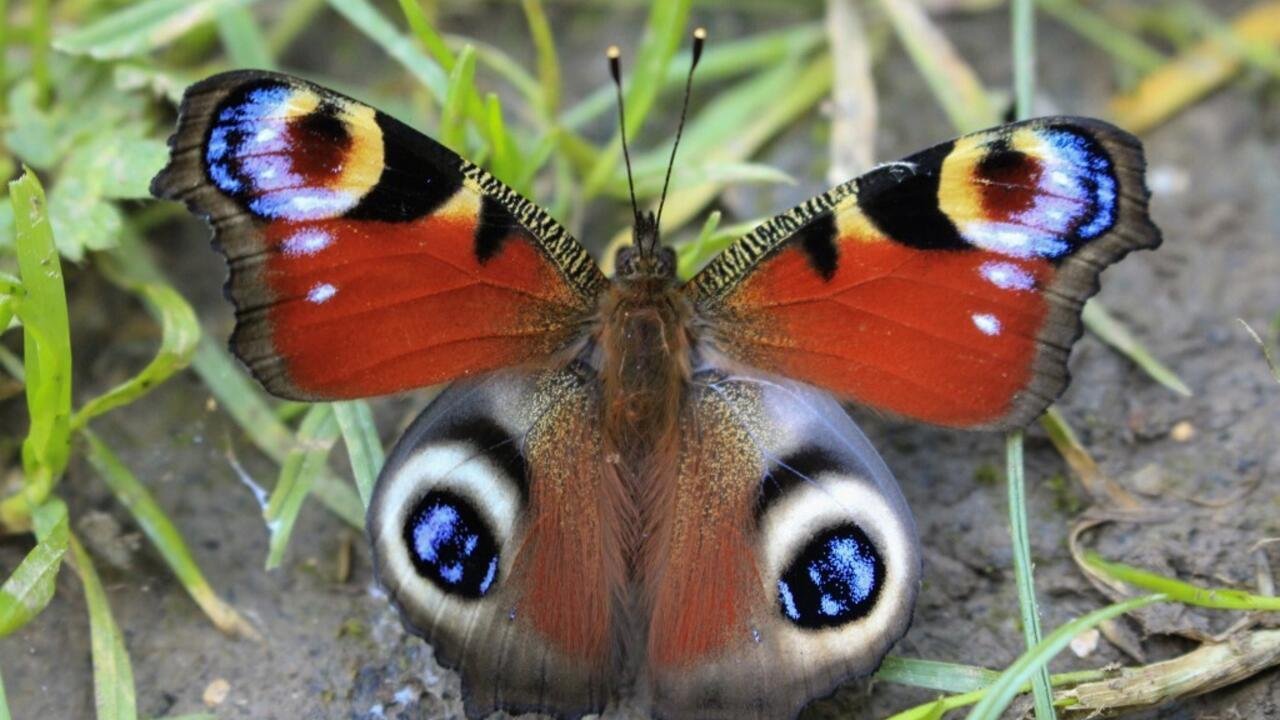
A landmark study published in Nature Ecology & Evolution reveals a profound global restructuring of butterfly populations, with climate change emerging as the primary driver behind these significant shifts. The comprehensive research, spanning over 1,700 species across 105 countries and territories, offers one of the most detailed insights yet into how these delicate insects are adapting – or struggling to adapt – to a rapidly warming planet.
The study found that nearly 80 percent of observed changes in butterfly geographic ranges were directly linked to climate change and the increasing frequency of extreme weather events. Beyond climatic factors, other human-induced pressures, such as land-use changes, intensive agriculture, urbanisation, habitat fragmentation, and the introduction of invasive species, were also identified as significant contributors to these ecological transformations.
Butterflies are widely regarded as crucial bio-indicators of ecosystem health. Their inherent sensitivity to temperature fluctuations, combined with short life cycles and reliance on specific host plants, makes them excellent bellwethers for environmental change. As global temperatures continue to rise – predominantly due to the combustion of fossil fuels – many butterfly species are now being observed relocating northwards or ascending to higher elevations in pursuit of cooler, more hospitable conditions.
Complex Responses and Adaptive Capacity
The research uncovered a nuanced picture of butterfly responses. While 80 percent of species demonstrated an expansion of their range, 27 percent experienced contractions. Intriguingly, some species exhibited divergent patterns in different regions, highlighting the intricate and varied ways in which life responds to climate change.
Jonathan Lenoir, an ecologist from France’s national scientific research centre (CNRS) and co-author of the study, offered a cautiously optimistic perspective to AFP. “This is rather good news as it proves that butterfly species are capable of migrating and shifting their range to adapt to changes,” Lenoir stated. This adaptive capacity, he suggested, indicates a resilience that could be vital in the face of ongoing environmental pressures.
Climate change ‘exacerbating’ drought across Europe, scientists say
However, Lenoir also introduced a crucial caveat: detecting range expansions is often more straightforward than confirming contractions. It is easier to verify the colonisation of a new area by a species than to definitively prove its complete disappearance from a former habitat. Furthermore, many observations, including those contributed by citizen scientists, tend to be concentrated in lowland areas and near urban centers, potentially introducing a geographical bias into the findings.
Despite the observed adaptability, Lenoir warned that there are limits to how far butterflies can adjust. He posited that beyond a certain warming threshold, more species could face severe range contractions, leading to “much more rapid and sudden upheavals” and “potential extinctions.”
Citizen Science and the Future of Butterfly Conservation
The urgency of the situation is underscored by previous research. A 2024 study in Global Ecology and Biogeography projected that 84 percent of approximately 270 butterfly species studied in Europe could see their ranges shrink by 2080 if global temperatures continue their upward trajectory.
“Some butterfly species will not necessarily be able to migrate further north in latitude, or higher up in the mountains, in response to the global rise in temperatures,” Lenoir cautioned. He highlighted the particular vulnerability of species endemic to island mountain regions, which could become “trapped” as their habitats dwindle “to almost nothing” with limited options for relocation.
Habitat loss drives France’s biodiversity collapse, but recovery still possible
In response to these pressing findings, the study’s authors advocate for robust conservation policies. These include the protection and restoration of critical butterfly habitats, the establishment of ecological corridors, and the creation of micro-climatic refuges. They also emphasize the vital role of improving biodiversity monitoring, with a particular focus on expanding citizen science initiatives.
Crucially, the researchers stress the urgent need for global efforts to limit warming. They also pointed out significant knowledge gaps, noting that documented data on range changes exists for only one in ten butterfly species, and tropical regions remain largely understudied.
Europe’s climate progress overshadowed by worsening loss of nature
This comprehensive study serves as a stark reminder of the widespread ecological impacts of climate change and underscores the interconnectedness of all life on Earth. The fate of butterflies, often seen as symbols of beauty and fragility, may well offer a vivid forecast for the broader health of our planet.
(with AFP)