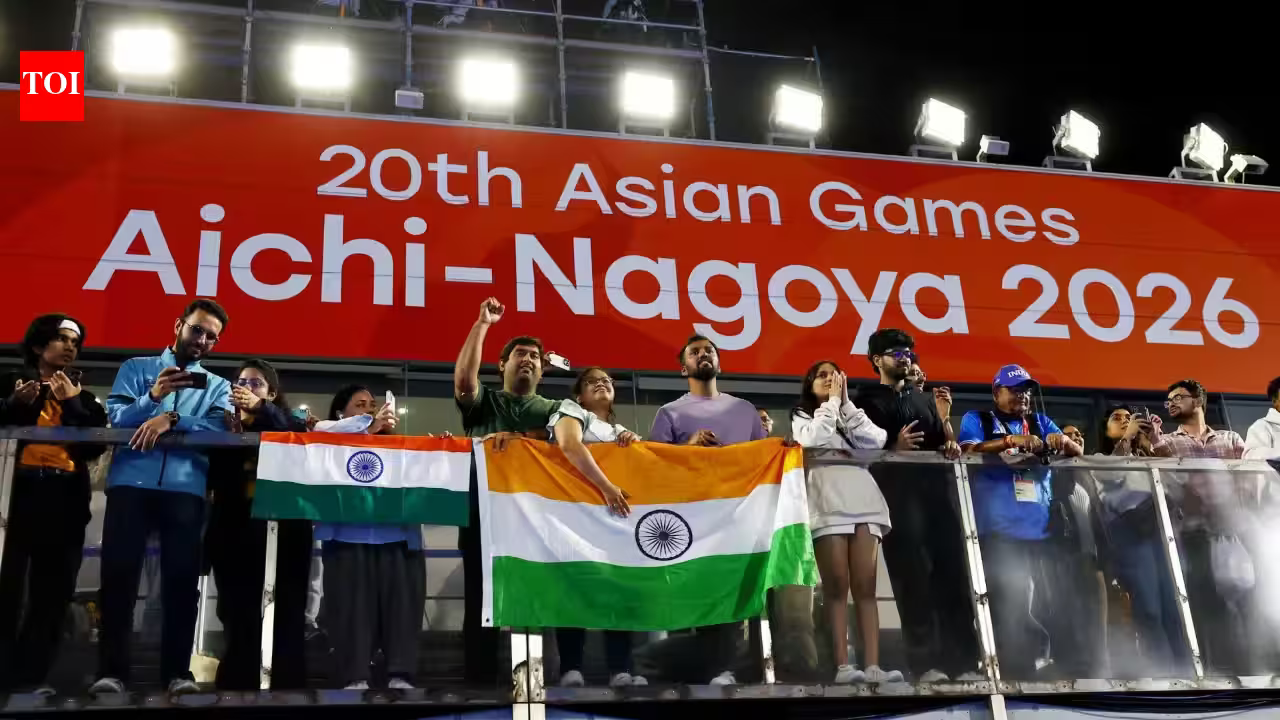





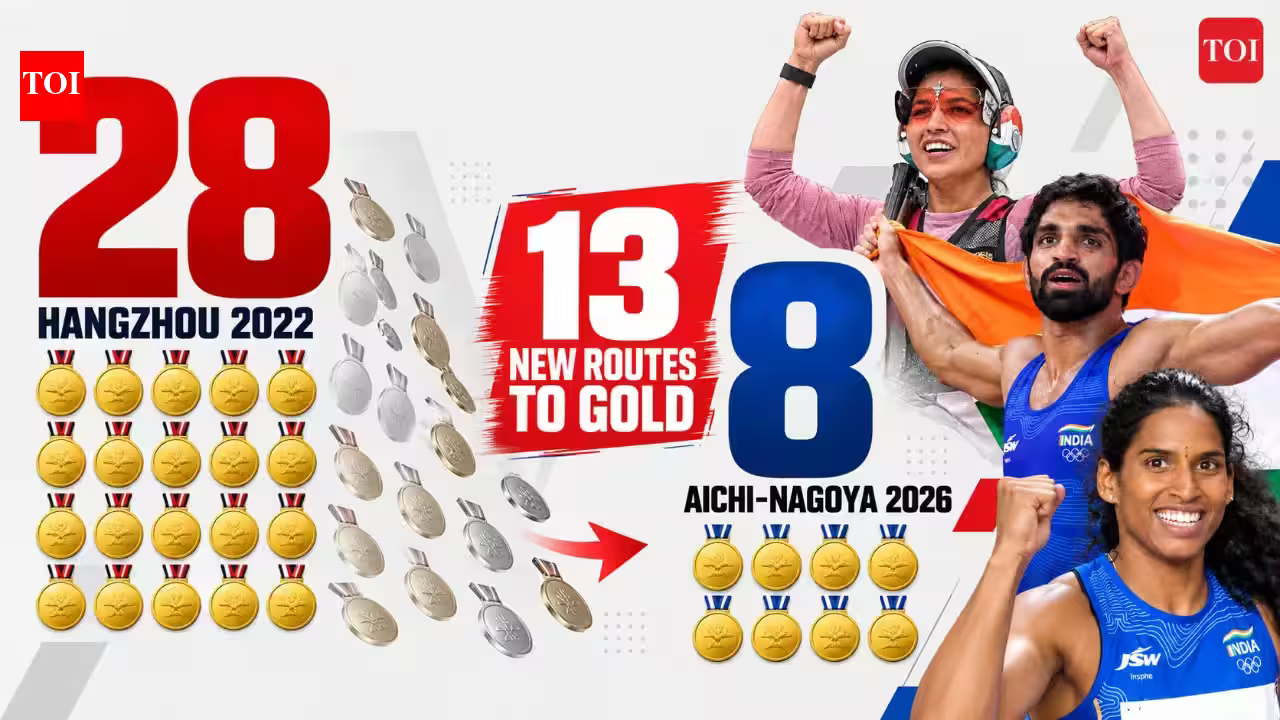



India’s journey at the 2026 Asian Games in Aichi-Nagoya has concluded, leaving behind a complex narrative of historic breakthroughs punctuated by pockets of profound underperformance. Closing out the campaign in fourth place with a total of 85 medals—comprising 21 gold, 27 silver, and 37 bronze—the delegation finished shy of the record-breaking 106-medal haul achieved in Hangzhou. Yet, a late-stage surge across several disciplines salvaged what could have been a lackluster outing, ensuring that India’s footprint remained significant on the continental stage.
As the dust settles on the Aichi-Nagoya Games, the performances offer a clear blueprint of where Indian sports are peaking and where the systemic cracks are beginning to show.
The Hits: Historic Gold and Resurgence
The highlight of the Games was undeniably the archery contingent. Dominating the field with five gold medals, the squad’s performance reached a crescendo when 17-year-old sensation Kumkum Mohod etched her name into history, becoming the first Indian woman to clinch an individual recurve gold at the Asian Games. With the men’s and women’s compound teams also striking gold, archery solidified its status as a cornerstone of India’s medal-producing potential.
On the turf, hockey provided the emotional heartbeat of the tournament. The women’s team shattered a 44-year drought to secure gold, while the men’s team dismantled Malaysia 5-1 in the final to retain their title. More importantly, both squads successfully carved out paths for Olympic qualification, turning these Asian Games into a springboard for Los Angeles 2028.
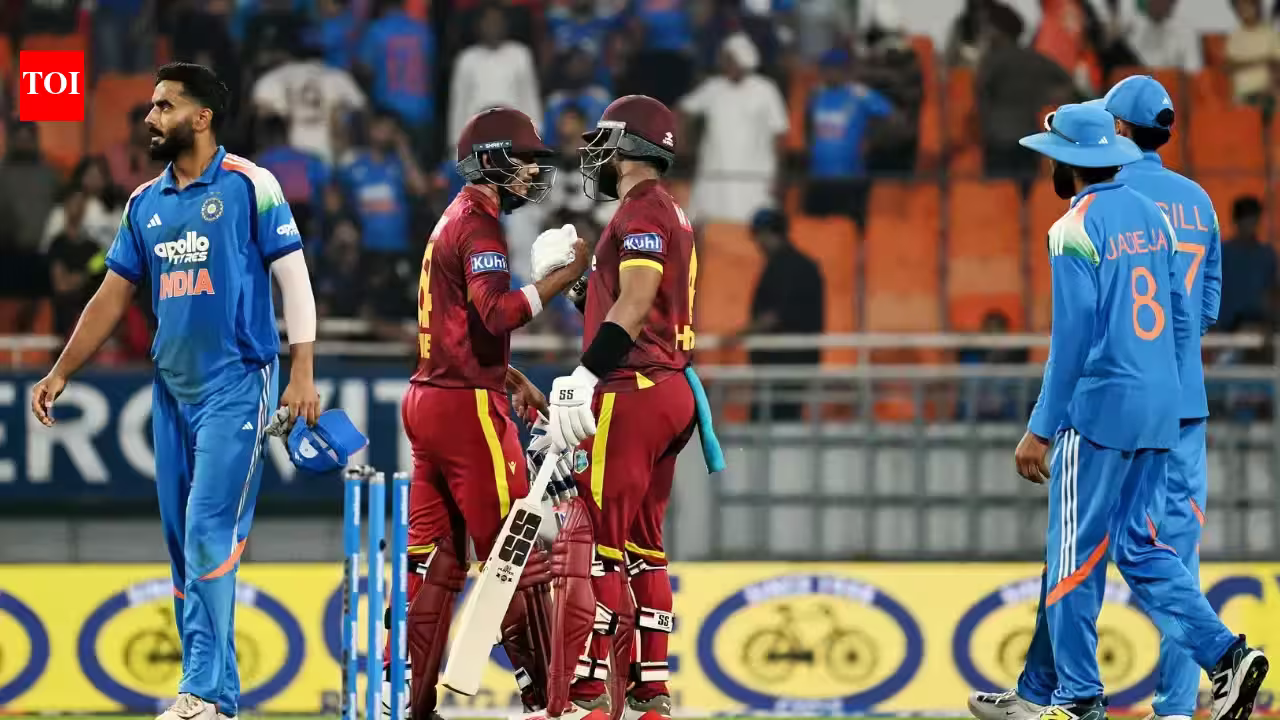
Cricket followed suit, with both the men’s and women’s teams successfully defending their titles. The men’s final, marked by an explosive batting display from Abhishek Sharma and a gritty unbeaten 51 from Tilak Varma, became one of the most-watched moments of the entire Games, serving as a reminder of the sport’s immense drawing power and tactical depth.
Elsewhere, the boxing ring saw a late-tournament surge. Lovlina Borgohain’s golden run was particularly poignant, as she became only the second Indian woman to capture an Asian Games boxing gold, joining the ranks of legend Mary Kom. Wrestling also produced a narrative of redemption; after a tumultuous period following the Paris Olympics, Aman Sehrawat battled through personal and physical hurdles to secure a hard-fought gold, proving his resilience under the brightest lights.
Golf also offered a historic milestone, with Pranavi Urs becoming the first Indian woman to stand atop the podium in the individual event, while athletics—despite a lack of top-tier gold medal conversions—contributed a massive volume of 24 medals, proving that India’s depth in track and field continues to grow at an unprecedented rate.
The Flops: Missed Opportunities and Structural Concerns
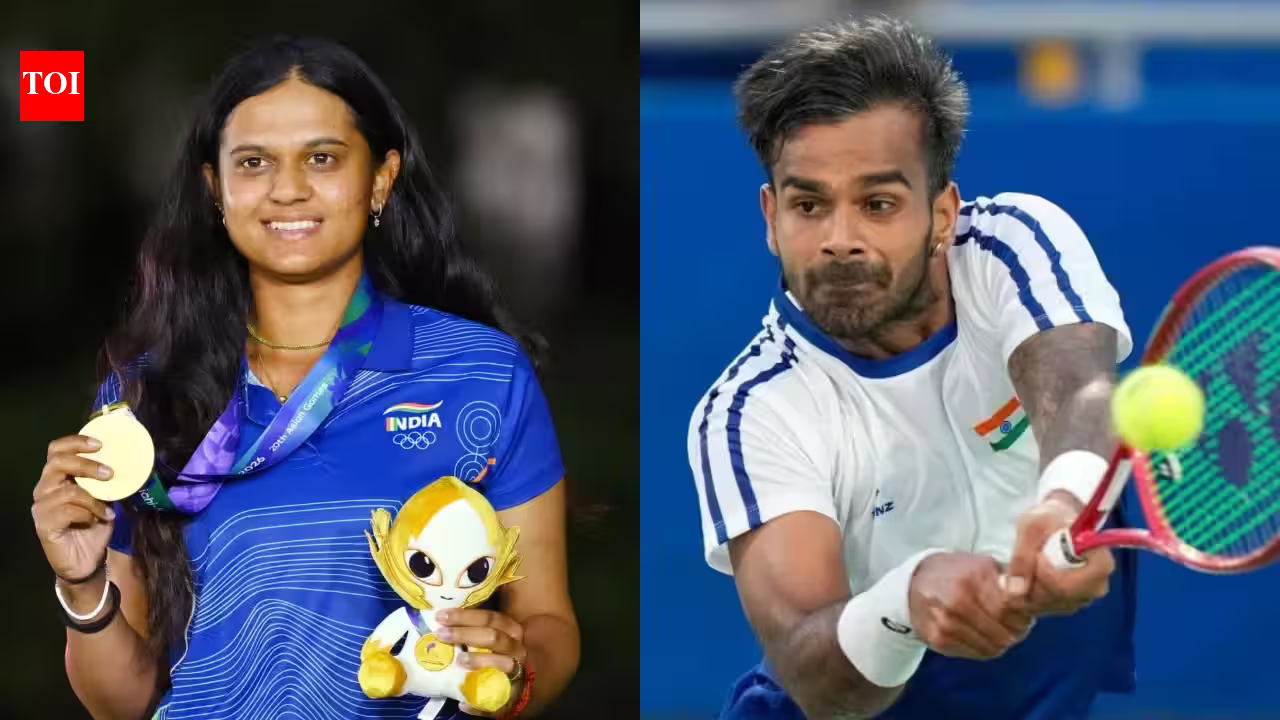
While the highs were towering, the lows were equally visible. The most staggering disappointment occurred on the tennis courts, where India failed to secure a single medal for the first time in four decades. Despite the presence of seasoned campaigners, the team could not overcome the technical and mental hurdles of the competition, leaving a sport that has traditionally been a reliable source of medals in a state of crisis.
Badminton also proved to be an underwhelming outing, managing only a solitary bronze in the men’s team event. The disappointment was compounded by external factors, as star players like H.S. Prannoy vocally criticized the scheduling and the living conditions, suggesting that the logistical mismanagement played a role in the athletes’ inability to perform to their full potential.
Shooting, often a juggernaut for India, began the Games on shaky ground. An alarming string of fourth-place finishes created early-Games anxiety for the delegation. While the shooters eventually found their rhythm—culminating in 15 medals—the initial failure to convert early chances into gold highlighted a need for better mental conditioning in high-pressure scenarios.
The “flop” list also extended to sports where India hoped to see rapid growth. The equestrian team, despite significant pedigree, failed to return with a medal, while sports such as fencing, esports, and volleyball saw sizable contingents fail to make any impact on the podium. Table tennis, too, returned a modest single-bronze, a figure that falls well short of the ambitions of a nation increasingly looking to dominate the sport at the global level.
Looking Toward the Future
The 85-medal haul in Aichi-Nagoya is a respectable achievement, but it serves as a reality check for the Indian sports establishment. The sheer volume of “near-misses” and the failure of previously reliable disciplines highlight an urgent need for institutional reflection.
While the historic achievements in golf and archery prove that India is successfully diversifying its sporting prowess, the struggles in badminton and tennis signal that traditional strongholds cannot be taken for granted. For India to continue its upward trajectory toward the 2028 Olympics, the focus must shift from merely participating in a wide array of disciplines to refining the competitive edge in the sports that are currently falling through the cracks. As the Aichi-Nagoya chapter closes, the roadmap for the future is clear: the focus must move beyond the quantity of medals to the efficiency of the conversion.
Disclaimer: This content is auto-generated for informational purposes only.
Source: Read Original News