








TURMOIL in the ranks: India’s preparations for the upcoming Aichi-Nagoya Asian Para Games have descended into chaos just days before the opening ceremony, as a perfect storm of selection disputes, administrative bottlenecks, and inexplicable coaching omissions threatens to derail the country’s medal prospects.
With the Games looming, the mood in the Indian camp is one of frustration and anxiety. What should be a period of intense focus and tactical refinement has instead been hijacked by a series of eleventh-hour crises that have left elite athletes in para shooting, badminton, table tennis, and cycling grappling with uncertainty rather than their competition strategy.
The Coaching Crisis in Para Shooting
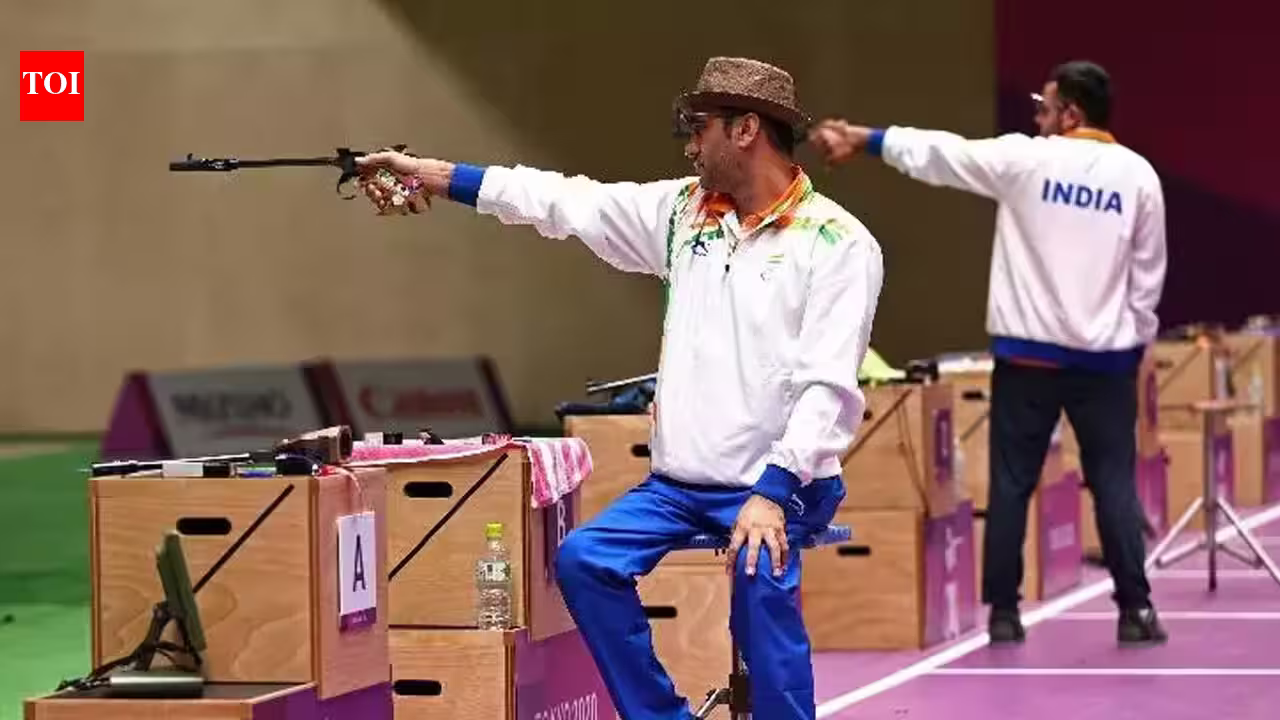
The most visible friction point emerged on Monday, when nine of India’s 13 selected para shooters descended upon the Sports Authority of India (SAI) headquarters in New Delhi. The contingent, which includes heavyweights such as Manish Narwal, Mona Agarwal, and Nihal Singh, expressed profound dissatisfaction regarding the exclusion of chief coach J P Nautiyal and assistant coach Shivam Tyagi from the official traveling squad.
For these athletes, the presence of a coach is not merely a formality; it is a tactical and psychological necessity. The atmosphere at the meeting was reportedly tense and emotionally charged. Bhakti Sharma, a deaf and non-speaking athlete who relies on specialized, high-level communication established over years with her coaching staff, was visibly distressed, breaking down as she navigated the uncertainty of her support system. Other shooters, including Sumedha Pathak, voiced grave concerns about their ability to compete at the required intensity without the technical guidance of the staff who have steered them to international podiums throughout the season.
A Sputtering Administrative Engine
The systemic failures extend well beyond the shooting range. For weeks, the delay in government sanctioning for specific disciplines—namely para badminton, table tennis, and boccia—has left athletes in a state of administrative limbo. While the Ministry of Youth Affairs and Sports finally issued a late-evening clearance on Monday, the damage caused by the prolonged silence is already evident.
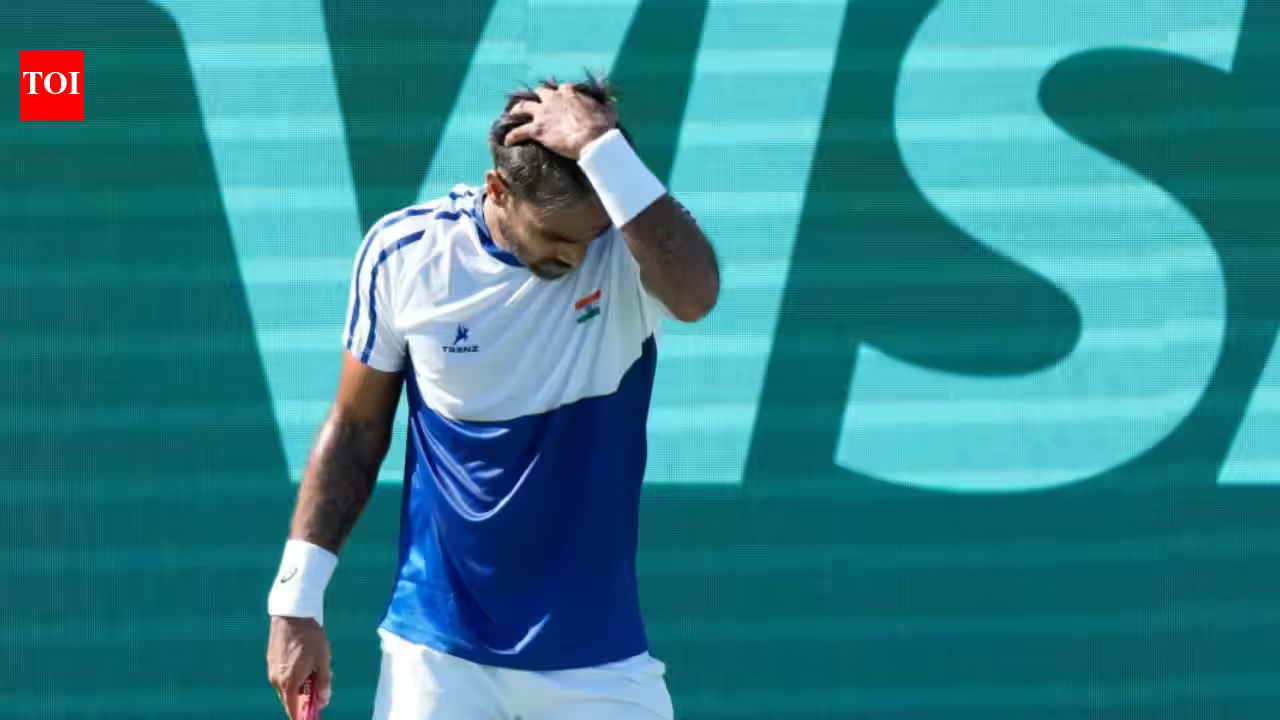
The lack of timely approval has created a cascading failure in logistics. Athletes arriving at the Paralympic Committee of India (PCI) office on Monday were met with empty shelves, as kit distribution remained on hold pending official clearance. The absurdity of the situation was highlighted at the October 8 send-off event, where flag-bearer and badminton star Pramod Bhagat was forced to wear a teammate’s ill-fitting uniform because his own had not been provided.
These aren’t just minor inconveniences; they are major distractions for athletes who rely on specific equipment configurations. For wheelchair users in table tennis and other disciplines, even minor adjustments to gear or clothing can mean the difference between a podium finish and an early exit. With the table tennis competition slated to begin on October 16—just one day after mandatory classification checks—the lack of acclimatization time in Japan is a disadvantage that even the most talented athletes may struggle to overcome.
Legal Hurdles and Unsanctioned Names
While the majority of the contingent has received the green light, the shadow of litigation continues to loom over the team. The para cycling contingent remains in a state of suspended animation, with five qualified athletes currently battling the Paralympic Committee of India in the Delhi High Court. The athletes, citing Articles 14 and 21 of the Constitution, are challenging the decision to slash the cycling squad to a single representative despite six initial recommendations. With an interim court decision expected shortly, the uncertainty surrounding these athletes remains a point of contention.
Furthermore, discrepancies persist even within the approved contingents. Sources indicate that five high-profile badminton players—Chirag Baretha, Manisha Patel, Shashank Kumar, Ammu Beulah Mohan, and Rachna Patel—remain unsanctioned, casting doubt on their ability to join the squad in Nagoya. The status of officials like Kalpesh Thakkar, the secretary of the Table Tennis Association of Baroda, also remains unresolved, adding another layer of confusion to an already fractured administrative effort.
A Race Against Time
The initial October 10 partial sanction, which covered 128 athletes and 91 support staff, proved to be an inadequate roadmap for a contingent of this scale. The subsequent scrambling to clear the remaining disciplines has created a chaotic environment where the focus has shifted from sport to survival.
As the first groups of athletes prepare to board flights to Japan, the Indian contingent finds itself battling two opponents: the formidable international competition awaiting them in Aichi-Nagoya and the internal disorder that has plagued their preparation. For the athletes, the goal remains the same—to bring glory to the nation—but the path to the podium has become significantly more treacherous, paved with bureaucratic hurdles that no amount of athletic excellence can easily bypass. As the opening ceremonies approach, all eyes will be on whether this talented group can overcome the turmoil at home to perform on the continental stage.
Disclaimer: This content is auto-generated for informational purposes only.
Source: Read Original News