








Scientists Urge Overhaul of Australia’s Marine Protection Strategy as Review Begins
Leading marine experts warn that Australia’s current system of "no-take" zones is geographically biased, leaving fragile coastal ecosystems vulnerable to industrial pressure.
Australia’s commitment to ocean conservation is facing intense scrutiny as a coalition of over 270 leading marine scientists from 84 research institutions calls for a radical shift in how the nation protects its waters. In an urgent plea to Environment Minister Murray Watt, the group argues that the Australian government has failed to provide meaningful protection for coastal ecosystems, instead concentrating "highly protected" marine parks in remote, deep-sea areas where industrial activity is minimal.
The intervention comes as the federal government launches a once-in-a-decade review of its marine park management plans. While the government maintains that it is on track to meet its goal of protecting 30% of its oceans by 2030, scientists argue that the current distribution of these zones is "biased towards places that no one goes."
A "Remarkable" Ecosystem Under Siege
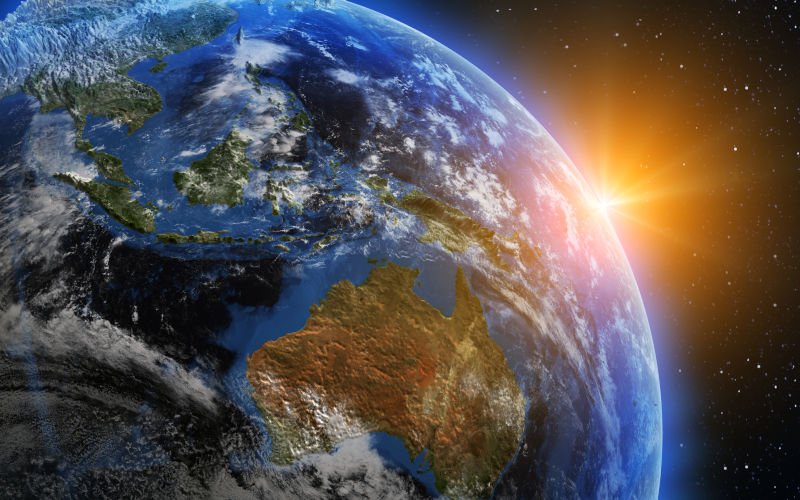
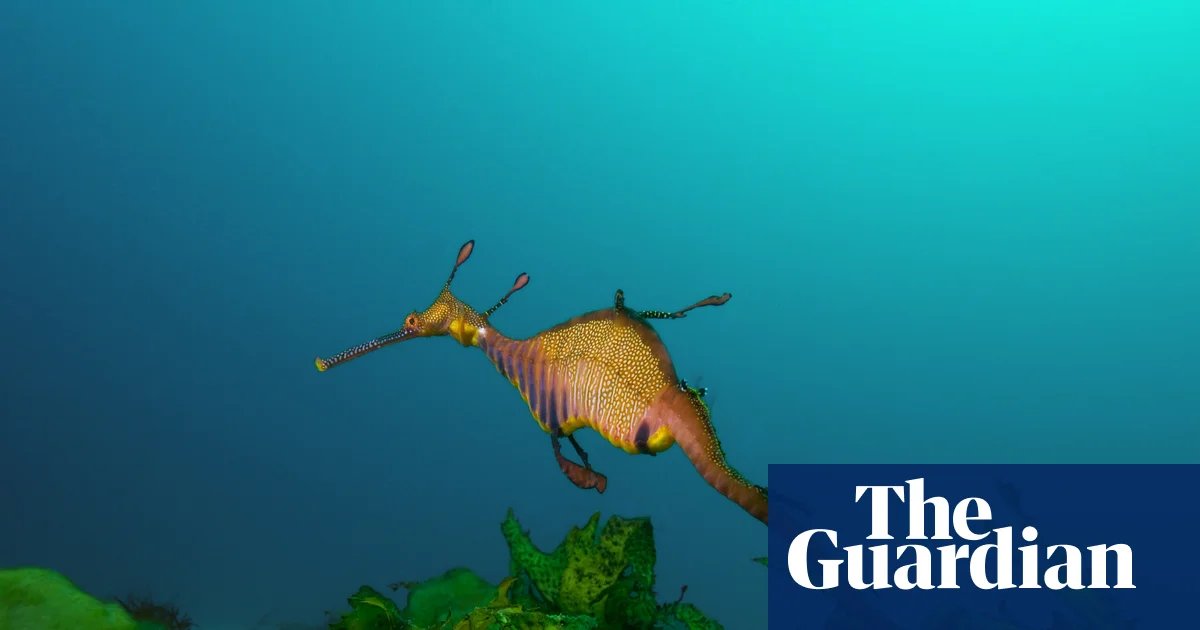
Australia’s maritime territory is globally significant, encompassing six UNESCO World Heritage areas and an estimated 33,000 marine species. However, these waters are currently grappling with the compounding threats of climate-driven ocean warming, commercial fishing, and extractive industries.
Prof. Jessica Meeuwig, director of the Marine Futures Lab at the University of Western Australia, emphasized the urgency of the situation. "Many species found in Australian waters exist nowhere else on the planet," she said. "If we don’t protect them here, it’s not like we can expect somebody else to do the job; they are lost forever."
According to the scientists, while roughly 25% of Australian waters are technically "highly protected," these zones lack representation across diverse habitats. In many regions, such as those off the coast of New South Wales, south-east Queensland, and the Northern Territory, as little as 1% to 7% of the ocean is shielded from industrial exploitation.
The Case for Representative Protection
The experts are advocating for a strategy that mandates "at least 30%" of every marine bioregion be designated as a highly protected area, with explicit bans on industrial trawling, long-lining, and mining.
Associate Professor Carissa Klein, director of the Centre for Biodiversity and Conservation Science at the University of Queensland, warned that the current approach is failing the environment. "We’re not actually protecting the diversity of life that we have in the ocean," Klein stated. "Every bioregion is unique and distinct. We want a representative network of protected areas all around Australia."
This is particularly true for the temperate east region, which stretches from the southern Great Barrier Reef to Bermagui. Prof. David Booth, a marine ecologist at the University of Technology Sydney, described the area as a biodiversity hotspot that is rapidly changing due to the climate crisis. "It’s an area of rapid change, with very little protection at the moment," he noted, citing the migration of fish species moving southward into cooler waters.
Policy Clash
In response to the concerns raised, Minister Murray Watt defended the government’s progress, stating that the planned expansion of marine parks around Lord Howe and Norfolk islands would see the 30% target achieved ahead of schedule. He described the current review as an "opportunity to better protect key ocean habitats" while balancing sustainable usage.
However, advocates maintain that a shift in perspective is required to ensure long-term health for both the environment and the economy. Proponents suggest that robust protection serves as a "nursery" for the broader ocean, pointing to the Great Barrier Reef, where a vast majority of commercially valuable coral trout are born within protected "no-take" zones.
As the marine parks review progresses, the scientific community is urging Canberra to resist the urge to prioritize easy-to-protect remote zones over areas of high human activity.
"When Australia leads, it keeps the bar high," Prof. Meeuwig said. "If Australia flounders at this opportunity, it will have ramifications across other places."