







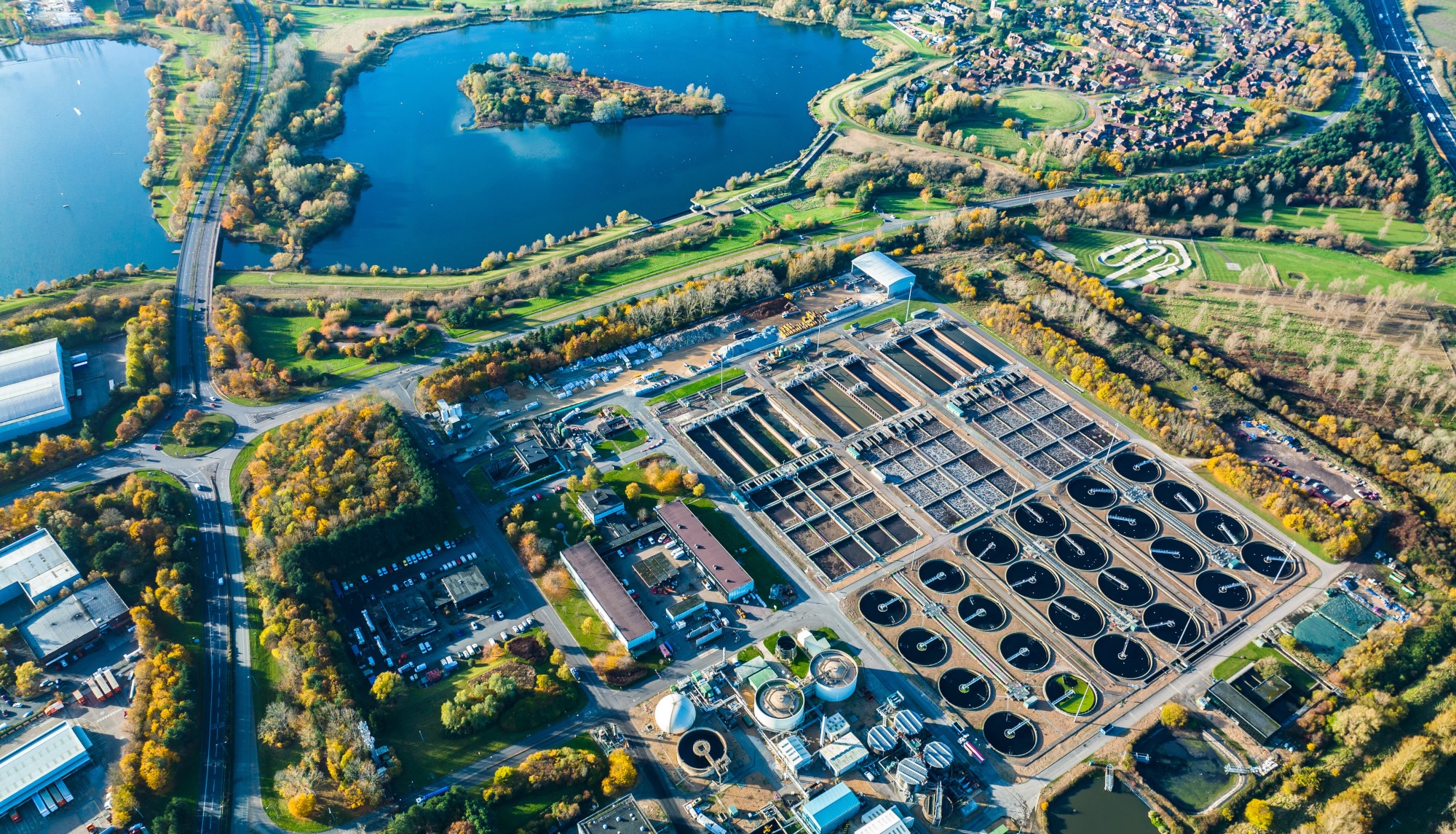
AI tools can help reshape how water infrastructure is planned, designed, and operated.
Autodesk has joined the Water-AI Nexus™ Center of Excellence Advisory Council, a global initiative convened by the Water Environment Federation (WEF) to explore how artificial intelligence can support more sustainable and resilient water systems. The council brings together industry leaders, technology providers, and water experts to address a growing challenge: how to harness the potential of AI while managing its environmental footprint, particularly in areas like energy and water use. For Autodesk, and like the dual mission of the Water-AI Nexus, the opportunity sits at the intersection of two priorities—advancing AI-enabled innovation and supporting the responsible management of water resources.
Advancing AI and water stewardship together
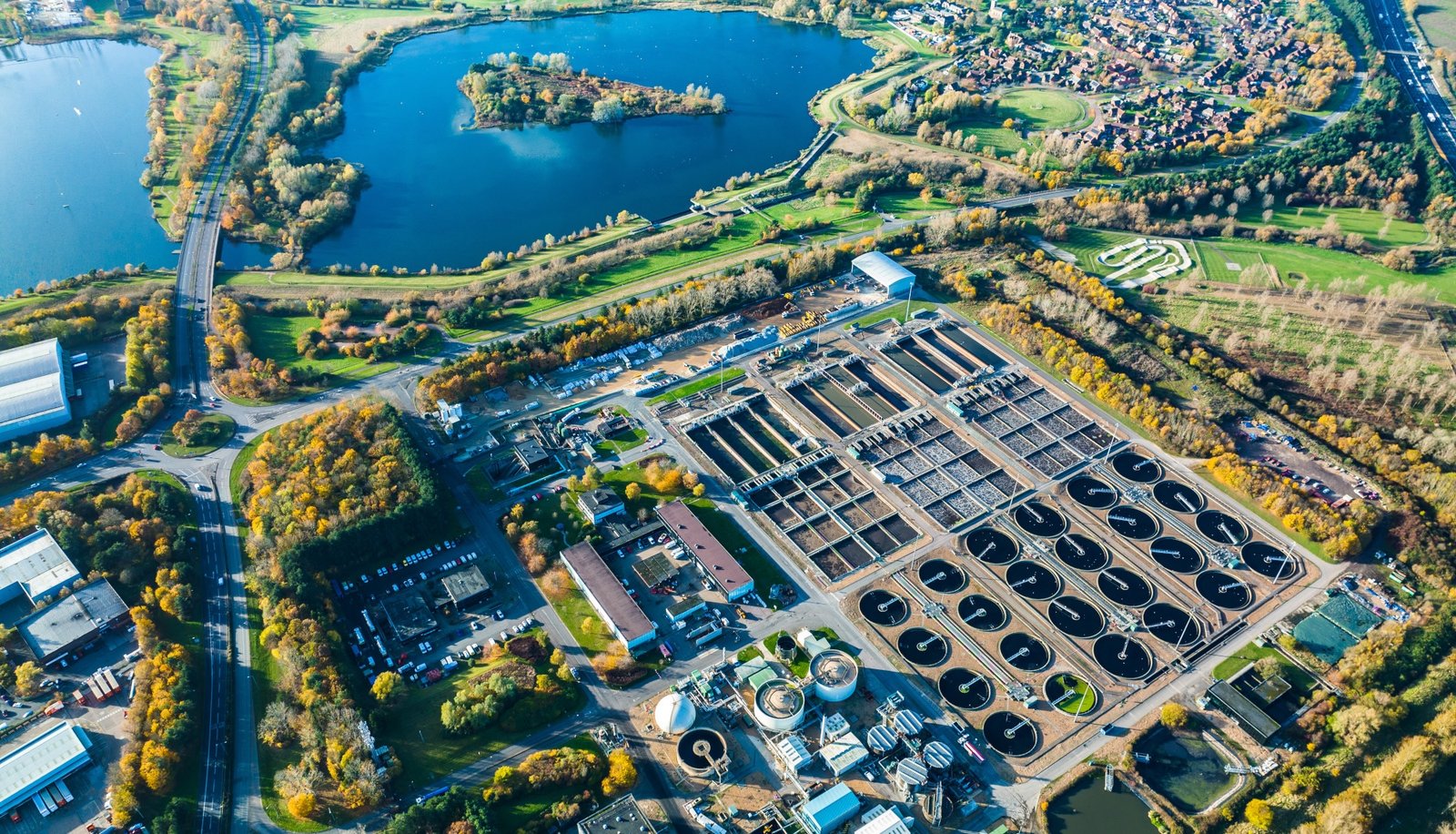
AI is already reshaping how water infrastructure is planned, designed, and operated. Utilities are using AI to improve predictive maintenance, detect leaks, and optimize networks, helping address pressures from aging infrastructure, constrained budgets, workforce gaps, and increasing climate volatility. At the same time, demand for digital services and the data centers to support them is placing increasing pressure on water resources. “We’re bringing together leaders across water, technology, and infrastructure because the challenge and opportunity of AI sits at the intersection of these systems,” said Ralph Exton, executive director, Water Environment Federation. “AI has the potential to transform how we manage water, from improving system performance to informing long-term resilience. At the same time, we must ensure that the growth of AI is aligned with responsible water use. The Water-AI Nexus is focused on advancing both, and supporting innovation while safeguarding one of our most critical resources.”
Learn more about AI in water utilities and how leaders are adopting new tools
Building the foundation for AI in water
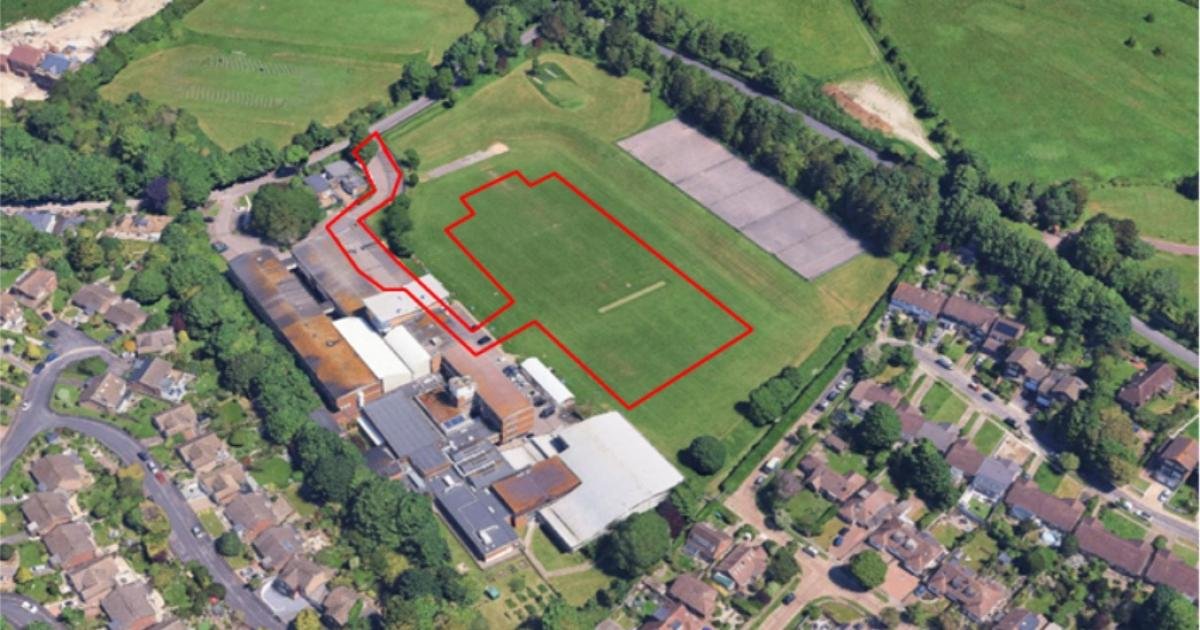
At the core of this work is data. AI’s effectiveness in water management depends on access to high-quality, connected information across the full lifecycle of infrastructure—from planning and design through construction and operations. Disconnected systems and siloed workflows limit the impact of AI, while integrated digital environments allow teams to simulate scenarios, identify risks earlier, and optimize performance over time. For example, machine learning tools like InfoDrainage’s Machine Learning Deluge can help engineers understand flood risks earlier in the design process, while hydraulic modeling and real-time monitoring can support more responsive operations. In practice, firms like Project Centre are already using the Machine Learning Deluge tool to quickly identify and address flooding hotspots and deliver more resilient outcomes for clients. Over time, these insights help utilities reduce water loss, improve service reliability, and make more efficient use of resources. This dual focus of using AI to improve water systems while also addressing the resource demands of AI shapes our perspective within the Water-AI Nexus initiative. We’re looking forward to working alongside industry partners across the advisory council to help ensure AI is deployed in ways that strengthen water resilience, support sustainable infrastructure, and deliver measurable outcomes.