







Diplomatic Impasse: Hasina’s Exile Strains India-Bangladesh Relations
Dhaka, Bangladesh — Plans for a historic diplomatic reset between New Delhi and Dhaka have hit a significant roadblock, as a brewing dispute over the presence of exiled former Prime Minister Sheikh Hasina continues to cast a long shadow over bilateral ties.
The friction intensified following an August 5 video press conference, where the ousted leader—who was convicted in absentia of crimes against humanity—addressed supporters from the heart of the Indian capital. The event, which featured sharp criticism of the 2024 mass uprising that brought the current administration to power, triggered an “outraged” response from the Bangladeshi government.
The ‘Megaphone’ Problem
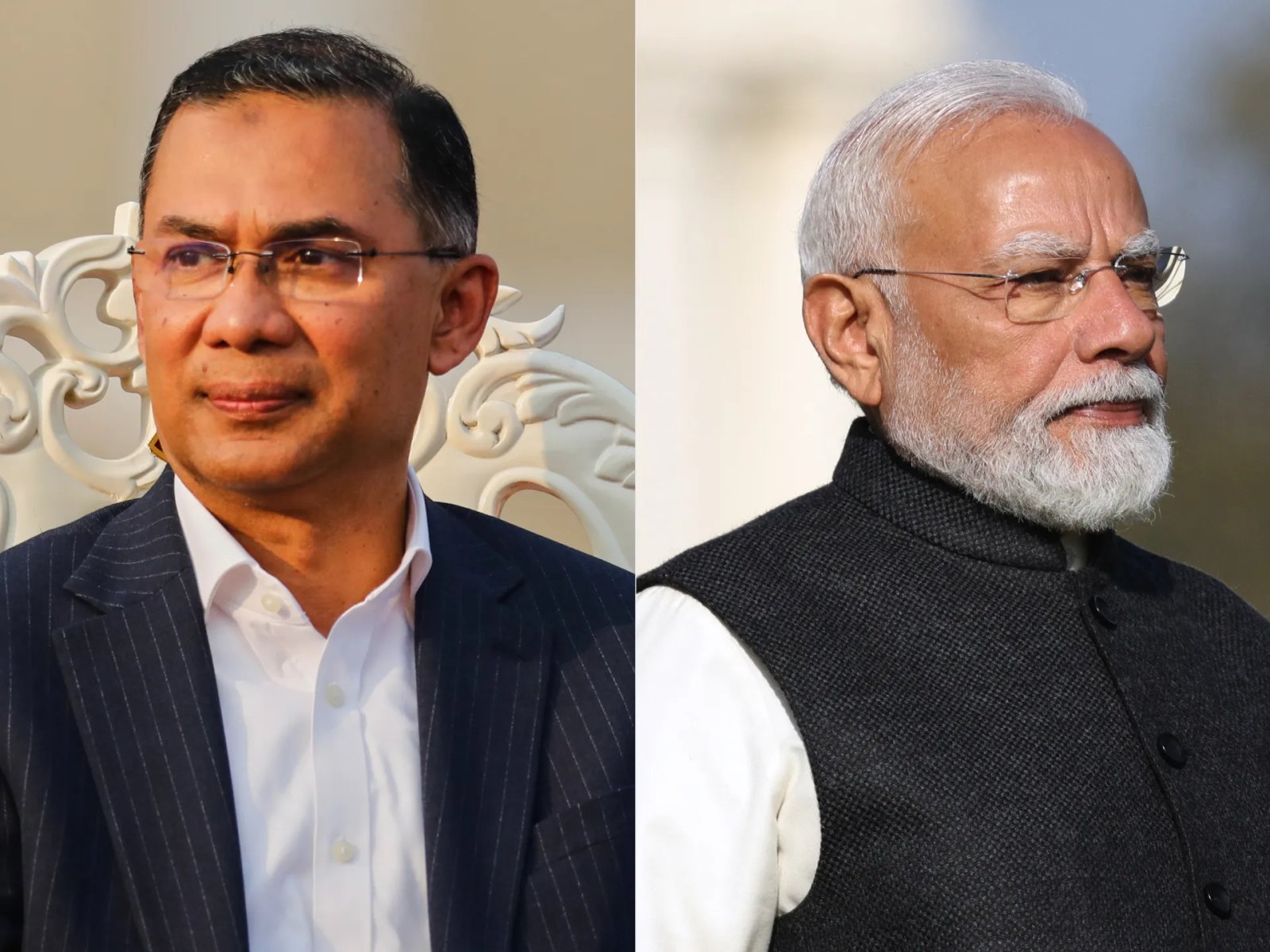
While the current administration led by Prime Minister Tarique Rahman has formally requested the extradition of Hasina and other fugitives, analysts suggest that the immediate diplomatic stalemate is not solely about legal handover protocols.
Faisal Mahmud, a former press minister at the Bangladesh High Commission in New Delhi, argues that the primary grievance is the political platform India has afforded the former leader. “The stalemate between Bangladesh and India stems largely from New Delhi giving Sheikh Hasina a literal megaphone while she remains in exile there,” Mahmud noted. He emphasized that while extradition is a complex, long-term legal process, the more pressing issue for Dhaka is the restriction of Hasina’s ability to conduct political activities from sovereign Indian soil.
This concern is not new. During an April 2025 meeting with Indian Prime Minister Narendra Modi, Nobel laureate Muhammad Yunus, then heading the interim administration, explicitly urged New Delhi to prevent Hasina from delivering what he described as “incendiary statements.”
The Extradition Dilemma
The Bangladeshi government remains firm in its demand for the return of individuals accused of grave crimes, including those linked to the 2025 murder of activist Sharif Osman Hadi. However, the path to extradition is fraught with legal and political obstacles. India’s Ministry of External Affairs has maintained that all requests are being reviewed under “established procedures,” though experts note that the 2013 extradition treaty provides specific grounds under which such requests can be denied.
Some observers, including veteran political analyst David Bergman, suggest that the diplomatic theater may be more nuanced than it appears. “Bangladesh demands extradition knowing that the Indian government will never extradite Hasina,” Bergman said, suggesting that while the government plays to public sentiment, it may also be wary of the internal instability her return could trigger, given her death sentence and the complex legal aftermath.
Navigating Structural Realities
Despite the current friction, both nations remain tethered by geography and economic necessity. With a 4,096km (2,546-mile) border and over $12 billion in annual trade, a total decoupling is viewed as an impossibility.
“Geography is an immutable factor in geopolitics,” said former Indian High Commissioner Pinak Ranjan Chakravarty. “It binds India and Bangladesh in a manner that cannot be ignored by policymakers.”
This structural dependence explains why, despite the public tensions and the last-minute cancellation of a planned visit by PM Rahman, both sides continue to keep lines of communication open. For India, maintaining a stable relationship with its neighbor is a cornerstone of its eastern connectivity and security strategy. For Bangladesh, balancing sovereign authority with the need for functional regional cooperation remains the ultimate test of statecraft.
As both capitals seek a face-saving exit from this hasina spat, the central question remains: what level of political containment can New Delhi offer to allow the Rahman government to normalize high-level engagement without appearing to concede its national interests? For now, the “propitious environment” required for a high-level summit remains elusive.