









The Intersection of Generative Tools and Game Asset Production
The gaming industry is currently navigating a period of significant transition regarding the adoption of artificial intelligence in artistic workflows. As studios strive to meet the increasing demand for high-fidelity content, the integration of automated generation tools has become a focal point of intense scrutiny. The recent controversy surrounding Battlefield 6 and its Season 5 cosmetic assets highlights the friction between development efficiency and community expectations for high-quality, handcrafted design. When users identify inconsistencies—such as nonsensical character text or anomalous weapon configurations—the immediate assumption among many fans is that the studio has prioritized speed over human oversight.
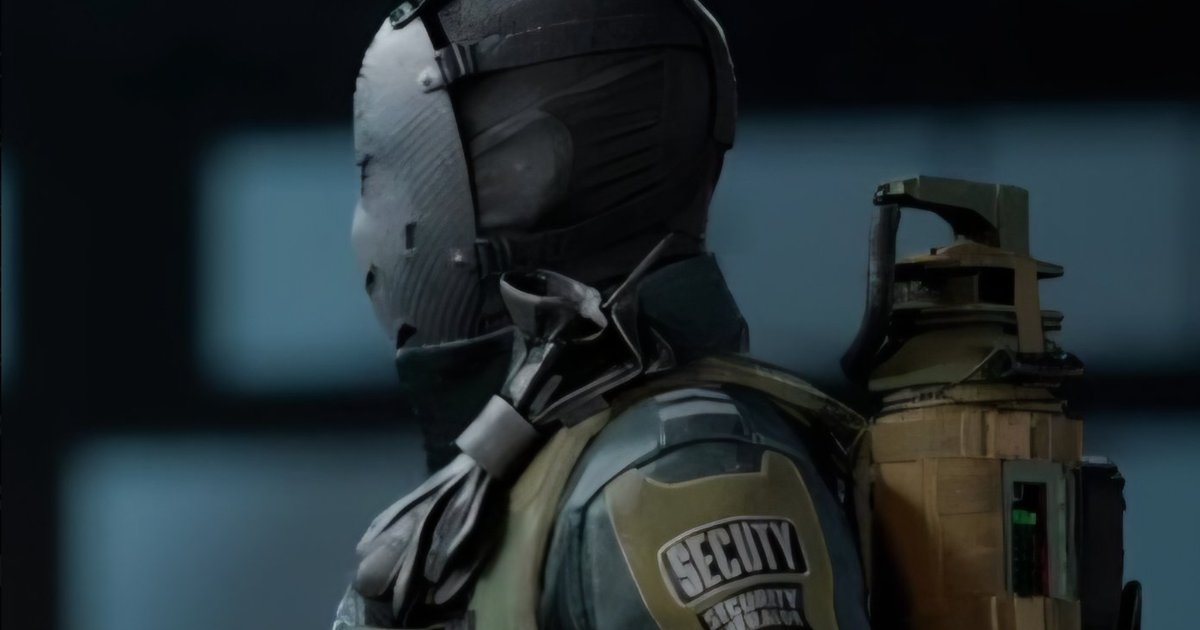
The appearance of the word “Secuty” on a character uniform acted as a catalyst for this broader debate. In a production environment, traditional design pipelines involve multiple layers of review, including texture artists, art leads, and quality assurance testers. The failure to catch a glaring typographic error suggests either a breakdown in the established quality control pipeline or the implementation of an automated process that lacks the semantic awareness of human designers. While Battlefield Studios has not confirmed the use of generative models, the incident underscores the vulnerability of modern live-service games to technical glitches that can be perceived as signs of declining human craftsmanship.
Distinguishing Between Intentional Design and Visual Anomalies
A central theme in the recent communication from Battlefield Studios is the necessity of distinguishing between creative experimentation and accidental oversight. While the misspelled text on the McNeil character skin was acknowledged as a genuine error, the studio defended the presence of multiple pistols on the Midnight Mirage skin as a deliberate stylistic decision. By positioning this design choice as an homage to hyper-stylized action cinema, the development team attempted to reframe a perceived technical anomaly into a conscious creative concept.
This distinction is vital for studios managing massive multiplayer ecosystems. When an artistic choice is interpreted by the player base as a result of a lazy, automated process, it can severely diminish the perceived value of the product. The studio’s admission that these items were released simultaneously with visual errors only served to complicate the narrative. By grouping a legitimate bug with an intentional, albeit unconventional, design choice, the studio faced an uphill battle in convincing players that their creative intent remained centered on human-led quality. Moving forward, the industry must find better ways to signal intent for experimental designs to avoid this specific type of community backlash.
The Impact of Transparency on Player Trust
One of the most significant challenges for development studios in the current era is maintaining transparency during the update cycle. In the case of Battlefield 6, the studio noted that failing to acknowledge a visual bug before it reaches the player base creates a vacuum where speculation thrives. When players encounter a mistake, their subsequent investigation into the source of that error often leads to negative assumptions about the developer’s commitment to quality.
The studio has acknowledged this erosion of trust and has promised a review of its communication strategies. Effective communication in this context means acknowledging known bugs before players discover them, rather than waiting for public pressure to initiate a response. By proactively flagging minor assets that may be undergoing visual refinement or experimental testing, developers can bridge the gap between their complex, multi-stage release schedules and the user’s expectation of immediate polish. Maintaining this trust is essential for live-service models, where player retention is heavily dependent on the perceived integrity of the game’s evolving world.
Technical Debt and Quality Assurance in Live-Service Models
The Battlefield 6 Season 5 update serves as a case study in the risks associated with rapid deployment. Modern games are living systems, frequently updated with new assets, balancing tweaks, and content drops. Each update increases the complexity of the project, often leading to technical debt where the speed of content production outpaces the capacity of human quality assurance teams. Whether or not AI tools are involved, the pressure to maintain a steady stream of content leads to situations where small, glaring errors can slip through the cracks of the testing phase.
The resolution of the “Secuty” error involves a planned correction update. While this ensures that the specific issue will be rectified, it also highlights the limitations of the current content delivery system. The goal for large-scale studios must be to improve automated testing frameworks so that issues such as character texture errors are caught during the build process, long before they hit the live servers. By refining these backend technical workflows, developers can minimize the occurrence of anomalies that disrupt the immersion of the player experience, regardless of whether the initial asset was created through manual sculpting or automated generation.
Future Outlook for Artistic Integrity in Gaming
As technology continues to influence the aesthetic development of games, the industry is entering an era where human oversight will be more critical than ever. The backlash against potentially AI-generated assets is rooted in the belief that video games are premium products that should reflect the vision and dedication of the artists behind them. If generative technology is to be successfully integrated, it must be used as a supplementary tool for efficiency, not as a replacement for the final layer of human refinement that gives a game its personality and cultural weight.
The recent events surrounding Battlefield 6 serve as a warning for the entire industry. Players are increasingly attuned to the nuances of asset design and are vocal about their expectations for professional standards. Moving forward, the success of major titles will depend on a studio’s ability to balance technical efficiency with the high standards of visual polish that players have come to expect. Transparent communication, proactive bug reporting, and an unwavering commitment to human-centric design will remain the primary instruments for sustaining long-term player engagement and brand reputation.
Disclaimer: This content is auto-generated for informational purposes only.
Source: Read Original News