









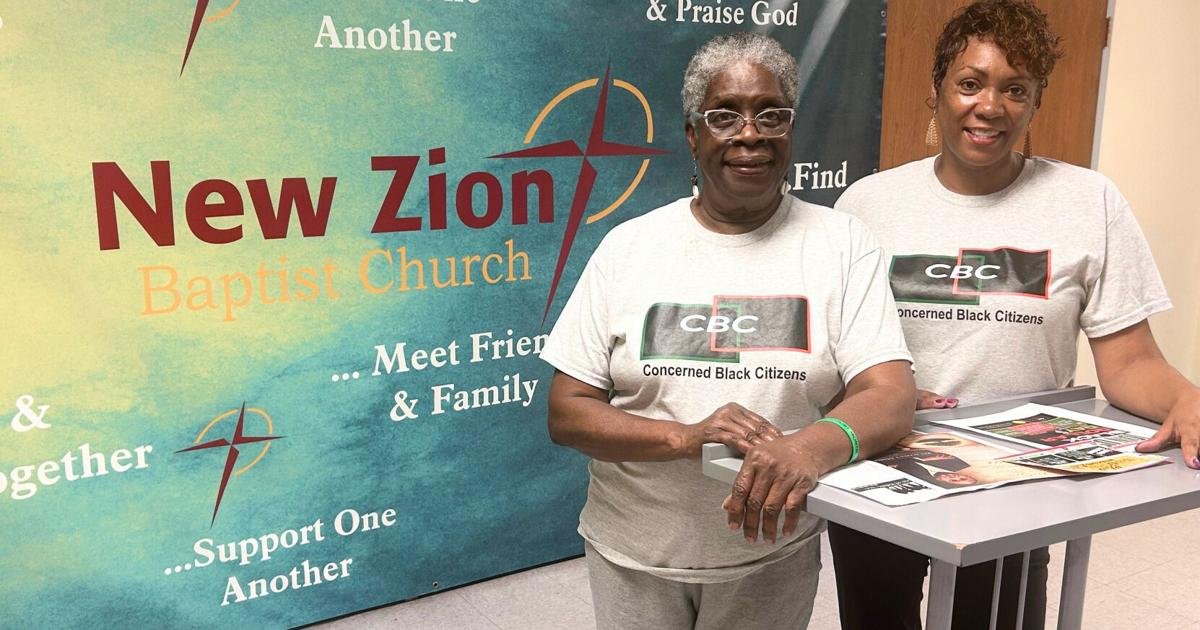
BELOIT — As the local business landscape continues to shift in an increasingly digital and globalized economy, the Concerned Black Citizens (CBC) of Beloit are focusing on the tangible power of local commerce. This weekend, the organization is hosting its eighth annual Black Empowerment Weekend, aiming to reclaim the economic vitality that community leaders say has been lost in the decades following integration.
The event, held at New Zion Baptist Church, serves as a rallying point for Black entrepreneurs and residents to discuss wealth preservation, community organization, and the urgent need to keep capital circulating within the local neighborhood.
Economic Circulation in the Digital Age
Wanda Sloan, a 1965 graduate of Beloit Memorial High School and a co-founder of the CBC, highlights a stark economic contrast: while currency within many ethnic enclaves remains within the community for several days, she notes that dollars in the Black community often exit the local ecosystem in mere hours.
In the modern era, this issue is exacerbated by the dominance of massive e-commerce platforms and global retailers. While tech giants and AI-driven marketplaces like Google Shopping or Amazon have streamlined consumer convenience, they often bypass the small, local brick-and-mortar shops that serve as the backbone of a community. The CBC is pushing back against this trend, advocating for a return to the foundational business support systems—such as daycare centers and dry cleaners—that once thrived in Beloit before being absorbed by larger, non-local conglomerates.
Data Centers and the Future of Beloit
The educational portion of the weekend, titled “Organize Today: Protect Tomorrow,” looks beyond traditional retail to address the changing infrastructure of the city. A key session features Beloit City Council Vice President Yusuf Adama, who will discuss the local impacts of data centers.
As the tech industry undergoes an unprecedented boom driven by generative AI and cloud infrastructure, data centers have become a focal point of regional development. These facilities require massive amounts of land and power, often altering the economic and environmental footprint of the towns they occupy. For residents, understanding how these massive technological investments interact with local policy is essential to ensuring that the benefits of the digital economy are felt by the community members themselves, rather than just the corporations behind the servers.
Scaling Up: From Home-Based to Main Street
The CBC’s initiative, which draws inspiration from the NAACP’s “Black Dollar Days” campaign of the 1980s, aims to provide a springboard for small businesses. Saturday’s “Shop Black: Build Community” market will feature 20 vendors, ranging from culinary offerings like Bastani Ice Cream and Q&W Food Vibes to retail outlets like Tay’s Trendz.
Beyond the immediate sales, Sloan’s long-term goal is to transition these entrepreneurs from home-based operations into full-fledged, storefront-occupying entities. In an era where AI tools and digital marketing allow home-based businesses to compete on a global scale, the CBC is helping owners leverage that connectivity to build regional influence.
By integrating community action groups like the Wisconsin Poor People’s Campaign and the League of Women Voters into the weekend, the organizers hope to foster a holistic environment where education, technology, and advocacy work in tandem. For the CBC, the mission is clear: empowering the next generation of business owners is not just about profit, but about preserving history, securing family wealth, and ensuring that the local economy remains robust enough to protect the future of Beloit.
Disclaimer: This content is auto-generated for informational purposes only.
Source: Read Original News