


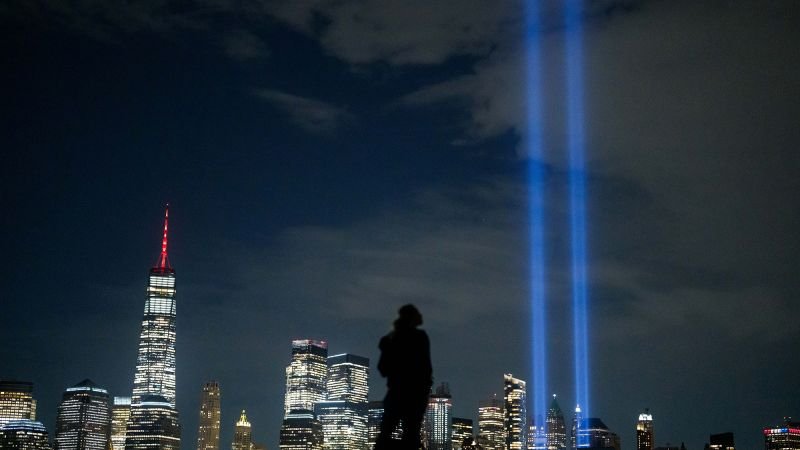
As the 25th anniversary of the September 11 attacks arrives, a significant shift is occurring in how the nation remembers that tragic day. More than 100 million Americans are now too young to have lived through the events of 2001, meaning a massive portion of the population is encountering the harrowing footage of the towers falling and the planes crashing for the very first time. However, unlike the viewers of two decades ago who experienced the tragedy through curated, responsible television broadcasts, today’s digital natives are accessing this history through the unpredictable lens of algorithmic social media feeds.
The Algorithmic Archive: History Meets Disinformation
Platforms like YouTube, TikTok, and X have become the primary libraries for Gen Z and younger Millennials seeking to understand 9/11. While these platforms host essential, raw historical documentation—such as the multi-perspective broadcasts of the first 18 minutes of the disaster—they lack the editorial gatekeepers that defined the news cycle in 2001.
On legacy television, editors made careful, ethical decisions about which images to show, such as refraining from broadcasting footage of those who perished jumping from the towers. Today’s digital landscape is far less restrained. Users searching for historical context are just as likely to encounter inflammatory conspiracy theories as they are to find factual records. The comments sections on these platforms frequently become hotbeds for misinformation, where unhinged, anonymous accounts exploit the anniversary to spread lies, thereby delegitimizing historical truths and distracting from the actual events of the day.
Search Trends and the Digital Curiosity Gap
The surge in interest is clearly reflected in Google Search data. Queries like “who were the hijackers” and “how many stairs did the firefighters climb” demonstrate a genuine desire among younger generations to learn about the tragedy. This presents a unique challenge—and opportunity—for major news organizations and platforms.
Tech giants and media companies are responding by resurfacing deep-dive documentaries and high-quality archival footage to ensure that those seeking answers find credible sources. For instance, platforms are prioritizing documentaries like “Turning Point: Generation 9/11” and original network coverage to provide the necessary context that a random 15-second social media clip cannot. Yet, even with these resources, the “information landscape” is vastly more fragmented than it was 25 years ago. The lack of context between a factual news clip and an AI-generated deepfake or a conspiracy theory creates a disorienting experience for viewers who have no personal memory of the original events.
The Psychological Toll of “TikTok History”
There is a growing concern regarding the psychological impact of digitizing trauma. When a national catastrophe is converted into “content” that loops endlessly on a smartphone screen, it fundamentally changes how history is processed.
In 2001, anchors like Peter Jennings and Tom Brokaw served as national counselors, guiding the country through the uncertainty with a sense of dignity and gravity. Today, that same content is subject to the whims of engagement-driven algorithms. As these visceral, traumatic images reach new audiences, we must grapple with the ethical implications of a world where one generation’s most painful memories become another generation’s scrollable, algorithmic entertainment. The challenge moving forward is ensuring that the digital archive remains a place of remembrance and education, rather than a space where the truth is permanently obscured by the chaotic noise of the internet.
Disclaimer: This content is auto-generated for informational purposes only.
Source: Read Original News