







Tel Aviv’s ongoing infrastructure expansion is facing a critical environmental challenge as city officials warn that rapid urban development may be compromising the city’s ability to manage flood risks. At the center of the controversy is a municipal reservoir designed to mitigate overflow, which experts now fear is dangerously under-equipped for the realities of climate change and shifting urban topography.
The concerns stem primarily from extensive rail construction projects currently underway along the Ayalon Canal. As the city’s primary artery for drainage and flood management, the canal is intended to channel excess rainwater away from the dense urban core and toward the Mediterranean Sea. However, municipal planners and environmental engineers have raised alarms that the ongoing rail expansion is narrowing the canal’s channel, potentially constricting its capacity to handle the heavy rainfall events that have become increasingly common due to shifting climate patterns.
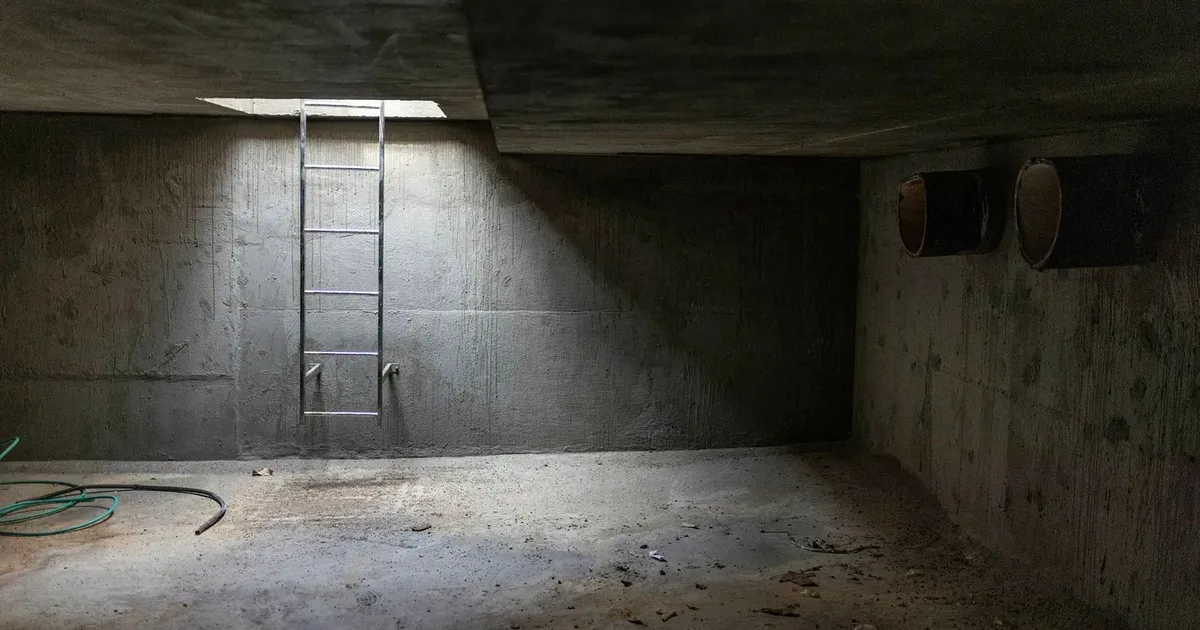
The reservoir in question, strategically located in an area identified as highly vulnerable to flooding, was intended to act as a safety valve. By holding excess water during peak storm surges, it was designed to prevent the catastrophic inundation of lower-lying neighborhoods and critical transit infrastructure. Yet, as rail infrastructure occupies more land near the waterway, the surrounding buffer zones meant to absorb overflow are shrinking. The municipality fears that if the Ayalon Canal is constricted, the sheer volume of water during a 50-year or 100-year flood event will overwhelm the reservoir’s current capacity, forcing water back into the city’s streets.
This tension between transit modernization and flood resilience highlights a growing conflict in urban planning. Tel Aviv, like many coastal cities, faces a dual pressure: the urgent need to expand its public transportation network to accommodate a burgeoning population, and the existential threat posed by rising sea levels and intensified precipitation. Critics of the current construction trajectory argue that the project prioritizing rail lines has not adequately integrated hydraulic modeling that accounts for the narrowed canal path.
“The integrity of the Ayalon drainage system is non-negotiable,” said a source close to the municipal planning department. “When you narrow an artery that is already strained during peak winter months, you are essentially reducing the margin of error for the entire city. If the reservoir becomes a bottleneck rather than a relief valve, the downstream consequences for infrastructure and public safety could be severe.”
The Israel Railways authority and the Ministry of Transportation have maintained that the rail expansion includes necessary environmental safeguards, including drainage upgrades designed to compensate for the reduction in canal width. However, independent hydrologists remain skeptical. They point out that urban density increases the amount of non-permeable surfaces, such as asphalt and concrete, which prevents soil from absorbing water naturally and accelerates the rate at which runoff reaches the canal. Without the natural “sponginess” of the surrounding land, the canal becomes the only path for massive quantities of water. If that path is physically constricted, the velocity and height of the water will inevitably rise.
As climate models project that winter storms in the region will become both more frequent and more intense, the city’s reliance on the reservoir is expected to grow. Municipal authorities are now calling for a comprehensive reassessment of the rail corridor’s impact on flood management. They are advocating for a more integrated approach that prioritizes “nature-based” solutions, such as creating green corridors or expanded catchment basins, to complement the rigid infrastructure of the canal.
For now, the project remains at a crossroads. As construction continues, the city waits to see whether the engineering adjustments proposed by transit authorities will be sufficient to withstand the next major storm. The situation serves as a stark reminder that in an era of climate volatility, major infrastructure projects can no longer be viewed in isolation; every modification to a city’s landscape has a cascading effect on its environmental resilience.
Disclaimer: This content is auto-generated for informational purposes only.
Source: Read Original News