






Citi’s Viswas Raghavan Urges India to Embrace AI to Maintain Global Competitiveness
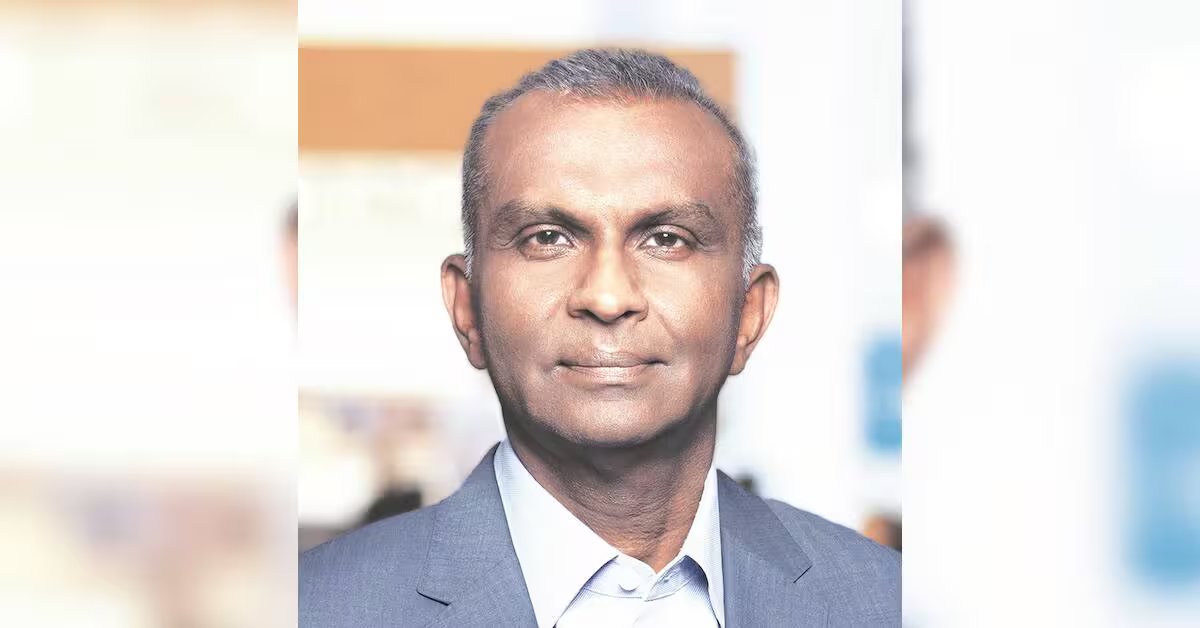
India stands at a critical juncture where it must aggressively integrate Artificial Intelligence (AI) into its economic framework to avoid obsolescence, according to Viswas Raghavan, a top executive at Citi. As the head of the bank’s global corporate, commercial, and investment banking operations, Raghavan believes that while India might experience temporary gains from capital inflows, the long-term imperative lies in becoming a central player in the global AI ecosystem.
In a recent interview, Raghavan emphasized that ignoring the rapid evolution of AI would be a strategic error for any major economy. “AI is real, ignoring it is at your peril,” he remarked, noting that the technology is poised to fundamentally overhaul how businesses operate, how economies function, and how consumers interact with the market. While the United States and China currently dominate the AI landscape, Raghavan argued that India has a unique opportunity to leverage its massive services sector to bridge the gap and strengthen its international standing. Rather than viewing the rise of AI as a threat to its established IT services model, India must proactively adopt these tools to remain competitive on the world stage.
Expanding Horizons: The Case for Strategic M&A
Beyond the digital transformation, Raghavan highlighted a burgeoning opportunity for Indian corporations to expand their global footprint through strategic mergers and acquisitions (M&A). With valuations in Europe experiencing a downturn, he sees an ideal window for well-capitalized Indian firms to acquire established global brands and specialized capabilities.
“Some excellent companies are trading at relatively attractive valuations, presenting an opportunity for Indian businesses to acquire established global brands,” Raghavan observed. Backed by robust domestic demand and healthy corporate balance sheets, Indian firms are increasingly positioned to pivot from local players to global powerhouses, utilizing this window to secure assets that would have otherwise remained out of reach.
A Robust IPO Pipeline and Capital Market Momentum
Looking at the domestic financial sector, Raghavan remains bullish on the vitality of India’s capital markets. Despite broader global uncertainties, the IPO pipeline remains exceptionally strong. Citi, which currently commands a 13 percent market share in Indian transaction activities, expects this momentum to carry through the coming years.
The current mandate pipeline includes seven to eight significant offerings—each valued at $1 billion or more—with several more expected to follow. While many of these transactions are slated for 2027 and 2028, Raghavan anticipates that India’s annual capital-market activity, which hovers around the $50-billion mark, will sustain its pace through a mix of IPOs, block deals, and secondary offerings, provided that valuations stay within reasonable, investor-friendly bounds.
Refining the Investment Proposition
Regarding the perennial topic of foreign portfolio investment (FPI), Raghavan offered a nuanced perspective for policymakers. He argued that while favorable tax regimes are helpful, they are not the sole driver of international capital. For India to continue attracting large-scale investment, it must focus on its holistic “investment proposition.” According to Raghavan, global investors are looking for deeper structural reliability, market maturity, and long-term stability rather than short-term fiscal incentives.
By focusing on institutional strength and embracing technological shifts like AI, India can solidify its position as a top-tier destination for global capital, ensuring that its economic growth is both sustainable and technologically resilient.
Disclaimer: This content is auto-generated for informational purposes only.
Source: Read Original News