








India’s Uniform Civil Code: A Nation at the Crossroads of Tradition and Reform
On a humid evening in Dehradun, 34-year-old Razia Ahmed reflects on a life that is no longer defined by the heritage she inherited. Eighteen months have passed since Uttarakhand became the first Indian state to implement a Uniform Civil Code (UCC), effectively dismantling the long-standing personal laws that governed marriage, divorce, and inheritance for the state’s 12 million residents. For Razia, the transition has been deeply personal, challenging the rituals that she once believed were inseparable from her identity.
A Divide in Perspectives: Liberation vs. Erasure
The introduction of the UCC has sparked a fierce national debate, pitting the promise of modern gender equality against the fears of cultural erosion. For many, the legal shift represents a long-awaited move toward progress. Ayesha Siddiqui, a 28-year-old single mother, views the code as a vital correction. Having previously suffered the consequences of instant, extra-judicial divorce, Siddiqui sees the UCC as a safeguard that ensures her daughter will grow up with equal inheritance rights and legal protections that were previously inconsistent or unavailable under religious personal laws.
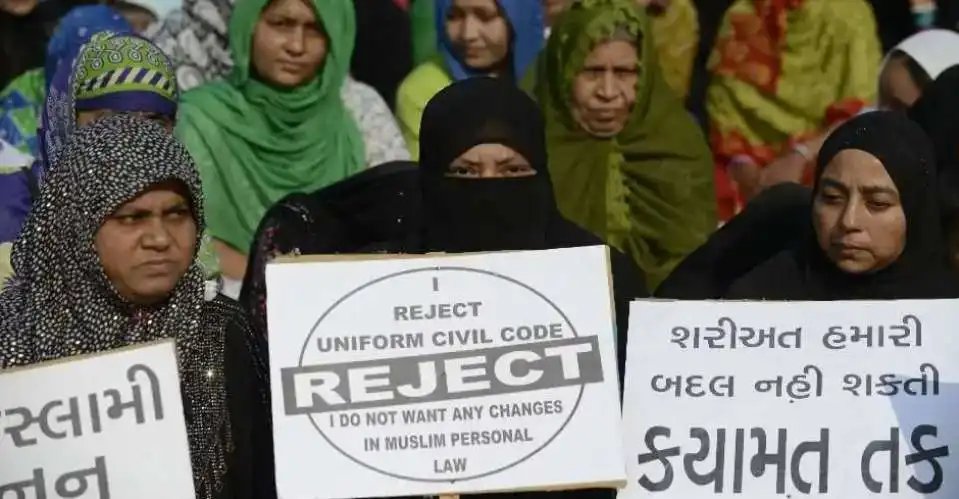
Conversely, others perceive the law as a direct threat to the pluralistic fabric of Indian society. Among local communities, there is a pervasive sense of grief and uncertainty. Mohammed Shafiq, a retired educator, speaks for many who feel that centuries of custom are being delegitimized. To these critics, the law is not just a regulatory mechanism but an attempt to standardize an identity that has historically thrived on its religious and cultural variety.
Political Ambitions and Practical Challenges
The Bharatiya Janata Party (BJP) has championed the UCC as a cornerstone of its national agenda. With similar measures already enacted in states like Assam and Madhya Pradesh, the federal government appears committed to a nationwide expansion by 2029. Proponents argue that the move aligns India with global standards of gender justice and national unity.
However, the practical implementation has been far from seamless. Legal practitioners report a surge in caseloads as citizens grapple with the complexities of the new framework. Families are frequently caught in a state of confusion, questioning whether their past marriages remain valid or how their property rights will be reconfigured under the new mandate.
The Question of Diversity
Critics of the policy, including academics and human rights advocates, warn that replacing diverse personal laws with a single model could alienate India’s minority populations, who comprise nearly 20 percent of the nation. Professor S. Devasahayam of the All India Professionals’ Congress argues that India’s strength lies in its complexity. He suggests that forced uniformity often invites friction, whereas a truly equitable system would require transparent, broad-based consultation.
Furthermore, religious leaders and activists have raised concerns about the selective nature of these reforms. Some argue that true legal uniformity would require addressing existing economic privileges, such as the Hindu Undivided Family (HUF) tax benefits, before enforcing broader changes on minority communities. As activist Father Cedric Prakash notes, the government’s focus should be on upholding the constitutional rights and autonomy of all communities rather than imposing a single, narrow standard.
An Uncertain Future
As the UCC gains momentum, a lingering anxiety remains in the historic backstreets of cities like Lucknow and Dehradun. For young people like college student Sana Khan, the question is not just about the law itself, but about the future of individual autonomy: “What will they change next?”
For now, citizens like Razia Ahmed are choosing to adapt, navigating a reality where the legal landscape has shifted beneath their feet. While she clings to her identity, she remains hopeful that the law can eventually expand its scope to accommodate the diverse stories that make up the Indian experience. Whether the UCC will act as a bridge to national unity or a source of persistent social division remains the defining question of India’s contemporary legal evolution.
Disclaimer: This content is auto-generated for informational purposes only.
Source: Read Original News