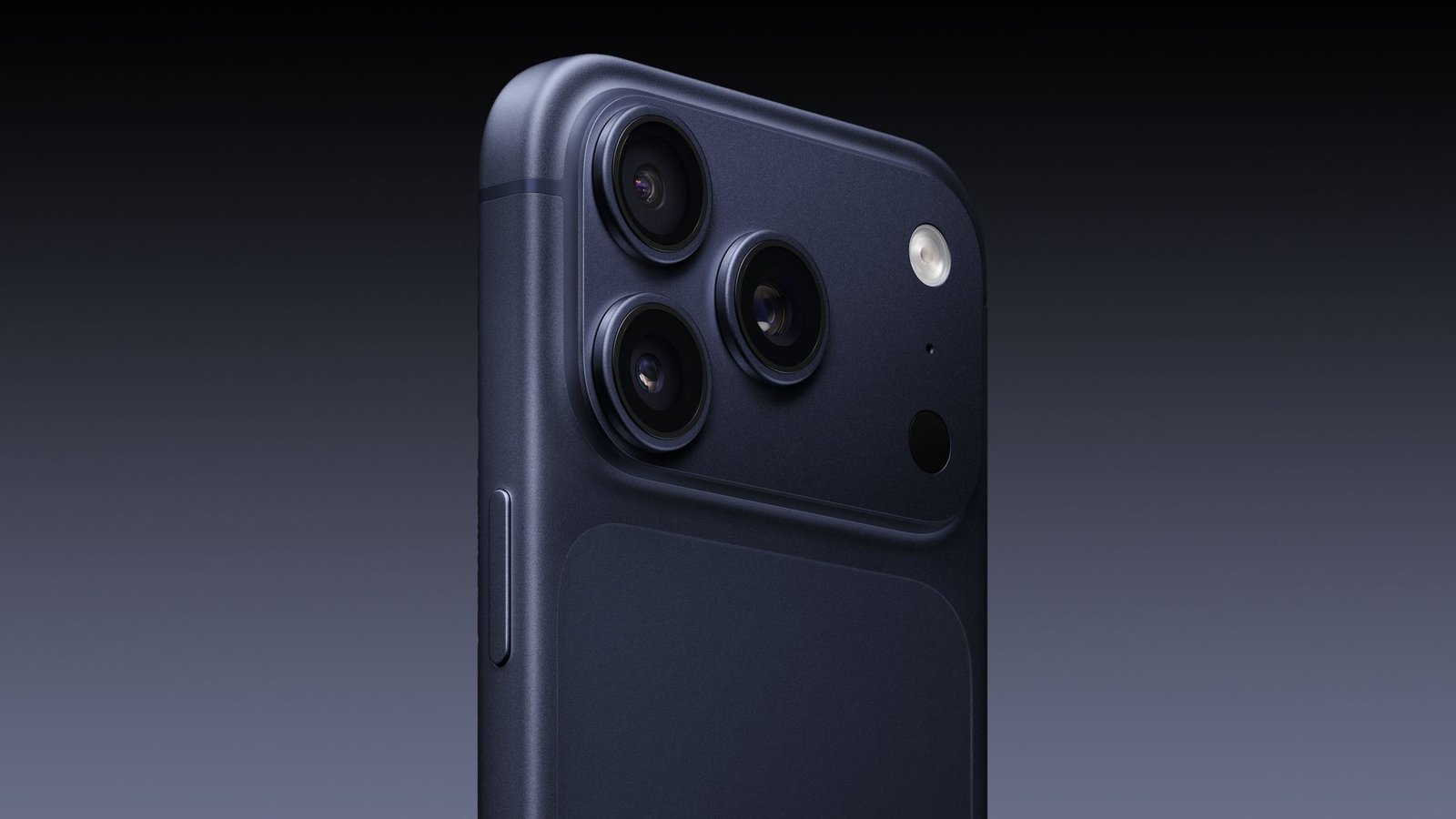









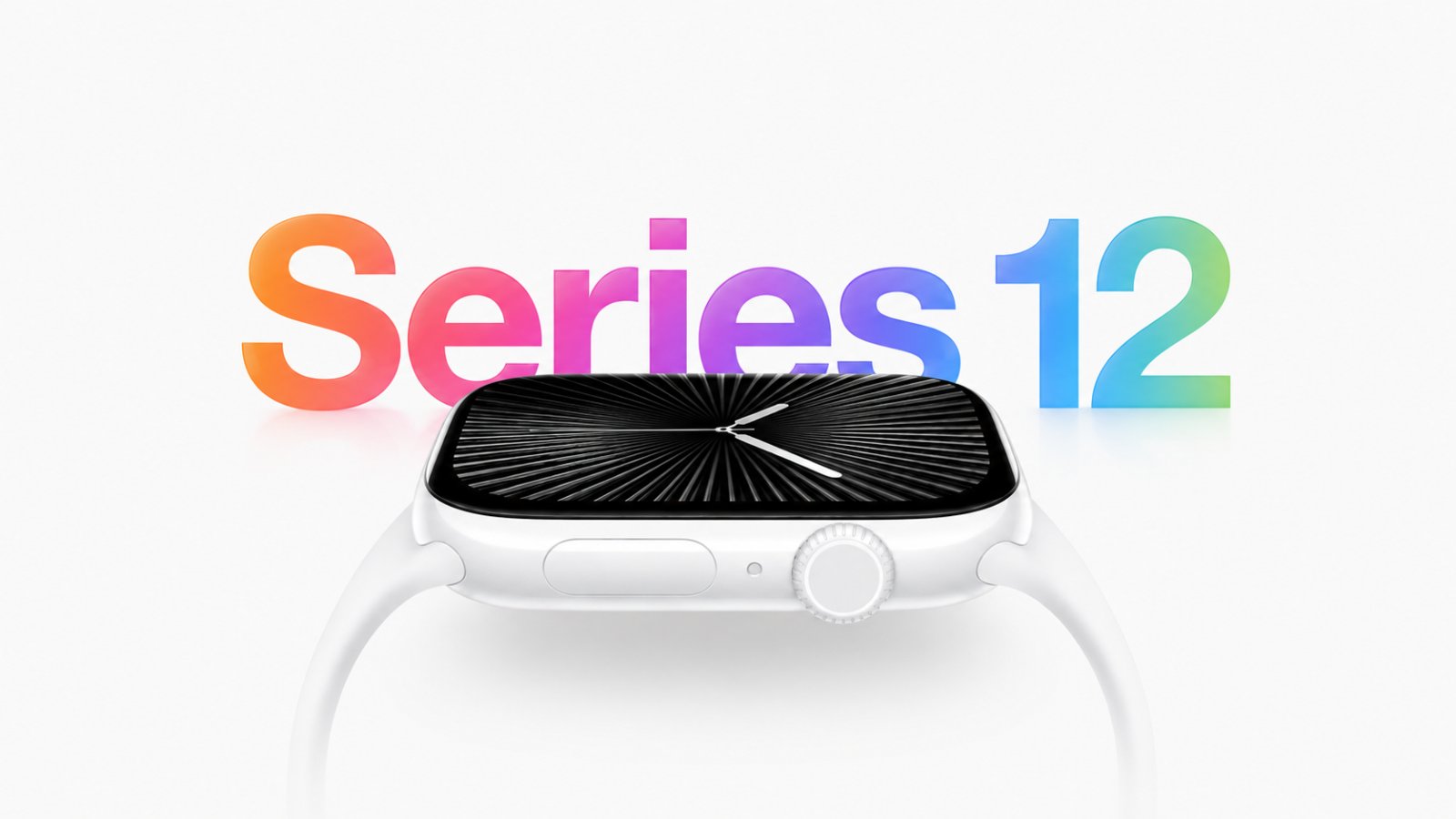
As the technology industry anticipates the upcoming reveal of the Apple Watch Series 12 and Apple Watch Ultra 4, recent discoveries within the watchOS 27 and iOS 27 beta code have provided a detailed preview of what to expect from the new hardware. The findings suggest that while the exterior design of these devices may remain consistent with their predecessors, the internal architecture and software capabilities are receiving a significant upgrade focused on health analytics and data capacity.
The Introduction of a Dedicated Readiness App
One of the most notable software additions identified in the latest beta files is a standalone application titled Readiness. While the Apple Watch currently features a Vitals app, which provides users with insights into their overnight metrics, the inclusion of a dedicated Readiness app signals a shift toward a more comprehensive recovery ecosystem.
The placement of this app within the default home screen layout, specifically adjacent to the Workout app, implies that Apple intends for this to be a core utility for daily use. This suggests a move toward providing users with a calculated readiness score, a feature currently found in various specialized fitness trackers. By aggregating data points such as sleep quality, heart rate variability, and previous activity intensity, the Readiness app will likely provide actionable guidance on whether a user should push their physical limits or prioritize recovery, effectively bridging the gap between general wellness monitoring and performance training.
Advanced Strength Training Infrastructure
Beyond high-level wellness metrics, Apple appears to be making a concerted effort to cater to strength athletes. New code references indicate that the watchOS 27 update will introduce a more robust health infrastructure capable of tracking the granular details of strength workouts.
Previously, Apple Watch users were limited in how they could log resistance training, often requiring third-party applications to manage specific set and repetition data. The new system is designed to store metadata for individual sets, including exact repetition counts, total weight lifted, equipment types, and even specific body-side metrics. By tracking which side of the body a user is focusing on and the duration of each rest period, the watch will offer a more analytical view of muscular progress over time. This update represents a shift in philosophy, moving the Apple Watch from a generic activity tracker to a serious companion for structured, data-driven weightlifting and strength protocols.
Next-Generation Optical Sensing Hardware
Hardware improvements are also on the horizon, with the discovery of a new sensor family referred to internally as Sunstone4p0. This sensor suite is expected to feature a lower noise coefficient, which is critical for accurate physiological monitoring. In optical heart-rate sensing, signal interference—often caused by movement, sweat, or suboptimal fit—remains the primary obstacle to precision.
The Sunstone4p0 system specifically addresses these challenges through improved pulse signal reflection technology. The code reveals a logic system for wrist- and orientation-based channel selection, suggesting that the watch will be able to dynamically adjust its sensor array based on how the device is positioned on the user’s arm. Whether a user is engaged in high-intensity interval training or stationary recovery, the sensors will be able to switch between different channels to ensure the most reliable reading possible. This refinement will be particularly beneficial for users with darker skin tones or those who wear their watches in unconventional positions, as it reduces the dependency on a perfect, static seal between the sensor and the skin.
Expansion to 128GB of Internal Storage
For many users, the storage limitations of smartwatches have restricted the utility of features like offline music playback, large app libraries, and local storage of workout data. The latest findings linked to the T8320 chip suggest that the Series 12 and Ultra 4 will support up to 128GB of internal NAND storage.
This represents a doubling of the capacity found in previous flagship models, which topped out at 64GB. The impact of this change is twofold. First, it allows for significantly larger collections of high-fidelity music and podcasts for phone-free workouts. Second, as the device becomes more autonomous through advanced watchOS features, developers are likely to create more complex, data-heavy applications that require more than the current standard of space. By increasing the storage ceiling, Apple is effectively future-proofing the watch, ensuring that it remains performant even as applications and local health databases continue to grow in size and complexity.
Looking Toward a Connected Future
These updates, taken collectively, illustrate a strategy that prioritizes the longevity and utility of the Apple Watch as a medical and athletic tool. By focusing on recovery metrics, strength-specific data, and higher-fidelity sensors, Apple is ensuring that the Series 12 and Ultra 4 serve as meaningful upgrades for power users.
As the ecosystem becomes more capable, the boundary between consumer-grade wearable technology and professional medical equipment continues to blur. The move toward 128GB of storage and more sensitive optical hardware positions these devices to handle more complex processing tasks, potentially paving the way for on-device machine learning models that analyze health trends locally, further enhancing user privacy and performance. With the official announcement imminent, these code-level revelations provide a clear indication that the next generation of Apple’s wearable lineup will be defined by its analytical depth and hardware resilience.
Disclaimer: This content is auto-generated for informational purposes only.
Source: Read Original News